 Save
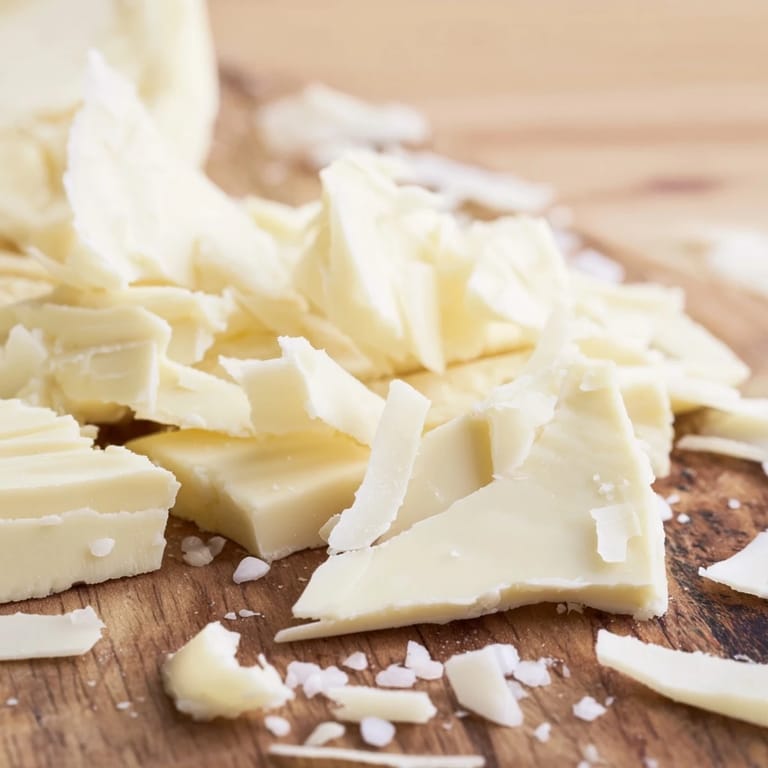
Save I first made this while standing in my kitchen on a grey winter afternoon, staring at a block of white chocolate and wondering what would happen if I treated it like glass. The idea came from nowhere—a combination of restlessness and leftover Parmigiano-Reggiano that felt too good to waste on pasta. I spread that chocolate thin, chilled it, and when I broke it into shards, something clicked. It looked like the frozen landscape I'd been daydreaming about, but tasted like the sweet and savory collision I didn't know I needed.
I remember bringing this to a dinner party where everyone expected traditional dessert, and the moment I set that wooden board down, the room went quiet. Someone actually said it looked like edible art, and I watched people debate whether to eat it or photograph it first. That's when I knew this recipe was something special—not because it was complicated, but because it felt like I'd given them permission to play with their food again.
Ingredients
- White Chocolate (250 g, high-quality): This is everything—cheap chocolate will seize, crack, or taste waxy when it sets. Splurge on something with real cocoa butter; your palate will notice the difference the moment it melts on your tongue.
- Coconut Oil (1 tsp, optional): A tiny amount loosens the chocolate just enough to spread thinner without burning it, plus it adds a subtle sheen that mimics actual ice.
- Parmigiano-Reggiano (60 g, block form): Pre-grated cheese has anti-caking agents that make shards crumbly and weak; a real block peels into elegant, structural pieces that stay crisp.
- Flaky Sea Salt: Finish with something coarse and mineral—it's the unexpected punctuation mark that makes people lean in and ask what they're tasting.
- Light Wood Serving Board: Not just for looks; wood stays slightly warmer than ceramic, so the chocolate doesn't shatter when you plate it hot.
Tired of Takeout? 🥡
Get 10 meals you can make faster than delivery arrives. Seriously.
One email. No spam. Unsubscribe anytime.
Instructions
- Prepare Your Canvas:
- Line a baking sheet with parchment paper and set it somewhere cool—a clear counter space away from sunlight works best. This small setup makes the whole process feel intentional, not rushed.
- Melt with Intention:
- Use a double boiler if you have the time; it's forgiving and won't let the chocolate burn. If you're using a microwave, go in 20-second bursts, stirring between each one—the chocolate will look like it's barely melting, then suddenly it'll be glossy and smooth. Stir in your coconut oil now if you're using it.
- Spread Like Glass:
- Pour the chocolate onto parchment and use an offset spatula to spread it thin, about 2 mm thick—aim for something you can almost see light through. Work quickly but gently; this is where patience pays off. Uneven thickness is fine; it adds to the natural, shattered-ice aesthetic.
- Chill and Wait:
- Slide it into the refrigerator for 20 minutes. This is your break time—make tea, check your messages, or just breathe.
- Create the Shards:
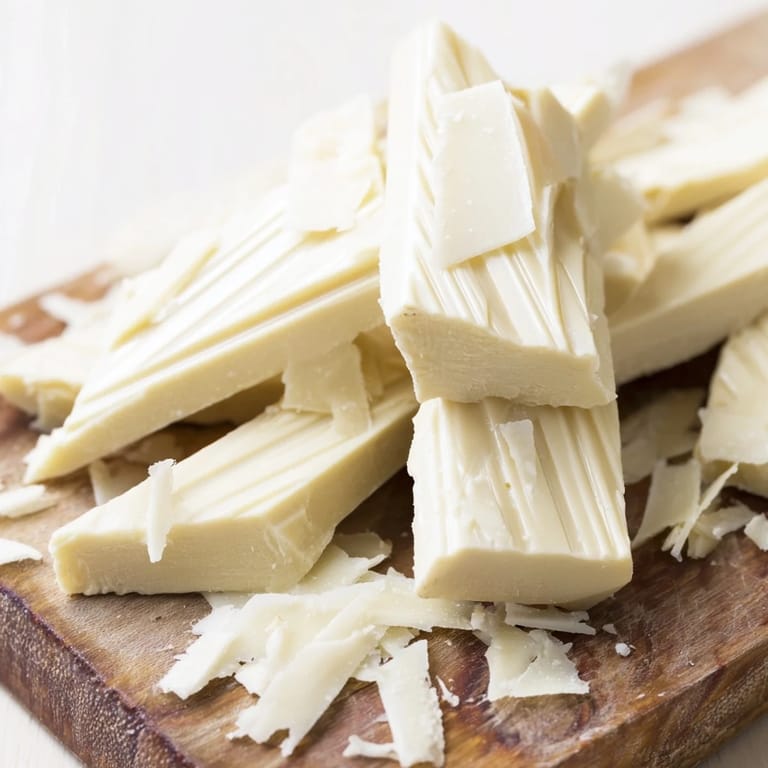
- While the chocolate chills, grab your Parmigiano-Reggiano block and a vegetable peeler or sharp knife. Shave thin, irregular pieces—they should bend slightly and catch the light like real ice. If you find yourself tasting one, that's normal.
- Break It Like Nature:
- Once the chocolate is set, carefully peel it back from the parchment and break it by hand into large, jagged pieces. Some will be delicate, some thick—that randomness is the whole point. You're creating an edible landscape, not a puzzle.
- Compose and Serve:
- Arrange the chocolate sheets on your chilled wooden board, scatter the parmesan shards around and on top, then finish with a light sprinkle of sea salt. Serve right away so the textures stay distinct and dramatic.
 Save
Save There was a moment during that dinner party when my friend who never touches dessert actually went back for seconds. She said it wasn't sweet in a cloying way, that the salt and cheese made her want to keep tasting. That's when I realized this recipe isn't really about being fancy or difficult—it's about trusting that contrast and simplicity are their own kind of magic.
The Sweet and Savory Philosophy
Too many desserts stop at sugar, but the best ones whisper something salty back. This recipe leans into that conversation between creamy chocolate and sharp umami from the cheese. It's the same impulse that makes sea salt caramel work, or chocolate-covered potato chips addictive—your taste buds light up when they're not sure what to expect. Serve this after something rich or heavy, and it feels refreshing. Serve it after something light, and it feels indulgent.
Texture, Temperature, and Timing
Everything here is about contrast—warm hands breaking cold chocolate, crisp parmesan on smooth white chocolate, salty edges cutting through richness. That's why serving it quickly matters; once things start warming or softening, you lose those snaps and clicks that make eating this feel like an experience. The board matters too. Wood insulates better than ceramic, so the chocolate stays properly chilled while still being gentle enough to slice through with a fork.
Make It Your Own
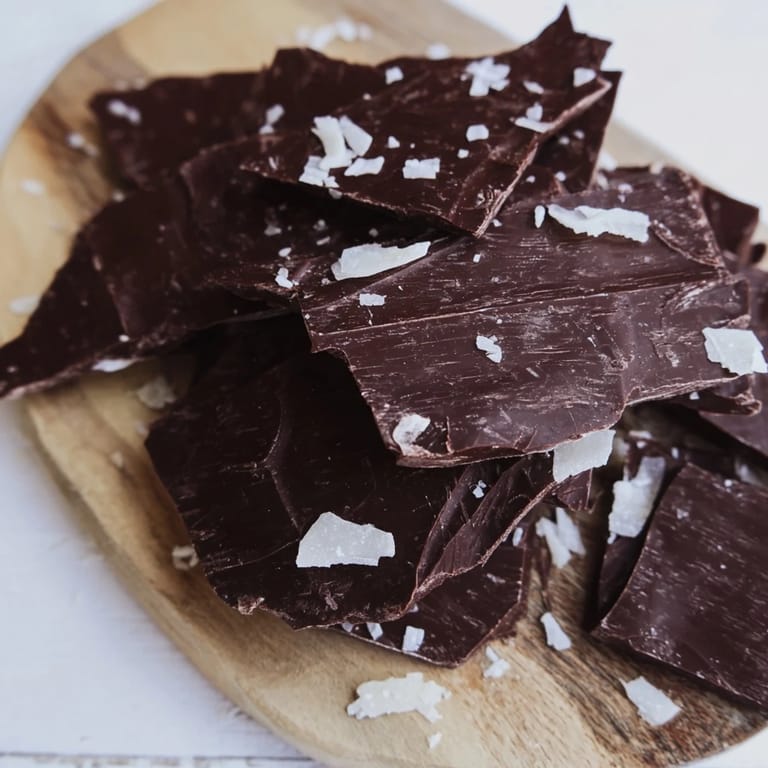
This is a framework, not a rule book. I've made versions with dark chocolate for earthier bitterness, swapped the parmesan for aged cheddar shards when I wanted something different, and once added a tiny scatter of microgreens just to see if it worked. The bones of the recipe stay the same—chocolate, something savory, something salty—but the details are yours to play with.
- Try dark chocolate for a less sweet, more sophisticated bite that still sings with the parmesan.
- Add edible flowers or microgreens for a pop of color that looks intentional, not accidental.
- Pair it with a dry sparkling wine or chilled dessert wine to make the flavors even brighter and more memorable.
 Save
Save This recipe taught me that impressive food doesn't always mean complicated. Sometimes it's just about seeing potential in simple ingredients and trusting your instincts when something feels right. Make it once, then make it your way.
Recipe FAQs
- → How do I create the white chocolate ice sheets?
Melt white chocolate gently over a double boiler or in short microwave bursts, then pour thinly onto parchment and chill until set.
- → What’s the best way to make parmesan shards?
Use a vegetable peeler or sharp knife to shave thin, irregular shards directly from a block of Parmigiano-Reggiano.
- → Can I substitute the white chocolate for another type?
Yes, dark chocolate can be used for a richer flavor, altering the dessert’s balance subtly.
- → Why serve on a chilled wooden board?
Chilling the board enhances the dessert's crisp texture and strengthens the frozen landscape aesthetic.
- → What enhances the flavor balance in this dessert?
A light sprinkle of flaky sea salt complements the sweetness of white chocolate and sharpness of parmesan.
- → Are there pairing suggestions for this dessert?
It pairs beautifully with dry sparkling wines or chilled dessert wines to complement its textures and flavors.