 Save
Save The first time hojicha crossed my kitchen threshold, it was in a small tin my neighbor passed over the fence, still warm from her trip to Tokyo. She'd whispered something about roasted tea being different from green tea, more forgiving, with this wonderful toasted grain smell that made you think of autumn even in summer. That afternoon, I spent hours chasing that memory through a cake, and what emerged was this impossibly light sponge that somehow tasted like a quiet moment in a Japanese garden. Now whenever someone asks what makes this cake special, I tell them it's the hojicha, but really it's that feeling of discovering something that didn't exist in your kitchen five minutes before.
I baked this for my friend Maya's birthday last spring, and the moment she took that first bite, her whole face changed. She closed her eyes like she was remembering something, then told me it tasted exactly like the cafe near her university where she'd spent entire afternoons studying for exams. That's when I realized this cake does more than taste good, it carries stories with it, and somehow makes the people eating it feel a little more like themselves.
Ingredients
- Eggs (4 large, room temperature): Room temperature eggs whip into a stronger foam, which is your secret weapon for that cloud-like crumb, so pull them out of the fridge at least an hour before baking.
- Granulated sugar (120 g): This gets warmed over a water bath before whipping, which creates a more stable meringue that won't deflate when you fold in the flour.
- Cake flour (120 g, sifted): The lower protein content gives you that tender, almost delicate texture that defines a proper genoise.
- Hojicha powder (20 g for cake, 10 g for cream): Look for the real stuff in Japanese grocery stores or online, because the color and flavor are completely different from imitations.
- Unsalted butter (40 g, melted and cooled): Melted butter adds richness without the whipping step that would break down your carefully built foam, but it must be cool or it'll scramble the eggs.
- Whole milk (30 ml): This combines with the butter to create an emulsion that keeps the cake tender and prevents it from drying out.
- Fine sea salt (1/4 tsp): A pinch brings out the toasted notes in the hojicha and balances the sweetness beautifully.
- Heavy cream (300 ml, minimum 35% fat): Higher fat content whips faster and holds peaks longer, so don't grab the lightest option you see.
- Powdered sugar (40 g): This dissolves into the cream more completely than granulated sugar, giving you a smoother, silkier filling.
- Vanilla extract (1 tsp): A small amount adds warmth and depth without competing with the hojicha's smoky character.
Tired of Takeout? 🥡
Get 10 meals you can make faster than delivery arrives. Seriously.
One email. No spam. Unsubscribe anytime.
Instructions
- Set up your station:
- Preheat the oven to 170°C (340°F) and line your cake pan with parchment on the bottom only, leaving the sides ungreased so the cake can climb as it bakes. Have all your ingredients measured and at room temperature before you start, because once the eggs begin whisking, timing matters.
- Create the foam:
- Combine eggs and sugar in a heatproof bowl and set it over gently simmering water, whisking constantly until the mixture feels warm to your inner wrist (about 40°C). This step dissolves the sugar and starts creating tiny air bubbles that will eventually become your cake's structure.
- Whip to clouds:
- Remove the bowl from heat and beat on high speed with an electric mixer until the mixture is pale, thick, and has tripled in volume, about 7 minutes total. You'll know it's ready when the beaters leave trails that take a few seconds to disappear, then beat for one more minute on reduced speed to stabilize it.
- Fold in the hojicha flour:
- Sift together the cake flour, hojicha powder, and salt, then fold it into the egg mixture in two additions using a rubber spatula and the gentlest hand you can manage. The goal is to keep as much air in the batter as possible, so use a folding motion from the bottom up rather than stirring.
- Add the butter carefully:
- Stir a scoop of batter into the cooled melted butter and milk, then fold this mixture back into the main batter until just combined. This technique keeps the butter from deflating everything you've worked so hard to build up.
- Bake with patience:
- Pour the batter into the pan and tap it gently a few times on the counter to release large air bubbles, then slide it into the oven. Bake for 23 to 25 minutes until the top springs back when you press it gently and a skewer comes out clean, being careful not to open the oven door until at least 20 minutes have passed.
- Cool strategically:
- Let the cake rest in the pan for exactly 10 minutes, then run a thin knife around the edges and invert it onto a cooling rack. This prevents the cake from sticking or tearing, and cooling completely before slicing makes assembly so much neater.
- Make the hojicha cream:
- Sift the hojicha powder and powdered sugar together into a chilled bowl to avoid lumps, add the heavy cream and vanilla, then whip until medium-stiff peaks form. Be gentle here because overwhipping creates butter before you're ready for it.
- Layer and chill:
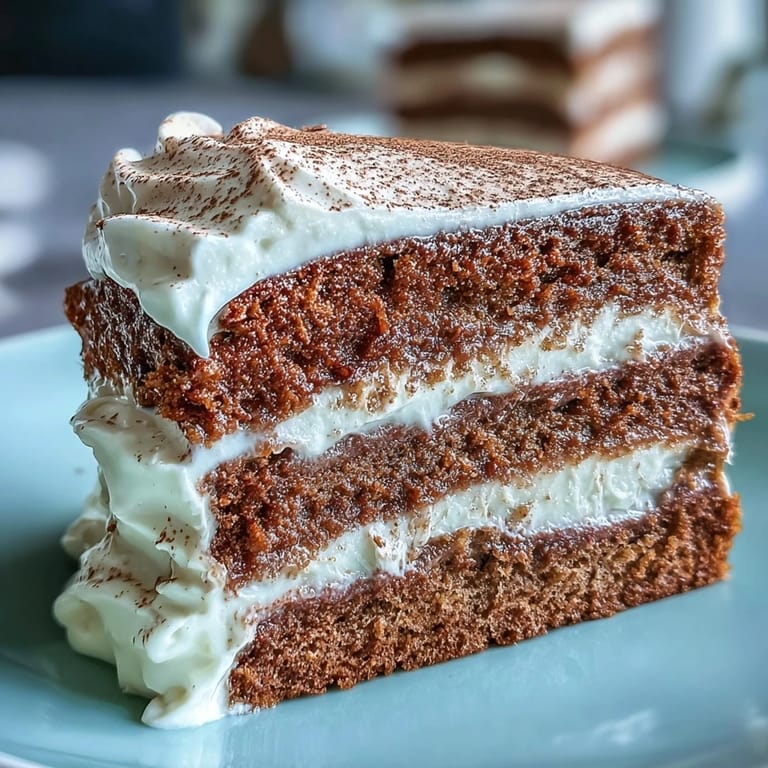
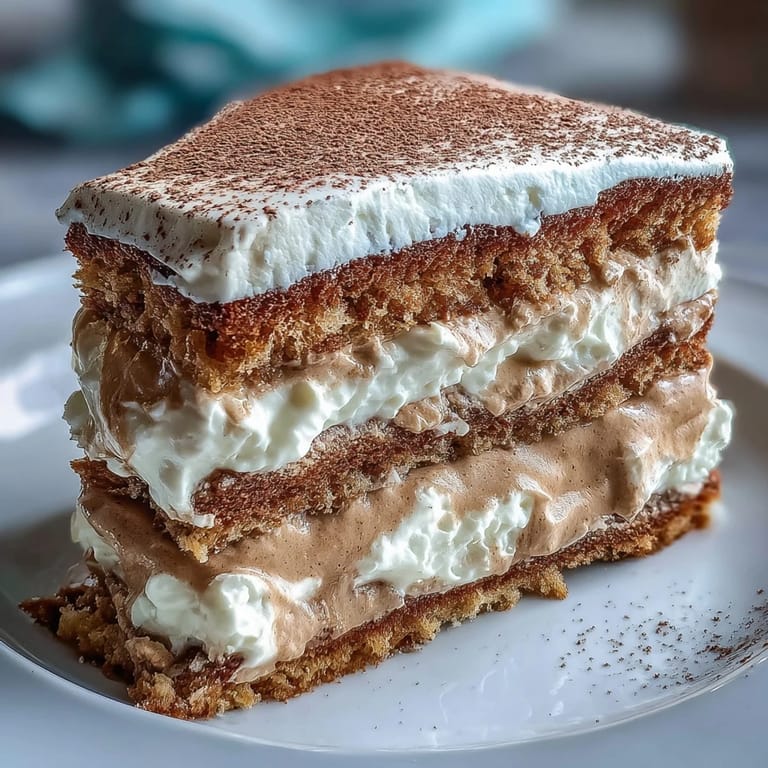
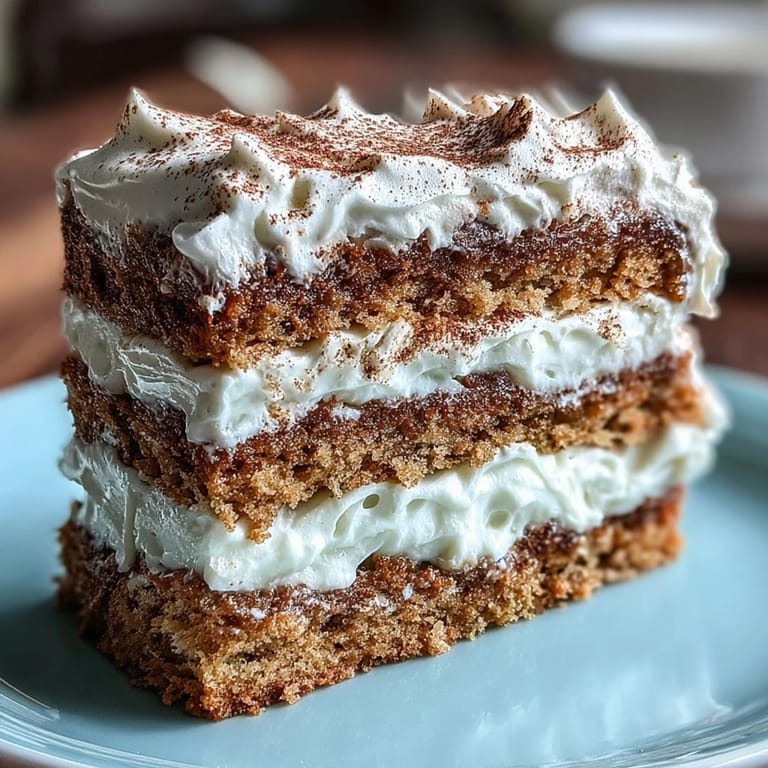
- Slice the completely cooled cake horizontally into two or three layers, spread hojicha whipped cream between each layer and over the top, then refrigerate for at least 30 minutes so the cream sets and slicing becomes clean and beautiful.
 Save
Save There's a moment right when the cake comes out of the oven where the kitchen smells like toasted grain and butter and possibility, and you know before anyone takes a bite that you've made something worth making. That smell is the hojicha doing its job, reminding everyone that there's more to a cake than sweetness, and that sometimes the best flavors are the quiet ones.
The Science Behind the Sponge
A genoise works on the principle that whipped eggs can hold air without any baking powder or baking soda, which means the entire structure depends on foam stability. Warming the eggs before whipping helps them whip faster and hold air better, while the gradual incorporation of flour ensures you keep as much of that precious air as possible. The butter and milk at the end might seem risky, but they actually make the cake more tender and moist without deflating it too much if you work carefully.
Why Hojicha Changes Everything
Hojicha is green tea that's been roasted at high temperatures, which transforms it into something with deeper, more complex notes than its unroasted cousin. This roasting gives the cake a subtle smoky and nutty quality that makes people pause and wonder what they're tasting, instead of recognizing it as straightforward chocolate or vanilla. The flavor is gentle enough not to overpower the delicate sponge, but distinctive enough that the cake stays interesting all the way through.
Making It Your Own
Once you've made this cake once and understand the method, you'll start thinking of variations without even trying. Some people brush each layer lightly with hojicha tea or simple syrup before adding the cream, which adds moisture and deepens the tea flavor throughout. Others top it with chocolate shavings or roasted nuts to add texture, or even dust the finished cake with extra hojicha powder for a more dramatic appearance.
- For a moister cake, brush each layer lightly with hojicha tea or simple syrup before spreading the cream.
- Keep hojicha powder stored in an airtight container away from light and heat to preserve its flavor and color.
- A cake turntable makes assembly easier, but a sturdy cutting board works just as well if you don't have one.
 Save
Save This cake has become my answer to the question of what to make when you want to impress someone but also want them to feel at home. It's elegant enough for a birthday dinner but comforting enough for a quiet afternoon tea, and it always leaves people asking for the recipe.
Recipe FAQs
- → What is hojicha powder?
Hojicha is a Japanese green tea that has been roasted over charcoal, resulting in a reddish-brown color and distinctive toasty, smoky flavor with lower caffeine content than other green teas. The powder is made from ground roasted tea leaves and can be found in Japanese grocery stores or specialty tea shops online.
- → Can I use regular green tea instead?
Matcha or other green tea powders will provide a different flavor profile—more grassy and bitter rather than nutty and smoky. For the authentic experience, it's best to source hojicha powder specifically, as its roasted character is essential to this cake's unique taste.
- → How should I store this cake?
Keep refrigerated in an airtight container for up to 3 days. The cream layers require cold storage to maintain texture. Allow the cake to come to room temperature for about 15 minutes before serving for the best flavor and texture experience.
- → Why is the sponge cake genoise-style?
Genoise is a classic French sponge that uses whipped eggs for leavening rather than chemical leaveners, creating an exceptionally light and airy texture. This delicate structure pairs beautifully with the silky hojicha cream, allowing the subtle tea flavors to shine through.
- → Can I make this gluten-free?
You can substitute the cake flour with a gluten-free flour blend designed for baking, though the texture may be slightly denser. Ensure your hojicha powder is certified gluten-free as some tea processing facilities may handle wheat products.
- → What tools are essential for success?
An electric mixer is crucial for properly whipping the eggs to tripled volume, which creates the sponge's airy structure. A sifter ensures smooth incorporation of dry ingredients, while a good quality rubber spatula helps fold without deflating the delicate batter.