 Save
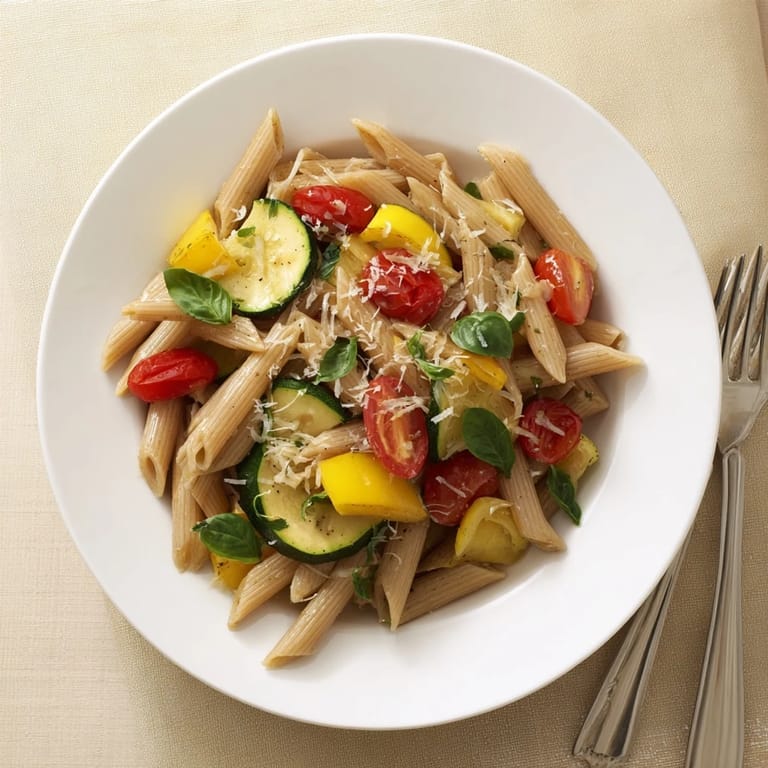
Save My neighbor knocked on the door one July evening holding a canvas bag full of zucchini and squash, more than any one person could reasonably use. I stood there in bare feet, no dinner plan, and a nearly empty fridge except for some pasta and a carton of cherry tomatoes. What came together in the next half hour became the dish I turn to every summer when the garden overflows and I need something that tastes like sunshine on a plate. It's barely a recipe, really just vegetables meeting heat and good olive oil, but that's exactly why it works.
I made this for a group of friends on a warm August night when we ate outside under string lights. Someone brought wine, another brought bread, and I just kept tossing more basil into the pan because it smelled too good to stop. We ended up sitting at the table long after the food was gone, and I realized the best meals are never the complicated ones. They're the ones where the ingredients speak for themselves and you get out of the way.
Ingredients
- Penne or fusilli pasta (12 oz): The ridges and curves catch all the juices from the vegetables, and cooking it just to al dente means it finishes perfectly when tossed in the skillet.
- Zucchini (1 medium): Slice it into half-moons so it cooks evenly and gets those golden edges without turning mushy.
- Yellow squash (1 medium): Its slight sweetness balances the acidity of the tomatoes and adds a pop of color that makes the dish look alive.
- Cherry or grape tomatoes (2 cups, halved): They burst into a light sauce when heated, and halving them speeds up the process so they release their juices quickly.
- Extra virgin olive oil (2 tbsp): Use the good stuff here because it's not just for cooking, it becomes part of the sauce.
- Garlic (3 cloves, minced): Sauté it gently so it perfumes the oil without burning, which would make everything taste bitter.
- Kosher salt (1/2 tsp plus more for pasta water): Salt the pasta water generously like the sea, it's your only chance to season the pasta from within.
- Freshly ground black pepper (1/4 tsp): A few grinds add warmth without overpowering the fresh vegetables.
- Fresh basil leaves (1/4 cup sliced, plus extra): Tear or slice it at the last minute so it stays bright green and aromatic.
- Red pepper flakes (1/4 tsp, optional): Just a pinch adds a gentle heat that wakes up the whole dish.
- Parmesan cheese (1/3 cup grated, optional): It melts into the warm pasta and adds a nutty, salty finish, but the dish stands on its own without it.
- Lemon zest (optional): A little grated zest right before serving brightens everything and makes it taste even more summery.
Tired of Takeout? 🥡
Get 10 meals you can make faster than delivery arrives. Seriously.
One email. No spam. Unsubscribe anytime.
Instructions
- Boil the pasta:
- Bring a large pot of salted water to a rolling boil and cook the pasta until al dente, following the package timing. Before draining, scoop out half a cup of the starchy pasta water and set it aside, it's the secret to a silky sauce.
- Sauté the garlic:
- Heat the olive oil in a large skillet over medium heat and add the minced garlic, stirring constantly for about a minute until it smells incredible but hasn't turned brown. If it browns, it'll taste harsh, so keep it moving.
- Cook the squash:
- Add the zucchini and yellow squash to the skillet, stirring every so often, and let them cook for four to five minutes until they're just tender with a little color on the edges. They should still have some bite, not be soft and watery.
- Add the tomatoes and seasoning:
- Toss in the halved tomatoes, salt, black pepper, and red pepper flakes if you're using them, then cook for another three to four minutes until the tomatoes start to collapse and release their juices. The skillet should look glossy and smell like summer.
- Toss with pasta:
- Lower the heat and add the drained pasta directly to the skillet, tossing everything together with tongs. Drizzle in some of that reserved pasta water a little at a time until the sauce clings to every piece of pasta.
- Finish with basil and cheese:
- Stir in the fresh basil and Parmesan if you're using it, then taste and add more salt or pepper if needed. The basil should wilt slightly but stay bright and fragrant.
- Serve and garnish:
- Divide the pasta among bowls and top with extra basil leaves and a little lemon zest if you want that extra zing. Serve it right away while it's warm and glossy.
 Save
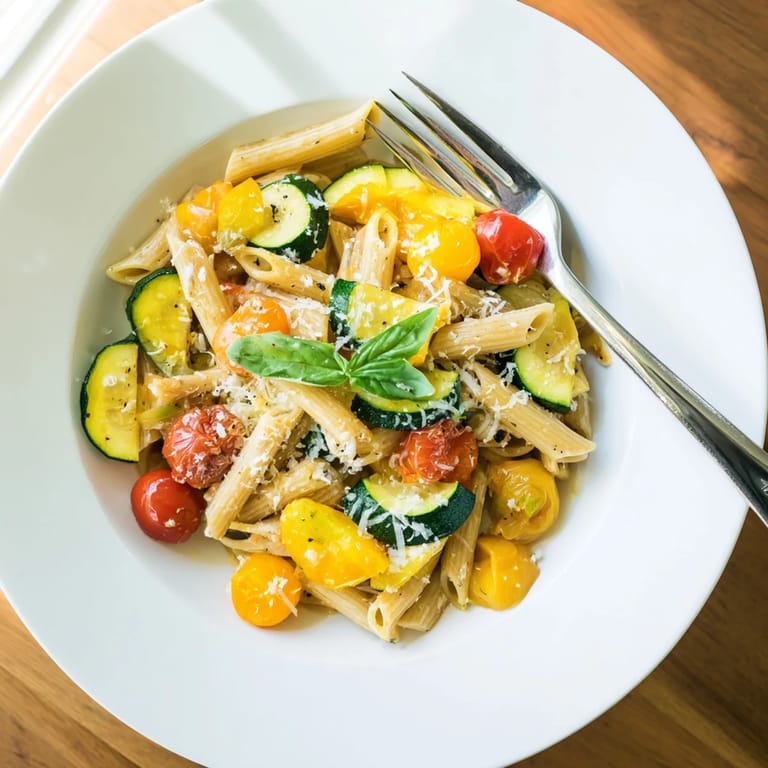
Save I brought this to a potluck once and someone asked for the recipe, surprised when I told them there wasn't really one. It's just vegetables, pasta, and a little attention, but that's what makes it feel special. It reminded me that cooking doesn't have to be fancy to matter, sometimes it just has to taste like the season and make people smile.
Making It Your Own
This dish is endlessly adaptable depending on what's in your kitchen or garden. I've stirred in handfuls of spinach at the end, swapped in bell peppers when I had them, and even added white beans for extra protein. If you want it richer, a splash of heavy cream or a few spoonfuls of ricotta turns it into something more luxurious. The bones of the recipe stay the same, but the spirit is all about using what you have.
Pairing and Serving
I like to serve this with crusty bread for mopping up any juices left in the bowl and a simple green salad dressed with lemon and olive oil. A chilled glass of Sauvignon Blanc or Pinot Grigio feels right alongside it, crisp and light enough not to compete. If you're feeding a crowd, double the recipe and serve it family style in a big shallow bowl so everyone can dig in together.
Storing and Reheating
Leftovers keep well in the fridge for up to three days, and I've been known to eat them cold straight from the container for lunch. If you want to reheat it, add a splash of water or olive oil to a skillet and warm it gently over low heat, tossing until it comes back to life. The vegetables soften a bit more as they sit, but the flavor only gets better as everything melds together.
- Store in an airtight container to keep it fresh.
- Don't reheat in the microwave if you can avoid it, the pasta can get rubbery.
- Add a handful of fresh basil or a squeeze of lemon after reheating to brighten it back up.
 Save
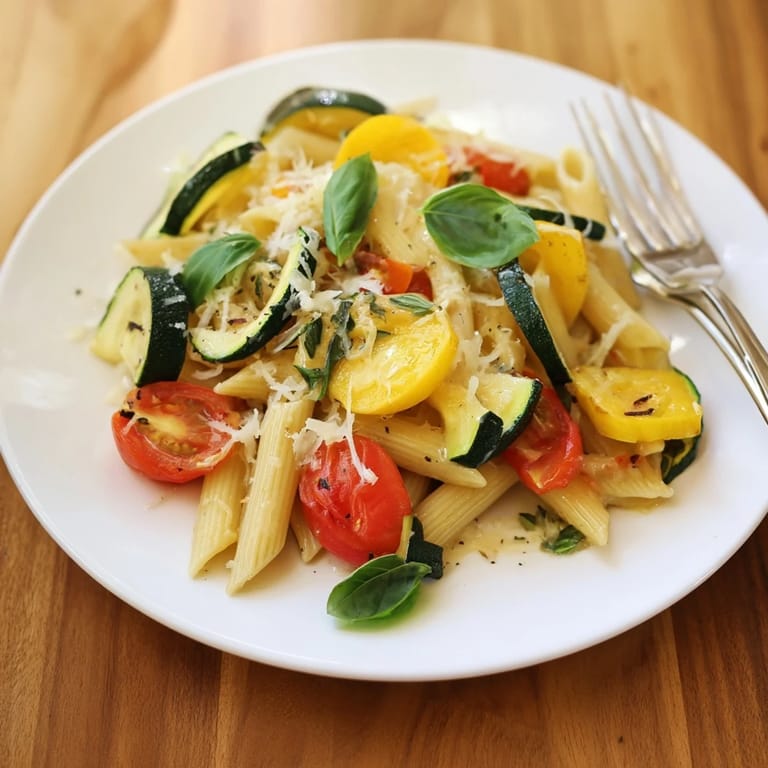
Save This is the kind of meal that reminds me why I love cooking, simple ingredients, a hot pan, and the willingness to let things be easy. I hope it finds a place in your kitchen the way it has in mine.
Recipe FAQs
- → Can I prepare this ahead of time?
While best served fresh, you can prep the vegetables in advance and store them separately. Toss everything together just before serving to maintain the pasta's texture and vibrancy of the vegetables.
- → What pasta shape works best?
Penne or fusilli are ideal as their ridged surfaces and curves trap the olive oil and vegetable bits. Short tube or spiral shapes work better than long strands for this chunky vegetable sauce.
- → How do I keep the vegetables from becoming mushy?
Cook the zucchini and squash for only 4-5 minutes until slightly tender, and the tomatoes for 3-4 minutes until they just soften. The residual heat from the pasta will continue cooking them slightly when combined.
- → Can I make this dairy-free or vegan?
Absolutely. Simply omit the Parmesan cheese or substitute with a plant-based alternative. The pasta and vegetables provide plenty of flavor, and the olive oil and garlic keep the dish rich and satisfying.
- → What vegetables can I substitute or add?
Bell peppers, spinach, snap peas, or eggplant work beautifully. Add harder vegetables earlier in the cooking process so everything finishes at the same time. Cherry tomatoes are key to the dish's character.
- → Why is pasta water important?
The starchy water emulsifies with the olive oil to create a silky sauce that clings to the pasta and vegetables, rather than pooling at the bottom of the dish. Start with a splash and add more as needed.