 Save
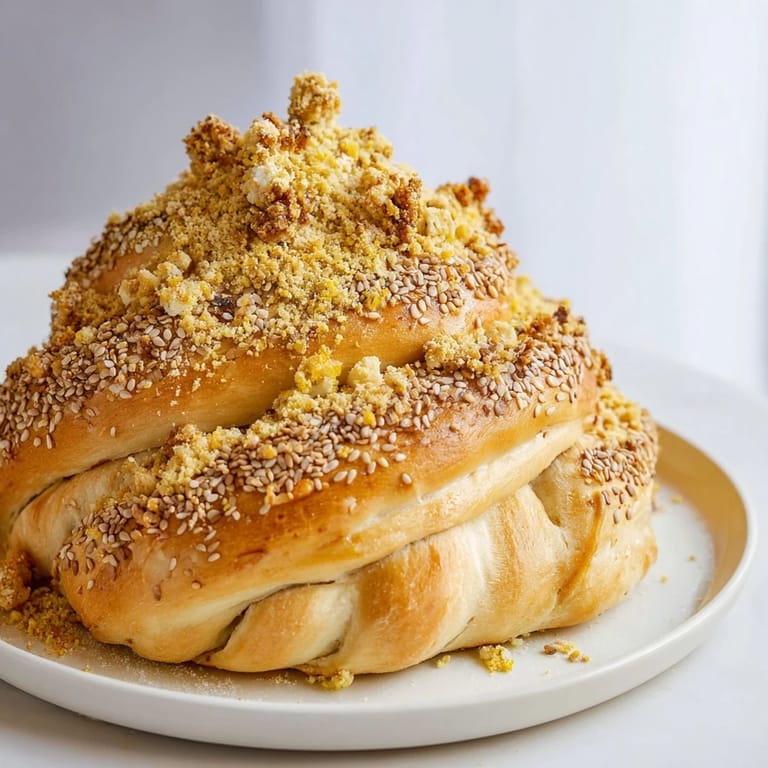
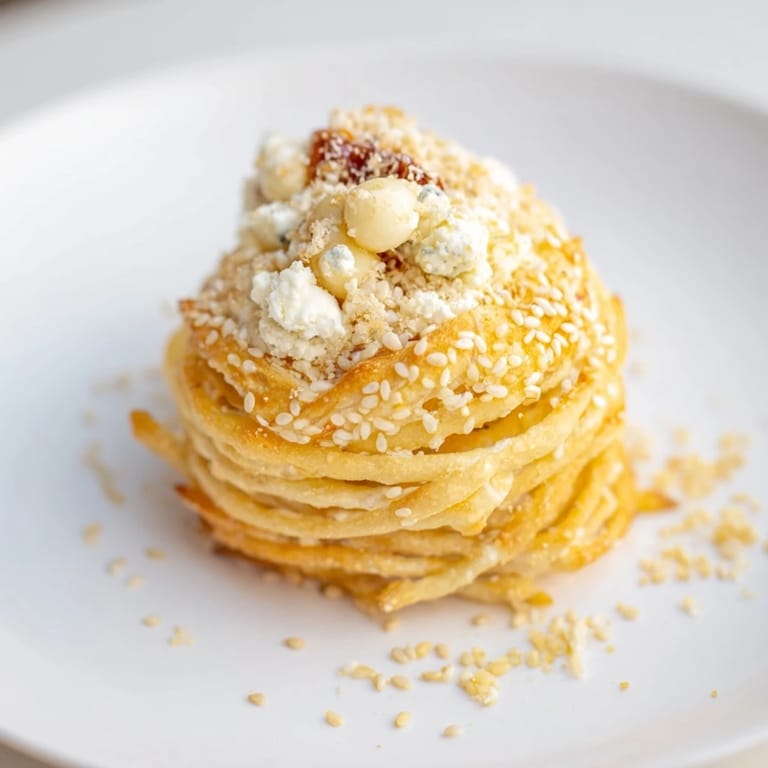
Save There's something about serving food inside an edible vessel that transforms a simple appetizer into theater. I discovered The Gilded Cage by accident when a tower of breadsticks toppled mid-assembly and landed perfectly around a cheese arrangement on my counter—suddenly what was meant to be a casual cheese board looked like something from a Michelin-starred tasting menu. Now it's my go-to showstopper when I want guests to gasp the moment they see it, then smile when they realize they can eat the dome.
I made this for the first time when my partner's colleagues came over unexpectedly with only three hours' notice. Instead of panicking, I realized I had everything in my pantry, and as the breadsticks baked, filling the kitchen with that yeasty warmth, I felt oddly calm—maybe because I was creating something beautiful rather than just throwing food on a plate. When I unveiled the dome at the table, the room went quiet for a beat, and that pause was worth every minute of kneading and careful stacking.
Ingredients
- All-purpose flour: The foundation of tender, pliable breadsticks; measure by weight if you can, as it changes with humidity.
- Instant dry yeast: One teaspoon gives a gentle rise without making the dough too airy or unpredictable.
- Lukewarm water: Too hot and you'll kill the yeast; too cold and nothing happens—aim for the temperature of a comfortable bath.
- Olive oil: Both in the dough for richness and brushed on before baking to encourage that golden sheen.
- Triple-cream Brie: Buttery and almost melting at room temperature, it anchors the cheese selection with softness.
- Aged Comté: Nutty and slightly crystalline, it adds complexity and a natural sweetness that balances sharper cheeses.
- Truffled goat cheese: The luxury touch that made me feel like I'd finally figured out how to entertain with intention.
- Blue cheese: A small amount goes far here; its intensity becomes a background note rather than overwhelming.
- Parmigiano Reggiano shavings: Use a vegetable peeler and let each shaving be a little gift of umami.
- Honey or fig jam: The bridge between savory and sweet that makes people pause mid-bite and ask what they're tasting.
- Fresh herbs: Thyme or rosemary scattered on top adds visual elegance and a whisper of aromatics.
Tired of Takeout? 🥡
Get 10 meals you can make faster than delivery arrives. Seriously.
One email. No spam. Unsubscribe anytime.
Instructions
- Mix and knead the dough:
- Combine flour, yeast, sugar, and salt in a large bowl, then add water and olive oil. Mix until shaggy, then knead for 8–10 minutes until smooth and elastic—you'll feel the transformation under your hands as the dough becomes almost satiny. If it seems too sticky, dust with a little flour; if too stiff, add water a teaspoon at a time.
- Let it rise:
- Cover the bowl with a damp cloth and let it sit in a warm spot for 30 minutes until it's visibly puffy and nearly doubled. You can tell it's ready when you poke it gently and the indentation doesn't immediately bounce back.
- Prepare and shape:
- Preheat the oven to 200°C (390°F) and line a baking tray with parchment paper. Divide the dough into 18–20 roughly equal pieces, then roll each one between your palms and the counter into a thin stick about 3 mm thick and 25 cm long—think of them as breadstick dancers that need room to spread.
- Glaze and bake:
- Brush each breadstick with egg yolk and scatter sesame seeds on top if using, then bake for 15–18 minutes, turning the tray halfway through, until they're golden and crisp enough to snap cleanly. The kitchen will smell incredible, and they'll still be warm when they come out.
- Assemble the dome:
- Arrange your cheese selection in a mound at the center of a serving platter, then carefully lean breadsticks against and around the cheeses to form a dome—you're building an edible crown. If it feels wobbly, use a small bowl as an internal scaffold while you arrange them, then gently remove it once everything's balanced.
- Garnish and serve:
- Tuck grapes into gaps, drizzle honey or spread jam around the base, and scatter fresh herbs over the whole arrangement. Step back and admire your work before guests arrive.
 Save
Save I remember my mother-in-law's face when she realized the entire dome was edible and not just for show. She laughed, broke off a breadstick, assembled her own perfect cheese bite, and suddenly understood why I'd spent the afternoon being so careful about every detail—this wasn't about impressing anyone with fussiness, it was about creating a moment where food was both beautiful and genuinely delicious.
The Art of the Cheese Selection
Choosing your cheeses is less about following a rule and more about understanding flavor profiles and textures. I think of it like assembling a small cast of characters: the soft one that yields immediately (Brie), the nutty one with a story (Comté), the bold one that demands attention (blue cheese), and the luxe garnish that feels like jewelry (Parmigiano shavings). The truffled goat cheese is your wild card, the thing that makes people pause and ask where you found it. Mix and match based on what's available and what your guests tend to gravitate toward—this isn't a museum piece, it's a conversation starter.
Building Your Dome Without Disaster
The architecture of this dish is simpler than it looks, but it helps to think structurally. The cheeses are your foundation, slightly piled and pressed so they don't shift. The breadsticks lean against each other and the cheese in overlapping angles, each one supporting and being supported. I often use a small oven-safe bowl as temporary scaffolding while I arrange the breadsticks, then lift it out carefully—it's like working with an invisible hand that helps you build confidence. The height should feel generous but not so tall that a strong exhale topples everything.
Wine Pairing and Serving Moments
The first time I served this with champagne, I realized why certain combinations feel inevitable—the bubbles cut through the richness of the cheeses while the breadsticks ground everything. I've also served it with a crisp Albariño and a chilled Vermentino, both of which kept the palate bright without overwhelming the delicate flavors. Bring the cheeses to room temperature about 20 minutes before serving so they're creamy, and keep the breadsticks in a warm spot so they stay crisp.
- Champagne or sparkling wine amplifies the celebration and cleanses the palate between bites.
- A dry white wine with minerality works beautifully if you want something less festive but equally elegant.
- Serve this as an opener to a longer meal rather than the entire event, or give guests 30–40 minutes to graze before the next course arrives.
 Save
Save This dish works because it honors two truths: that the best entertaining happens when you cook with your hands and your heart, not just a checklist, and that sometimes the most impressive thing you can do is give your guests permission to play with their food. Every time someone reaches in and breaks off a breadstick to build their own perfect bite, you'll know you made the right choice in the kitchen.
Recipe FAQs
- → How do I shape the breadsticks for the dome?
Roll the dough into thin sticks about 25 cm long and 3 mm thick, then bake until golden and crisp before assembling into a dome.
- → What cheeses work best for this dish?
A combination of creamy, aged, and tangy cheeses like triple-cream Brie, Comté, blue cheese, truffled goat cheese, and Parmigiano Reggiano provides balanced flavors.
- → Can I prepare the breadsticks in advance?
Yes, bake the breadsticks ahead and store them in an airtight container to maintain their crispness until assembly.
- → What accompanies the dome for added flavor?
Seedless red grapes, honey or fig jam, and fresh herbs like thyme or rosemary complement the cheese and breadsticks beautifully.
- → Any tips for assembling the breadstick dome?
Use the cheeses as a stable base, pressing breadsticks gently into the mound or shaping over a small bowl for support, then remove the mold carefully.