 Save
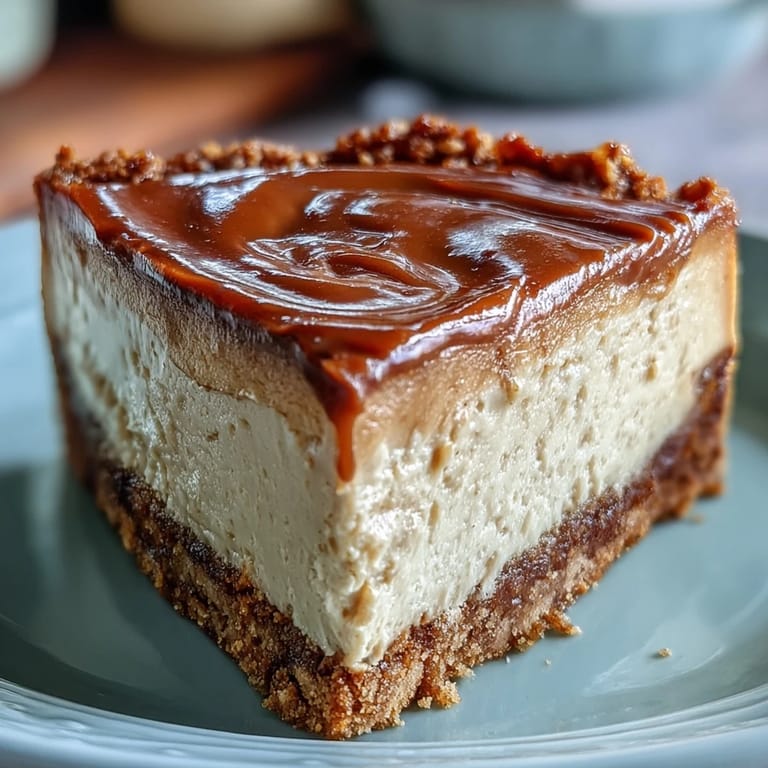
Save My first hojicha cheesecake happened by accident, really. I'd been watching the autumn leaves turn brown outside my kitchen window and found myself reaching for a bag of hojicha tea I'd picked up at a Japanese market months earlier. The roasted, almost nutty smell made me wonder what would happen if I folded it into something creamy and rich. Three hours later, with a swirled masterpiece cooling on my counter, I realized I'd stumbled onto something special.
I made this for my friend Maya's birthday dinner, and watching her close her eyes after the first forkful told me everything I needed to know. She'd been skeptical about the hojicha part, convinced it might taste medicinal, but instead she found herself reaching for a second slice. That's when I knew this recipe had the kind of magic that makes people linger at the table longer than they planned.
Ingredients
- Graham cracker crumbs: You want about 2 cups loosely measured—I've found that processing whole crackers yourself gives a better texture than store-bought crumbs, which can be inconsistently sized.
- Unsalted butter, melted: This is your binder and flavor base for the crust, so don't skimp on quality.
- Granulated sugar: A pinch for the crust, ¾ cup for the filling—sugar balances the earthiness of hojicha beautifully.
- Salt: Just a pinch here, but it's your secret weapon for deepening all the flavors.
- Hojicha loose leaf tea: This is the star, and loose leaf gives you more control over steeping than tea bags—the flavor is cleaner and more pronounced.
- Heavy cream: You need ½ cup total, split between steeping the hojicha and enriching the cheesecake itself.
- Cream cheese, softened: This cannot be overstated—room temperature cream cheese beats cold cream cheese every single time for achieving that silky texture.
- Eggs: Two large ones, and they should be at room temperature too, or you'll end up with lumps in your filling.
- Sour cream: This adds tang and moisture, keeping the cake tender instead of dense.
- Vanilla extract: One teaspoon of genuine vanilla, not imitation—it rounds out the hojicha's roasted notes.
- All-purpose flour: Just one tablespoon to stabilize the filling without making it tough.
Tired of Takeout? 🥡
Get 10 meals you can make faster than delivery arrives. Seriously.
One email. No spam. Unsubscribe anytime.
Instructions
- Heat your oven and prep your pan:
- Set the oven to 160°C (325°F) and line the springform pan bottom with parchment paper—this prevents the crust from sticking and makes unmolding later much easier. Room temperature counts here; a proper temperature prevents cracks in your finished cake.
- Build the crust:
- Combine your graham cracker crumbs with melted butter, sugar, and salt in a bowl, then press it firmly and evenly across the pan bottom. Bake for 10 minutes until it's fragrant and lightly golden, then let it cool completely—this prevents the filling from cooking the bottom unevenly.
- Steep the hojicha:
- Heat the heavy cream until you see little wisps of steam rising, then pour it over your hojicha tea and cover it. Let it sit for exactly 10 minutes—any longer and the tea becomes bitter, any shorter and you won't get that deep, toasted flavor. Strain it carefully and let it cool to room temperature before using.
- Cream your cheese and sugar:
- Beat softened cream cheese until it's completely smooth with no lumps, then add sugar gradually while mixing. This step takes about 2 minutes and is worth doing slowly because lumpy cream cheese never fully disappears in the final cake.
- Incorporate eggs gently:
- Add eggs one at a time, beating after each addition—this prevents overmixing, which introduces air bubbles that crack during baking. Once the eggs are in, add sour cream, vanilla, and flour, mixing just until combined.
- Create the hojicha swirl:
- Divide about ⅓ cup of the plain batter into a separate bowl and whisk in your cooled hojicha cream until the color is even and beautiful. Pour the remaining plain batter over the cooled crust, then drop spoonfuls of hojicha batter randomly across the top.
- Swirl with intention:
- Take a skewer or thin knife and drag it gently through the batters in a figure-eight pattern, creating those gorgeous marble veins without overworking the batter. Less is more here—too much swirling muddles the colors into an unappealing gray.
- Bake low and slow:
- Place the pan on a baking tray (this catches any potential leaks) and bake for 40 to 45 minutes until the edges are set but the very center still jiggles slightly when you gently tap the pan. The cheesecake continues to cook as it cools, so catching it just before it's fully set is the secret to creamy texture.
- Cool gradually in the oven:
- Turn off the oven and crack the door open about 2 inches, then let the cheesecake sit inside for a full hour. This slow temperature change prevents the dreaded cracks that happen when cheesecake moves from hot to cold too quickly.
- Chill thoroughly:
- Remove from the oven and let it reach room temperature, then refrigerate for at least 5 hours, ideally overnight. This resting time allows the flavors to settle and the texture to become perfectly set.
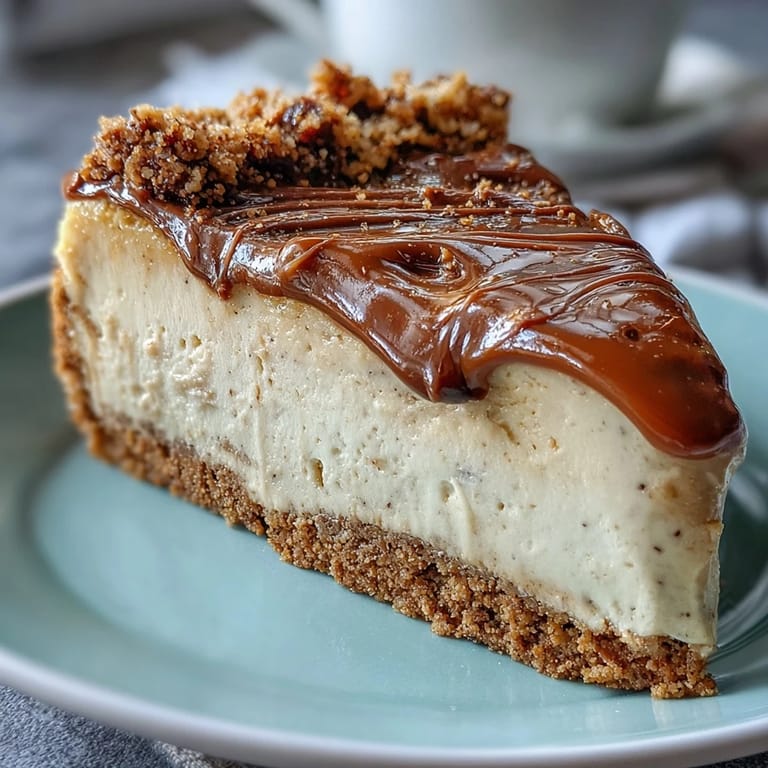 Save
Save There's a moment, around 2 AM after a dinner party, when you're slicing into a perfectly chilled cheesecake and the knife glides through without cracking, revealing that gorgeous hojicha swirl. That's when you realize this dessert transcends the ordinary—it's become a story you'll tell and remake again and again.
The Magic of Hojicha in Desserts
Hojicha isn't like green tea or matcha. It's roasted, which gives it this nutty, almost caramel-like depth that feels sophisticated without being pretentious. When I first paired it with creamy cheesecake, I was worried the tea flavor might taste bitter or medicinal, but the opposite happened—it became something warm and inviting, like autumn in a dessert form.
Why This Cheesecake Stays Creamy
The sour cream is your best friend here. It adds moisture and a subtle tang that keeps the cheesecake from becoming dense or rubbery, even if it spends a night or two in your refrigerator. I've made this recipe with and without it, and there's a noticeable difference in texture—the sour cream version stays tender and spoonable, while the version without can turn slightly grainy after a day.
Serving and Storage Ideas
This cheesecake actually improves slightly after sitting overnight, as the flavors meld and deepen. I like serving it with a dollop of unsweetened whipped cream and a light dusting of hojicha powder on top, which adds both visual drama and an extra layer of that toasted flavor.
- Store any leftovers in an airtight container in the refrigerator for up to five days—it won't last that long anyway.
- You can freeze individual slices wrapped in plastic wrap for up to a month if you're thinking ahead.
- Let slices come to room temperature for about 15 minutes before serving for the creamiest, most flavorful bite.
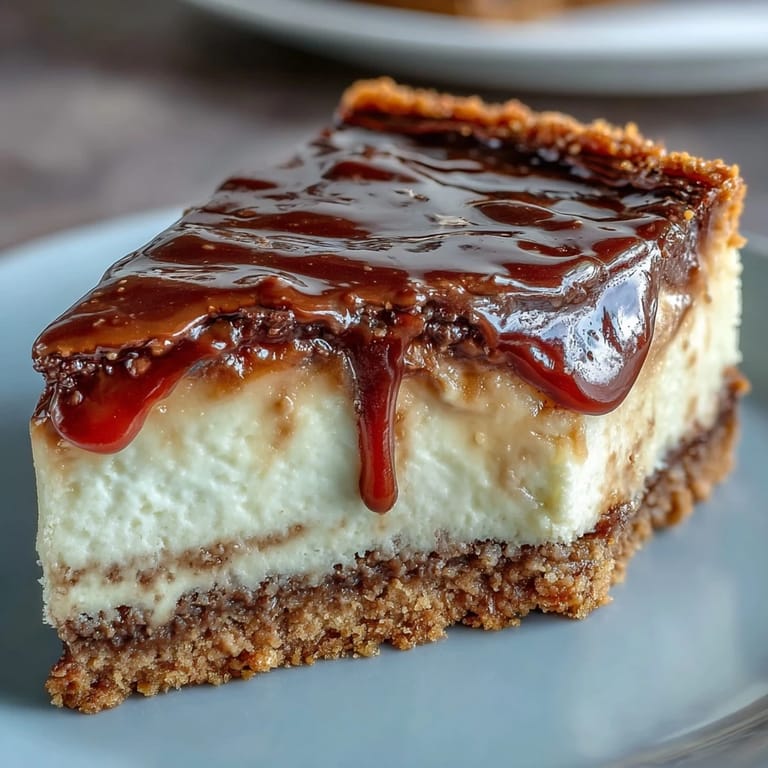 Save
Save This cheesecake sits at the intersection of two worlds—the comforting, familiar texture of American cheesecake meets the subtle complexity of Japanese hojicha tea. Once you've made it, you'll find yourself reaching for hojicha in other desserts too.
Recipe FAQs
- → What makes hojicha unique in desserts?
Hojicha brings earthy, caramel-like notes with less astringency than other Japanese teas. Its roasted character pairs beautifully with rich dairy desserts, adding sophisticated depth without bitterness.
- → Can I use hojicha powder instead of loose leaves?
Yes, hojicha powder works wonderfully and creates more intense flavor. Use 1-2 tablespoons dissolved in the heated cream, adjusting based on taste preference. The powder yields a darker, more pronounced swirl pattern.
- → Why does the cheesecake cool in the oven with the door cracked?
This gradual cooling method prevents sudden temperature changes that cause cracks. As the cheesecake cools slowly, it sets evenly without surface damage, ensuring a smooth, professional appearance.
- → How long should I refrigerate before serving?
Minimum 5 hours, though overnight chilling (8-12 hours) produces the best texture and flavor. The extended refrigeration allows the hojicha notes to meld with the cream cheese filling while achieving the perfect creamy consistency.
- → Can I substitute the graham cracker crust?
Digestive biscuits, vanilla wafers, or even crushed shortbread cookies make excellent alternatives. Use the same 2:1 ratio of crumbs to melted butter, adjusting sugar slightly based on your chosen cookie's sweetness.
- → What's the best way to achieve the marble swirl?
Drop spoonfuls of hojicha batter randomly over the plain filling, then use a skewer or knife to make gentle figure-eight motions. Avoid over-swirling, which blends the flavors too much. One or two passes create distinct, beautiful marbling.