 Save
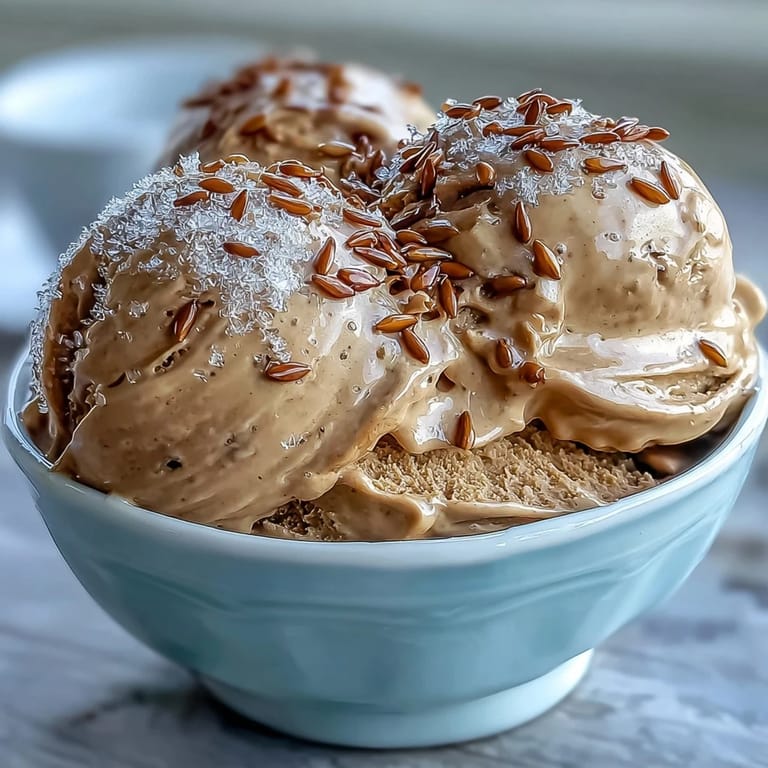
Save There's a particular moment in autumn when the air shifts, and I found myself standing in a Japanese tea shop, watching someone pour hojicha into hot water. The way it turned the liquid into liquid caramel made me wonder if I could capture that in ice cream form. That curiosity led me to my kitchen on a cool evening, armed with loose leaf hojicha and the kind of determination that only comes when you're chasing a flavor you can't stop thinking about. The result was smoother and more elegant than I expected, with this deep, roasted nuttiness that feels nothing like regular green tea.
I made this for a dinner party where everyone was expecting something predictable, and watching their expressions when they tasted it was worth every minute of the prep work. One guest actually closed her eyes, and someone else asked for the recipe before they'd even finished their bowl. That's when I realized this wasn't just ice cream—it was a conversation starter, a small moment of surprise in a familiar format.
Ingredients
- Heavy cream (2 cups): The foundation of silky richness; use the best quality you can find because it's really the star here.
- Whole milk (1 cup): Balances the cream so the ice cream doesn't feel heavy, while letting the hojicha flavor shine through clearly.
- Hojicha loose leaf tea (3 tablespoons): The soul of this recipe; roasted Japanese green tea with a warm, toasted flavor that feels both exotic and comforting.
- Egg yolks (4 large): Creates that custard base that transforms simple cream into something luxurious and dense.
- Granulated sugar (2/3 cup): Sweetens without overpowering the subtle tea notes, and helps the ice cream churn to the right texture.
- Fine sea salt (pinch): A whisper of salt that makes every other flavor pop and feel more rounded.
Tired of Takeout? 🥡
Get 10 meals you can make faster than delivery arrives. Seriously.
One email. No spam. Unsubscribe anytime.
Instructions
- Heat your cream and milk gently:
- Pour them both into a saucepan and warm over medium heat until you see small wisps of steam rising from the surface. You want it hot enough to steep the tea properly, but not so hot that it boils—watch for that delicate threshold where the edges start to shimmer.
- Steep the hojicha:
- Add the loose leaf tea directly to the hot milk mixture, then reduce the heat to low and cover with a lid. Let it sit undisturbed for 10 minutes, and you'll notice the liquid turning into this gorgeous amber-brown color with an aroma that fills your whole kitchen.
- Strain with intention:
- Pour everything through a fine mesh sieve into a bowl, using the back of a spoon to gently press the tea leaves and coax out every bit of flavor. Return that fragrant liquid back to the saucepan and set it aside.
- Whisk your egg yolks into submission:
- In a separate bowl, combine the egg yolks, sugar, and salt, whisking until the mixture becomes pale and slightly thickened, almost ribbony. This takes a few minutes of actual effort, but it's worth it because you're incorporating air that will help freeze beautifully.
- Temper those yolks carefully:
- Slowly pour about a cup of the warm hojicha mixture into the yolk bowl while whisking constantly—this gradual warming prevents scrambled eggs and creates a smooth transition. Never stop whisking; this is where patience pays off.
- Combine and cook gently:
- Pour the yolk mixture back into the saucepan with the remaining hojicha milk, stirring constantly with a wooden spoon over low heat. Keep going until the custard thickens enough to coat the back of the spoon—this takes about 5 to 8 minutes and you'll feel the moment it happens.
- Final strain and chill:
- Pour the custard through the fine sieve one more time to catch any cooked egg bits, then let it cool to room temperature before covering and refrigerating for at least 4 hours. The cold time is not optional—it's when flavors settle and blend into something harmonious.
- Churn and freeze:
- Transfer the chilled custard to your ice cream maker and churn according to the manufacturer's instructions until it reaches soft-serve consistency. Move it to an airtight freezer container and let it freeze for at least 2 hours before serving.
 Save
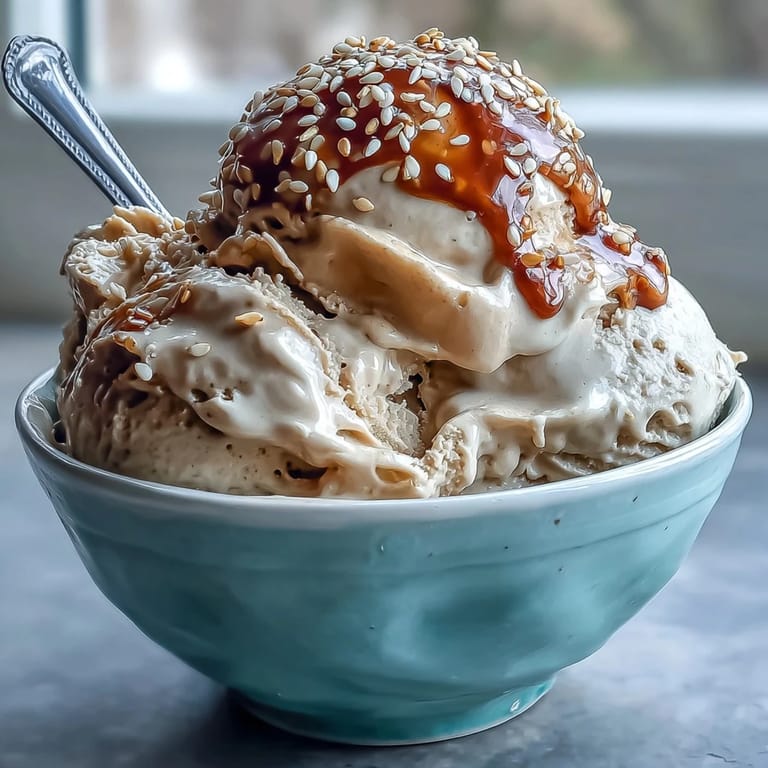
Save There was an afternoon when my sister came by unannounced, and I served her a bowl of this hojicha ice cream alongside some fresh strawberries. We sat by the window talking about nothing important, and she kept going back for more bites, pausing between each spoonful. That quiet, ordinary moment became one of those memories that stick with you—not because anything dramatic happened, but because something simple tasted like love.
The Art of Steeping Tea Properly
Steeping hojicha is different from regular brewing because you're creating an infusion that will be consumed as custard, not drunk as tea. The goal is to extract enough flavor that every spoonful of ice cream tastes distinctly of that warm, roasted character without any bitterness or grittiness. I learned this by over-steeping the first batch and ending up with something that tasted slightly astringent; now I treat those 10 minutes like a meditation, checking the color and aroma to know when it's perfect.
Understanding Your Ice Cream Maker
Different ice cream makers work in different ways, and getting to know yours is half the battle. Whether you have a machine that freezes a bowl, uses liquid nitrogen, or has a built-in compressor, the principle is the same: cold + churning + time equals ice cream. The churning stops ice crystals from forming too large, which is why skipping this step and just freezing the custard results in something that tastes like a popsicle instead of proper ice cream.
Serving and Storing for Maximum Enjoyment
Hojicha ice cream actually tastes better after it's been frozen for a couple of days, as the flavors continue to meld and mature in the cold. Serve it in chilled bowls or on small plates, and consider pairing it with something that echoes its Japanese origins—mochi, fresh fruit, or even a drizzle of sweetened condensed milk for an unexpectedly luxurious touch. Store it in an airtight container at the back of your freezer, away from anything with strong odors.
- If the ice cream softens slightly, let it sit at room temperature for just 2 to 3 minutes before scooping rather than microwaving it, which can create icy pockets.
- Hojicha powder works as a substitute if you can't find loose leaf tea, but whisk it directly into the warm milk rather than steeping it.
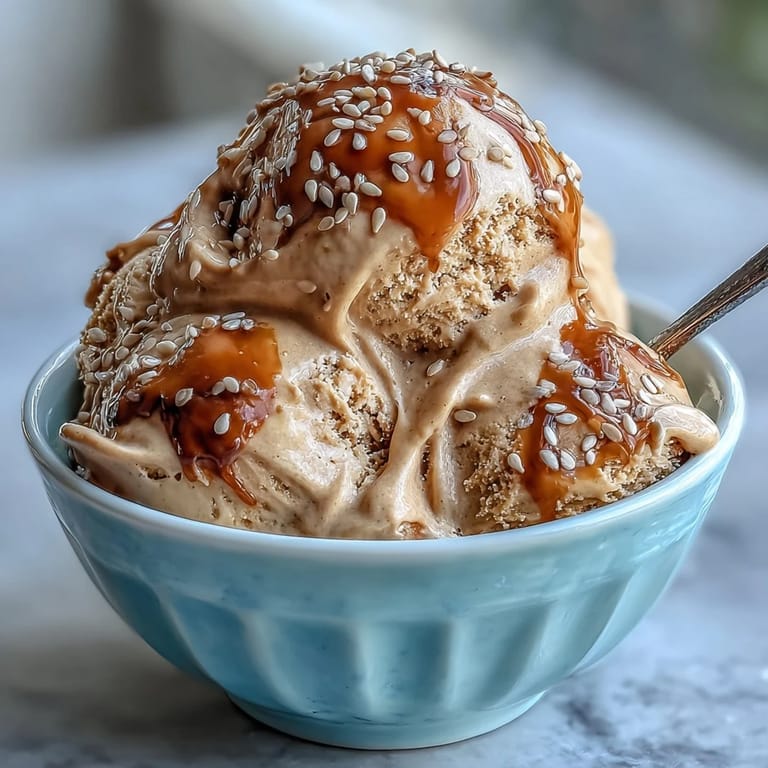
- A garnish of toasted sesame seeds adds an extra layer of nuttiness that feels intentional and sophisticated.
 Save
Save This hojicha ice cream has a way of reminding you that the best desserts don't need to be complicated to be memorable. It's sophisticated enough for a dinner party, simple enough for a quiet evening with just yourself and a spoon.
Recipe FAQs
- → What makes hojicha different from regular green tea?
Hojicha is roasted green tea that has been fired at high temperatures, giving it a distinct reddish-brown color and nutty, caramel-like flavor profile. Unlike steamed green teas which maintain vegetal notes, hojicha's roasting process reduces bitterness and creates a toasty, comforting taste that pairs beautifully with rich dairy.
- → Can I make this without an ice cream maker?
While an ice cream maker produces the smoothest texture, you can still create this frozen treat without one. After the custard base chills completely, pour it into a shallow container and freeze. Every 30 minutes for the first 3-4 hours, remove from the freezer and vigorously whisk or blend with an immersion blender to break up ice crystals. The texture will be slightly denser but still enjoyable.
- → How long should I steep the hojicha in the dairy mixture?
Steep the tea for about 10 minutes over low heat with the lid on to prevent evaporation. This duration allows the roasted flavors to fully infuse into the milk and cream without extracting excessive bitterness. After steeping, strain through a fine mesh sieve and press firmly on the leaves to capture all those flavorful oils.
- → What's the best way to store homemade frozen desserts?
Transfer your churned creation to an airtight container, pressing parchment paper directly against the surface before sealing to prevent ice crystal formation. Store in the coldest part of your freezer, typically the back rather than the door. For optimal texture and flavor, consume within 2-3 weeks, though it will remain safe to eat for longer.
- → What garnishes complement the roasted tea flavor?
Toasted sesame seeds add a delightful nutty crunch that harmonizes with hojicha's roasted notes. A drizzle of sweetened condensed milk provides creamy sweetness and visual appeal. For a traditional Japanese presentation, serve alongside fresh mochi, seasonal fruits like persimmon or pear, or a sprinkle of matcha powder for contrast.
- → Is this dessert suitable for special dietary needs?
This version is naturally vegetarian and gluten-free, making it suitable for those avoiding wheat or meat products. However, it does contain dairy and eggs, so it's not appropriate for vegan or lactose-intolerant individuals. To adapt, consider using coconut cream and cornstarch as alternatives, though the flavor profile will shift slightly.