 Save
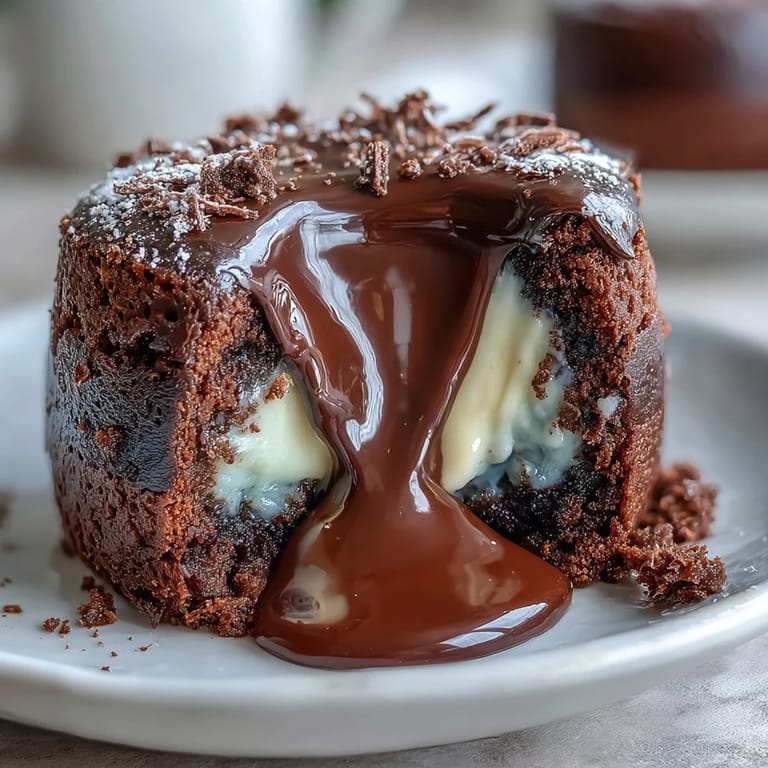
Save I discovered hojicha lava cakes during a quiet afternoon in my kitchen when I was experimenting with Japanese flavors and European technique. The idea of combining earthy roasted tea with luxurious white chocolate felt like a conversation between two entirely different culinary worlds. When I pulled that first cake from the oven and watched the molten center spill across the plate, I understood why this dessert deserves a moment of reverence. It's the kind of dish that makes people pause mid-bite and ask what just happened.
A friend visiting from Tokyo watched me make this and said the combination of hojicha and white chocolate reminded her of a dessert her grandmother used to make, except she'd never seen it done quite this way. We sat around eating them warm with coffee, and she kept shaking her head like she couldn't decide if it was familiar or entirely new. In that moment, I realized this dish was doing exactly what I'd hoped: bridging traditions instead of choosing between them.
Ingredients
- White chocolate: Use quality white chocolate with actual cocoa butter, not the waxy stuff, because the flavor matters enormously when there aren't many other components competing for attention.
- Hojicha powder: This roasted green tea is the soul of the recipe; find it at Japanese markets or online, and check that it's pure powder without added sugar.
- Heavy cream: The vehicle that carries the hojicha flavor into the ganache, so don't skimp on quality here either.
- Eggs: Room temperature eggs emulsify more smoothly with the chocolate and create a more stable, airy batter.
- Unsalted butter: You control the salt this way, which is crucial for a dessert where every flavor note matters.
- All-purpose flour: Just enough to give structure without making the cake dense; overmixing is your enemy here.
Tired of Takeout? 🥡
Get 10 meals you can make faster than delivery arrives. Seriously.
One email. No spam. Unsubscribe anytime.
Instructions
- Wake up the hojicha ganache:
- Combine your white chocolate with the hojicha powder in a bowl so the tea and chocolate can become friends before the heat arrives. Pour the hot cream over them and let it sit for a minute, which softens everything gently, then stir until you have a silky, almost glossy mixture.
- Prepare your vessels:
- Butter those ramekins thoroughly, then dust with cocoa powder or flour so the cake can slide out cleanly without sticking. Tap out the excess and chill them while you work on the batter.
- Marry chocolate and butter:
- Melt them together slowly over barely simmering water, stirring occasionally so they become one smooth, glossy pool. This gentle method prevents seizing and keeps your chocolate silky.
- Build the foam:
- Whisk the eggs and sugar until the mixture is pale, thick, and falls in ribbons when you lift the whisk. This aeration is what makes the cake tender and gives it that delicate crumb.
- Fold everything together:
- Gently fold the chocolate into the eggs, then the flour and salt, moving slowly and deliberately so you don't deflate all that beautiful air you just created. The batter should look smooth but never overworked.
- Assemble with intention:
- Spoon a tablespoon of batter into each ramekin, then nestle that cold ganache ball right in the center where it will create a molten surprise. Top with remaining batter and smooth the surface so it bakes evenly.
- Bake with precision:
- Into a preheated 200°C oven they go for 11 to 13 minutes, watching for edges that have set while the very center still trembles slightly when you gently shake the ramekin. This is the magic window where the lava happens.
- Release and serve immediately:
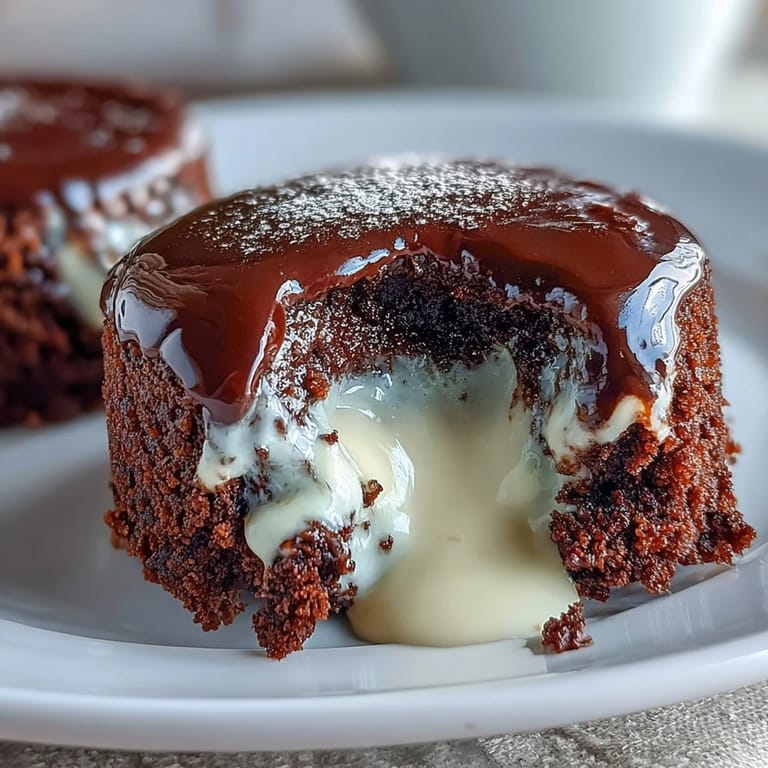
- Let them rest for just a minute after baking, run a knife around the edge, and flip onto waiting plates while everything is still warm and ready to flow. The molten center is the whole point, so timing matters.
 Save
Save I made these for a dinner party where someone mentioned they'd given up desserts because they found most of them too sweet, and watching them eat one of these cakes was like watching someone rediscover something they thought they'd lost. The hojicha's earthy bitterness cuts through the white chocolate's sweetness in a way that feels balanced and sophisticated instead of cloying.
The Science of the Lava
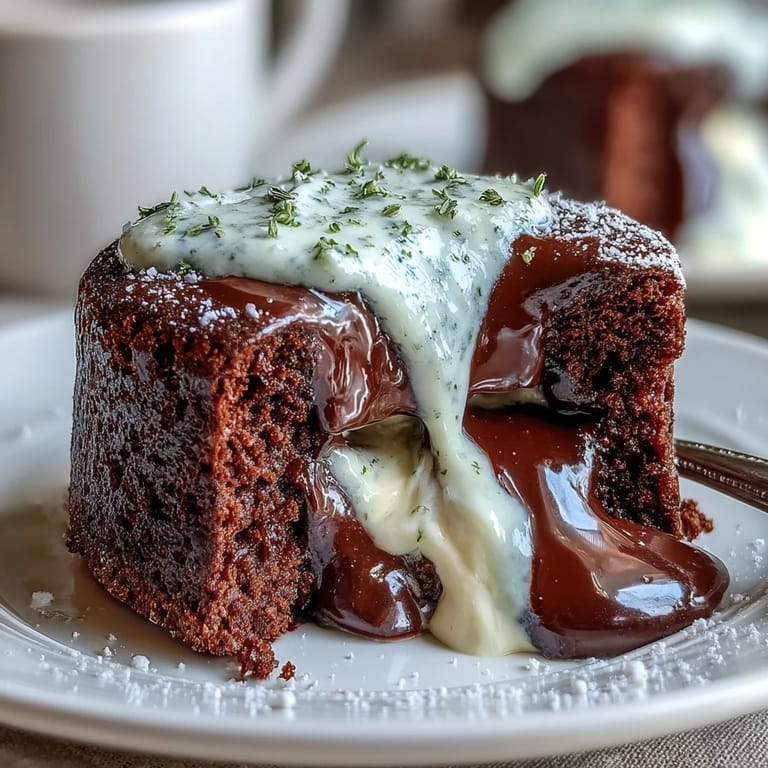
What makes a lava cake work is the contrast between the set edges and the molten center, and that only happens when you bake it just long enough for the exterior to set while the inside stays undercooked. The ganache acts as both a flavor bomb and a structural surprise, sinking to the bottom and then rising back up as warm liquid chocolate when you cut into it. The white chocolate cake acts as a protective casing, and the hojicha powder suspended in the ganache adds an unexpected complexity that white chocolate alone could never achieve.
Timing and Temperature Matter More Than You'd Think
Oven temperature varies wildly from kitchen to kitchen, and lava cakes are unforgiving about it. If you notice your first cake came out either too solid or too liquidy, adjust your second one by checking it 30 seconds earlier or later. The difference between disaster and perfection is often just one minute, so having an oven thermometer is genuinely worth it.
Playing with Flavors and Variations
Once you've made this once and understand how the center works, you can start experimenting with different fillings and flavor combinations. The hojicha-white chocolate pairing is special, but matcha creates an even more grassy, astringent flavor, while regular tea or even coffee brings different notes entirely. Consider serving these with something cold to contrast the warm center, whether that's vanilla ice cream, unsweetened whipped cream, or even fresh berries to cut through the richness.
- Make the ganache the day before and keep it chilled so you can focus on the batter when you're actually baking.
- If you're baking from chilled, assembled cakes, add one to two minutes to the baking time since everything starts colder.
- These are best served immediately while the center is still flowing, but you can prepare them ahead and bake them fresh when guests arrive.
 Save
Save These cakes have become my go-to when I want to do something special without spending all day cooking, and they've turned into the kind of dessert people specifically ask me to make. There's something deeply satisfying about watching someone's face when that molten center runs across their plate.
Recipe FAQs
- → What is hojicha?
Hojicha is a Japanese green tea that has been roasted over charcoal, giving it a distinctive reddish-brown color and a nutty, caramel-like flavor profile. Unlike other green teas, hojicha has lower caffeine content and a more mellow, earthy taste that pairs exceptionally well with sweet desserts and creamy ingredients.
- → How do I know when the lava cakes are done baking?
The cakes are ready when the edges appear set and firm, but the centers still have a slight jiggle when you gently tap the ramekin. This usually takes 11-13 minutes at 200°C. It's better to slightly underbake than overbake, as the residual heat will continue cooking the cakes as they rest.
- → Can I make these ahead of time?
Yes, you can assemble the filled ramekins and refrigerate them for several hours before baking. If baking from chilled, add 1-2 minutes to the baking time. The hojicha ganache centers can also be prepared a day in advance and kept refrigerated until you're ready to make the batter.
- → What can I use instead of hojicha powder?
Matcha powder makes an excellent substitute, offering a vibrant green color and more grassy notes. Alternatively, you could use finely ground Earl Grey tea for a bergamot-infused variation, or cocoa powder for a classic chocolate lava cake. The quantity remains the same regardless of the powder you choose.
- → Why did my centers not remain molten?
This usually happens when the cakes are overbaked. Ensure your oven temperature is accurate and monitor the cakes closely during the final minutes of baking. The centers should still wobble slightly when removed from the oven. Letting them rest too long before serving can also cause the centers to set, so plate and serve them immediately after inverting.
- → What size ramekins work best?
Ramekins with a diameter of 6-8 cm (approximately 4-6 ounces) are ideal for this preparation. The size affects baking time—smaller vessels will cook faster, while larger ones may need additional minutes. Greasing and dusting thoroughly ensures the cakes release cleanly when inverted.