 Save
Save My first encounter with hojicha panna cotta happened on a quiet afternoon in a small Tokyo café, where the dessert arrived looking almost too delicate to touch—a wobbling cloud of cream infused with the warmth of roasted tea. The flavor hit differently than I expected: no bitterness, just this gentle, toasty comfort that felt both sophisticated and comforting at once. I spent weeks trying to recreate that moment in my own kitchen, learning that patience with the steeping time and respecting the tea's subtle personality were everything. This recipe became my answer to the question I kept asking myself: how do you capture refinement in a spoon?
I made this for my sister's birthday dinner, and watching her take that first spoonful—the way her expression shifted from curiosity to genuine delight—made the whole process worth it. She kept saying it tasted like someone had translated a feeling into dessert, which honestly became my favorite compliment ever. That night, three separate people asked for the recipe, and I realized something so simple could spark that much conversation around the table.
Ingredients
- Heavy cream: This is your base, and honestly, don't skimp here—the quality directly affects how silky everything becomes.
- Whole milk: Balances the richness without making it feel heavy, keeping that elegant spoon-ability intact.
- Granulated sugar: Sweetens gently; you're not competing with the tea, just supporting its natural warmth.
- Hojicha loose leaf tea: The star—use loose leaf if you can because the flavor extraction is noticeably better than tea bags.
- Powdered gelatin: The quiet hero that creates that perfect wobble without rubbery firmness.
- Cold water: Essential for blooming the gelatin properly; don't skip this step even though it seems simple.
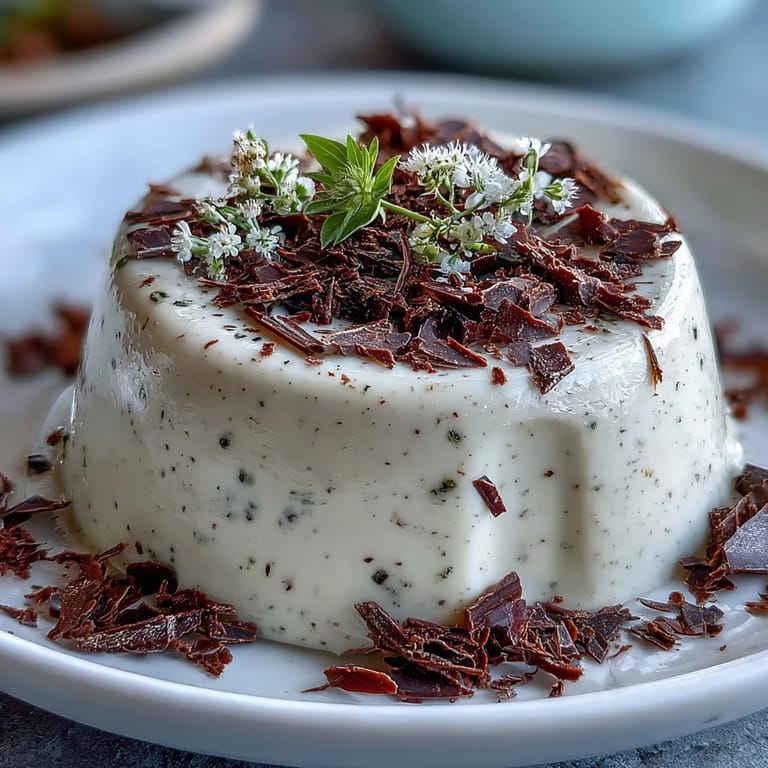
- Whipped cream, shaved chocolate, roasted nuts, or edible flowers: Your finishing touches that transform ordinary into Instagram-worthy.
Tired of Takeout? 🥡
Get 10 meals you can make faster than delivery arrives. Seriously.
One email. No spam. Unsubscribe anytime.
Instructions
- Wake up the gelatin:
- Sprinkle it over cold water and let it sit for 5 minutes—you'll see it absorb the water and become spongy, which is exactly what you want before introducing heat.
- Heat the cream base:
- Combine cream, milk, and sugar in a saucepan, then warm gently over medium-low heat until steam rises but no bubbles form at the edges. This gentle approach prevents any scorching that would muddy your hojicha's flavor.
- Steep the hojicha:
- Remove from heat, add your tea, and let it rest for 7 to 8 minutes—set a timer because timing here is the difference between subtle and oversteeped. The aroma will shift from sharp and roasted to mellow and inviting as it steeps.
- Strain with intention:
- Pour through a fine-mesh sieve, pressing the tea gently to coax out every bit of flavor without forcing bits through. This step feels meditative if you let it.
- Warm and dissolve:
- Return the strained cream to the saucepan and warm it until it's hot enough to dissolve gelatin completely—this usually takes just a minute or two. Add your bloomed gelatin and whisk until no grainy bits remain and everything looks smooth and glossy.
- Settle into ramekins:
- Pour evenly into your serving vessels and let cool to room temperature on the counter first, which prevents condensation from dripping onto the surface. Once cooled, cover with plastic wrap and refrigerate for at least 4 hours, though overnight is even better.
- The unmolding moment:
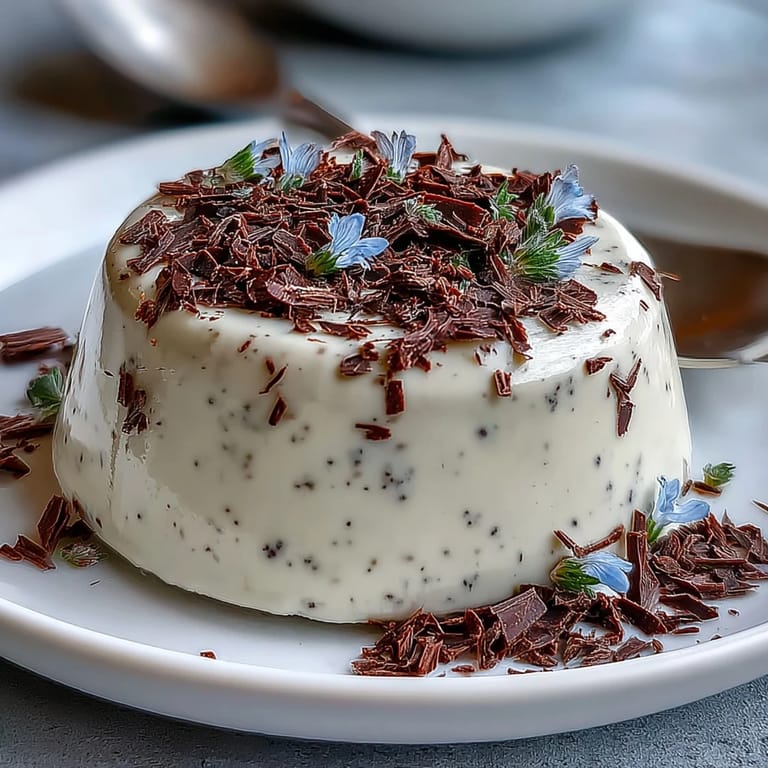
- Run a thin knife around the edges if you're unmolding, or simply serve directly in the glass—honestly, both look beautiful, and serving in glass saves you from the small anxiety of getting it onto a plate perfectly.
 Save
Save There's something about serving a homemade panna cotta that shifts the entire mood of a meal—suddenly you're not just eating dessert, you're participating in someone's care and attention. I noticed my guests slowed down, actually tasted each spoonful instead of rushing through, and that small shift made the whole evening feel different.
The Art of the Perfect Steep
Hojicha is already roasted, which means its flavor is delicate and complex—too short a steep and you miss the depth, too long and it turns slightly bitter and one-note. I learned to think of steeping like having a conversation: you wait for the good part to emerge naturally instead of forcing it. Once you nail your personal perfect steep time, you'll recognize that exact moment when the aroma shifts from sharp to enveloping, and that's your signal to strain.
Temperature Matters More Than You'd Think
The entire texture of panna cotta hinges on respecting the gentle heating process—rushing it with high heat creates tiny bubbles that make the final texture grainy instead of silky. I discovered this by being impatient one afternoon, and the texture was noticeable enough that I made a mental note forever. Now I use medium-low heat consistently and actually enjoy those few quiet minutes while it warms.
Serving and Storing for Maximum Impact
Panna cotta is actually forgiving for entertaining because you can make it a full day ahead, leaving you free to focus on everything else. The flavor actually deepens slightly after a night in the refrigerator, so that's a bonus discovery I made by accident.
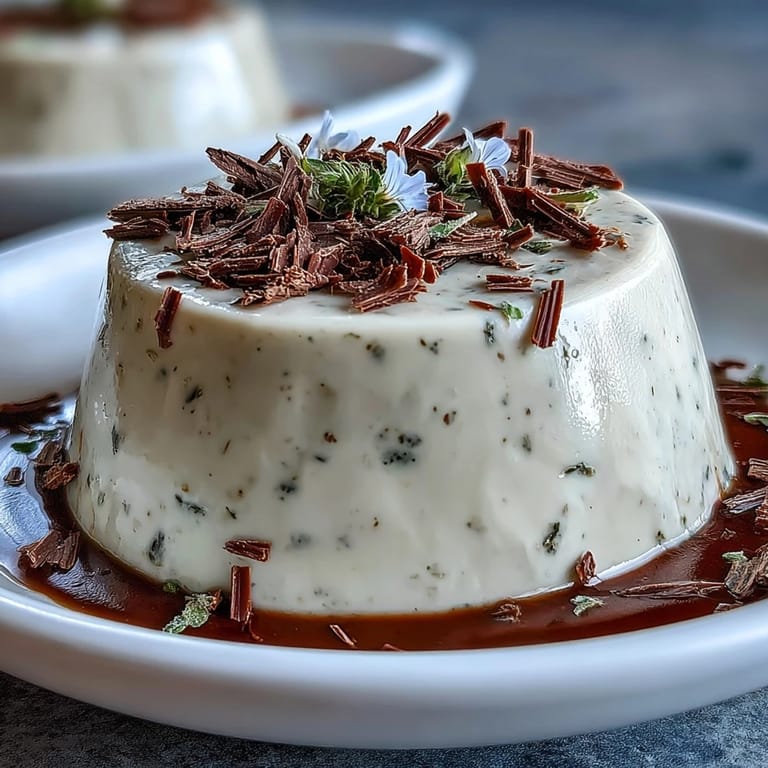
- Unmold just before serving if you want that dramatic presentation, or keep them in glasses for a more casual, honest aesthetic.
- Garnishes are your moment to play—a small dollop of whipped cream and a whisper of shaved chocolate is all you need, or go bold with edible flowers if you're feeling it.
- If you're making it days ahead, keep it covered in plastic wrap to prevent it from absorbing fridge flavors, which absolutely happens and is worth protecting against.
 Save
Save This dessert became my answer to the question of how to end a meal with elegance and intention. Every time I make it, I'm reminded that sometimes the most sophisticated moments come from simple ingredients treated with respect and care.
Recipe FAQs
- → What makes hojicha different from regular green tea?
Hojicha is roasted green tea that has been roasted over charcoal, giving it a distinctive nutty, caramel-like flavor with lower caffeine content compared to unroasted green teas. This roasting process creates deep, earthy notes that pair beautifully with rich dairy desserts.
- → Can I prepare this in advance?
Absolutely! This dessert actually improves after chilling for several hours. You can prepare it up to 2 days in advance, covering the ramekins with plastic wrap once cooled. The flavors continue to develop during refrigeration, making it perfect for entertaining.
- → How do I know when the gelatin is fully dissolved?
The gelatin is fully dissolved when you no longer see any granules in the warm cream mixture. Whisk thoroughly for 1-2 minutes after adding the bloomed gelatin. If unsure, rub a small amount between your fingers - it should feel completely smooth.
- → What can I use if I don't have ramekins?
Any small serving vessels work beautifully - wine glasses, mason jars, or even small tea cups create an elegant presentation. Serving directly in glasses eliminates the unmolding step and looks sophisticated with the visible layers.
- → Can I make this vegan?
Yes! Substitute the heavy cream and whole milk with full-fat coconut cream and coconut milk. Replace the powdered gelatin with agar-agar powder, using about 1 teaspoon dissolved in the liquid. The result will be slightly firmer but equally delicious.
- → Why strain the mixture after steeping?
Straining removes the tea leaves and any gelatin clumps, ensuring a perfectly smooth texture. Pressing gently on the leaves extracts maximum flavor while keeping sediment out. This step is crucial for achieving the signature silky finish of panna cotta.