 Save
Save The first time I really understood satay sauce was sitting at a wooden table under string lights in Jakarta, watching a vendor stir a small pot of this glossy, fragrant mixture with the kind of focus a jeweler might give a delicate piece. She'd been making it the same way for twenty years, she told me, and when I asked her secret, she just smiled and said it was all about the moment when the peanut butter stops fighting the coconut milk and they finally become friends. I've been chasing that moment ever since, and this version gets me there every single time.
I made this for my neighbor last summer when he brought over fresh satay skewers from a pop-up market, and watching his face when he dipped one in my sauce was the kind of small kitchen victory that stays with you. He asked for the recipe immediately, then admitted he'd been too intimidated to make it himself because he thought satay sauce required some kind of ancient culinary secret. It doesn't, I told him, handing him a spoon to taste the raw peanut butter and coconut milk before the spices go in, so he could see how the humble parts become magic.
Ingredients
- Creamy peanut butter (¾ cup): Use unsweetened and unsalted if you can find it, because the sauce seasons itself and you don't want competing salt voices; I learned this the hard way when I grabbed the salted version in a hurry.
- Coconut milk (1 cup): Full-fat is non-negotiable here—it's what makes the sauce silky instead of thin, and the fat carries all those spice flavors like a good host carries a conversation.
- Soy sauce (2 tablespoons): This is your umami backbone, the depth that makes people wonder what you put in it; tamari works beautifully if you need gluten-free.
- Fresh lime juice (2 tablespoons): Squeeze it yourself if possible because bottled lime juice tastes like an apology, and this sauce deserves brightness that feels alive.
- Brown sugar or palm sugar (1 tablespoon): It rounds out the heat from the spices and the salt from the soy, creating a gentle push and pull that feels balanced.
- Garlic clove, minced (1): Fresh garlic is essential; it adds a sharp note that keeps the sauce from tasting one-dimensional and heavy.
- Ground coriander (½ teaspoon): This spice is the one nobody notices but everyone misses if it's gone, a subtle warmth that whispers rather than shouts.
- Ground cumin (½ teaspoon): Cumin and coriander together are the signature of Indonesian cooking, earthy and slightly sweet in a way that feels familiar even if you've never tasted it before.
- Chili flakes (¼ teaspoon): Start conservative and taste as you go; heat is easy to add but impossible to take back.
- Salt (¼ teaspoon): Add this with intention because soy sauce already brings salt to the party, and you're just making sure everyone hears each other.
- Fish sauce, optional (1 teaspoon): If you're not vegetarian, this adds a savory depth that makes people ask what that incredible thing is you did; if you skip it, the sauce is completely complete without it.
- Water (2 tablespoons as needed): Keep this on hand for thinning because sauce thickness is personal, and what feels perfect to me might be too thick for your skewers.
Tired of Takeout? 🥡
Get 10 meals you can make faster than delivery arrives. Seriously.
One email. No spam. Unsubscribe anytime.
Instructions
- Build the creamy base:
- Pour the peanut butter and coconut milk into a small saucepan over medium heat, then whisk them together slowly until you can't see any peanut butter streaks anymore. This step takes longer than you'd think it should, but patience here means a smooth sauce instead of lumpy regret.
- Wake up the spices:
- Add soy sauce, lime juice, brown sugar, minced garlic, coriander, cumin, chili flakes, and salt all at once, then stir with intention for about thirty seconds so everything gets acquainted. You'll start to smell something incredible happening, and that's exactly the moment you know you're on the right track.
- Coax out the gloss:
- Let the mixture come to a gentle simmer—you want small bubbles around the edges, not an aggressive boil—and stir it every minute or so while it cooks for three to five minutes. The sauce will thicken slightly and develop a glossy sheen that makes it look like it's been made by someone who knows what they're doing.
- Taste and recalibrate:
- This is where the sauce becomes yours instead of someone else's recipe. Add more lime juice if it needs brightness, more sugar if the spices feel too forward, or more chili flakes if you want heat that lingers.
- Adjust the thickness:
- If your sauce looks thicker than you want, whisk in water one tablespoon at a time until it reaches that perfect drizzle consistency that clings to a skewer without pooling on the plate.
- Finish and cool slightly:
- Remove from heat and stir in fish sauce if you're using it, then let the sauce sit for a few minutes so it comes down to a temperature where it won't burn your mouth the first time you taste it.
 Save
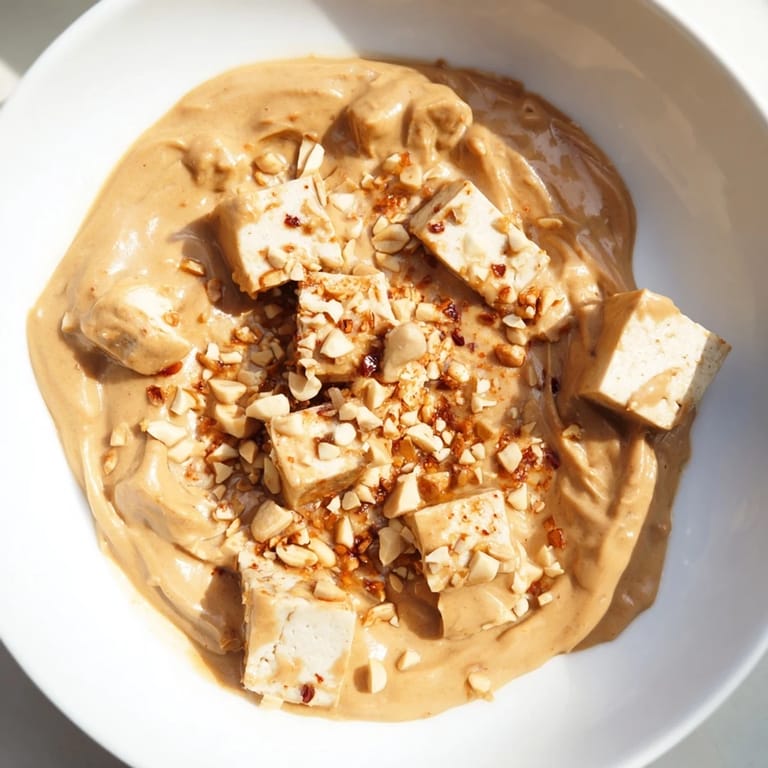
Save There's a moment when I serve this sauce that I love more than I probably should—it's when someone takes that first dip and their eyes get a little wider, and they say something like 'wait, did you make this?' as if homemade satay sauce is something that only exists in restaurants or dreams. That's when I know the spices have done their job, the peanut butter and coconut milk have made peace with each other, and I've managed to capture that magic from under the string lights in Jakarta.
When to Serve This Sauce
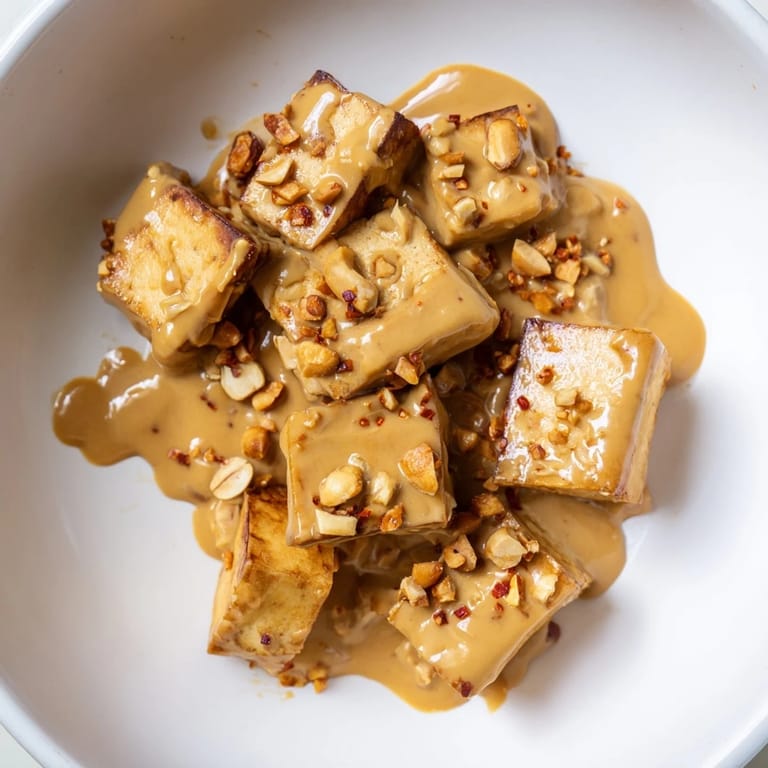
I keep a jar of this in my refrigerator almost always because it's become the shortcut to making any dinner feel special, especially on nights when I'm grilling meat or roasting tofu and I want to elevate it without actually trying very hard. A drizzle over grilled chicken transforms it into something people think took hours, a dollop on crispy fried tofu makes it feel restaurant-worthy, and a small bowl on the side of a simple vegetable platter is the kind of detail that makes guests think you've really got your life together. It's also a genuinely good salad dressing base if you want to thin it with a little lime juice and sesame oil, and I've even used it as a dipping sauce for spring rolls or simply-roasted vegetables.
How to Store and Reheat
This sauce keeps for five days in a container in your refrigerator, and honestly, I think it tastes even better after a day because all the flavors have had time to get to know each other. When you're ready to eat it again, you can reheat it gently in a small saucepan over low heat or even just let it sit at room temperature for twenty minutes while you prepare your skewers or vegetables, stirring occasionally. If it's thickened too much in the fridge, whisk in a little water or even a splash of coconut milk to bring it back to that perfect consistency.
Variations and Customizations
The beauty of this sauce is that it's forgiving enough to bend to your preferences and adventurous enough that little changes become improvements instead of mistakes. Some people like to add a tablespoon of crushed roasted peanuts at the end for texture, which I absolutely understand, and others finish it with a tiny splash of sesame oil for an extra layer of toasted flavor. If you want it spicier, fresh red chilies minced fine give you heat with a brighter flavor than chili flakes alone, and I've experimented with using sriracha in place of some of the chili flakes when I wanted something with more character and a little kick of garlic.
 Save
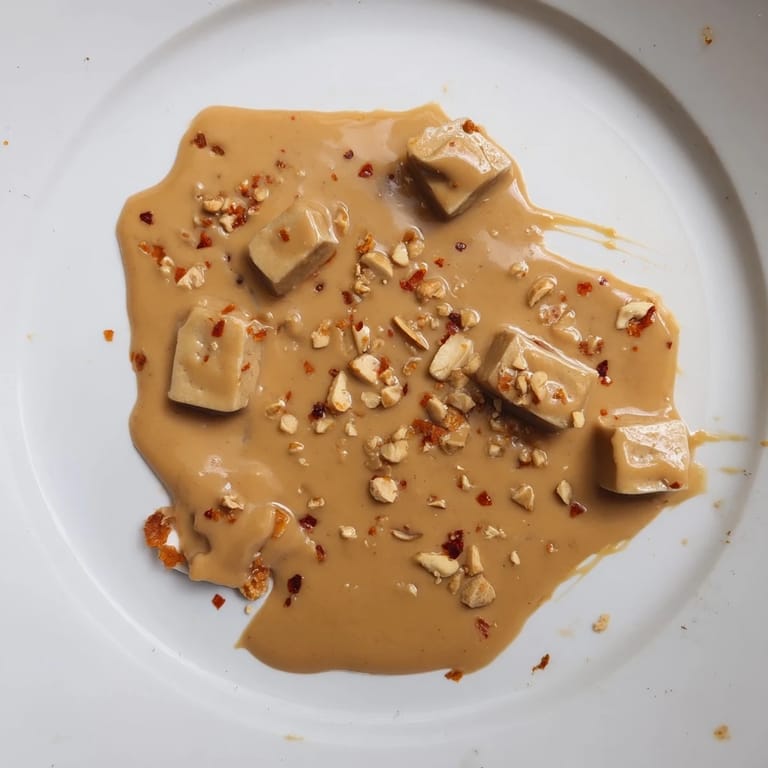
Save There's something deeply satisfying about making a sauce that tastes like it comes from somewhere specific, somewhere with history and sun and people who've been perfecting it for generations. When you nail this one, you're not just making a condiment; you're creating the kind of thing that makes people slow down and really taste what they're eating.
Recipe FAQs
- → What are the key ingredients in this sauce?
The sauce features creamy peanut butter, coconut milk, lime juice, soy sauce, brown sugar, garlic, and fragrant spices like coriander, cumin, and chili flakes.
- → Can this sauce be made gluten-free?
Yes, by using gluten-free soy sauce alternatives such as tamari or coconut aminos, the sauce remains gluten-free.
- → How is the sauce thickened?
Simmering the mixture gently for 3–5 minutes allows it to thicken and develop a glossy texture.
- → Is there a way to adjust the sauce’s heat level?
Yes, you can increase or reduce chili flakes according to your preferred level of spiciness.
- → How should the sauce be stored?
Store refrigerated for up to five days and gently rewarm before serving for best flavor and texture.
- → Can fish sauce be added to this sauce?
Fish sauce is optional and can be stirred in after cooking to add a savory depth, suitable for non-vegetarian variations.