 Save
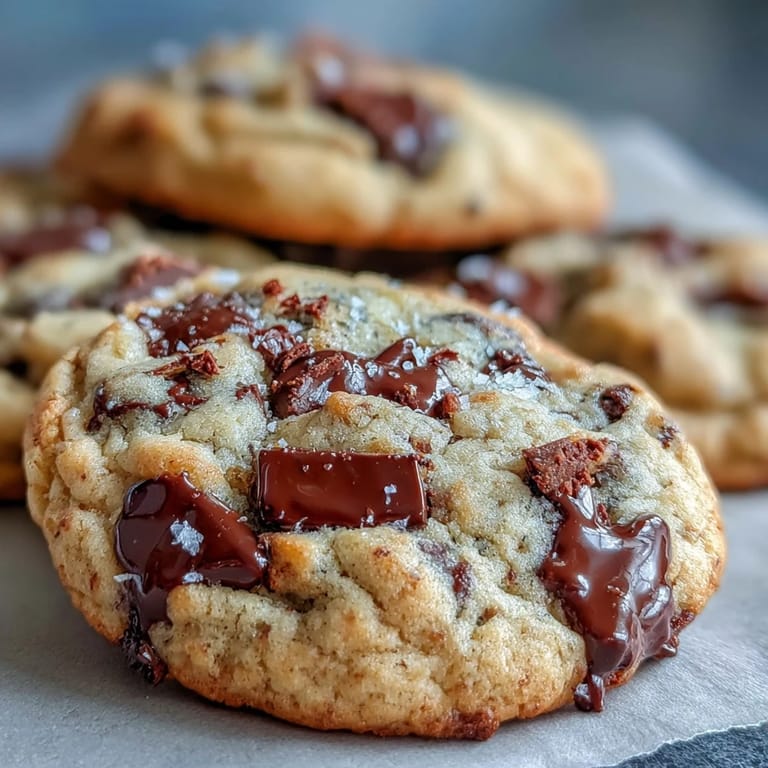
Save Last March, my neighbor knocked on the door with a bottle of Irish cream in one hand and a mischievous grin on the other, asking if I could turn it into something edible by evening. I'd never thought to bake with liqueur before, but standing in my kitchen with warm butter and brown sugar already creaming together, something clicked—why not? Those first batch of cookies turned out impossibly soft and complex, tasting like a dessert and a celebration had somehow merged into one. Now they're the first thing I make when spring arrives.
My daughter came home from school one St. Patrick's Day afternoon, and instead of the usual green-dyed everything, I handed her one of these cookies with a glass of milk. She bit in, made a face like she was trying to figure out if she liked it, then asked for three more. That's the moment I knew I'd found something special—not because it was festive, but because it tasted grown-up and fun at the same time.
Ingredients
- All-purpose flour (2 1/4 cups): The foundation that keeps these cookies tender rather than cakey—don't sift unless you want them denser than intended.
- Baking soda (1/2 teaspoon): Just enough to give them lift without making them spread into thin wafers.
- Salt (1/2 teaspoon): A small but crucial amount that makes the chocolate flavor pop and balances the sweetness.
- Unsalted butter (3/4 cup, softened): Room temperature butter is non-negotiable—cold butter won't cream properly and you'll end up with dense cookies instead of chewy ones.
- Brown sugar (3/4 cup packed): This is where the moisture and chewiness come from, so pack it down when measuring.
- Granulated sugar (1/4 cup): White sugar helps with spread and structure while brown sugar keeps things soft.
- Eggs (2 large): They bind everything together and create that slight fudgy center when you don't overbake.
- Irish cream liqueur (1/4 cup): Use actual Irish cream like Baileys—cheap substitutes will make the dough separate and never come back together.
- Pure vanilla extract (1 teaspoon): Don't skip this even though you're using liqueur; vanilla amplifies and smooths out the chocolate flavor.
- Semisweet chocolate chips (1 1/2 cups): Choose a brand you actually enjoy eating straight from the bag because that's the quality you're putting into your cookies.
- Pecans or walnuts (1/2 cup chopped and toasted, optional): Toasting them first releases their oils and makes them taste almost buttery, which changes everything.
Tired of Takeout? 🥡
Get 10 meals you can make faster than delivery arrives. Seriously.
One email. No spam. Unsubscribe anytime.
Instructions
- Heat up your oven and prepare:
- Preheat to 350°F and line your baking sheets with parchment paper—this step takes two minutes but saves you from burnt bottoms. If you skip parchment and use bare sheets, the cookies will stick and you'll spend ten minutes scraping.
- Mix the dry ingredients together:
- Whisk flour, baking soda, and salt in a medium bowl until they're evenly combined. This distributes the leavening agent so every cookie rises the same way.
- Cream the butter and sugars:
- Beat them together for about two minutes until the mixture looks pale and fluffy—this is when you know you've incorporated enough air. If it still looks wet and dark, keep going.
- Add the wet ingredients:
- Crack in both eggs, pour in the Irish cream liqueur, and add vanilla extract, then beat until everything is smooth and combined. The mixture might look slightly separated at first, but keep beating and it will come together.
- Combine wet and dry carefully:
- Pour the dry mixture into the wet ingredients and mix just until you don't see streaks of flour anymore—overmixing here is what turns cookies tough and tough cookies are the saddest cookies. Stop the mixer as soon as everything is incorporated.
- Fold in the good stuff:
- Add chocolate chips and nuts with a spatula or wooden spoon, stirring just until they're distributed. The dough should be slightly sticky and smell like chocolate and booze, which is exactly how you know you're on the right track.
- Scoop and space:
- Drop rounded tablespoons of dough onto your prepared sheets, leaving about two inches between each one because they'll spread slightly. If you pack them too close, they'll bake into one giant cookie monster instead of individual treats.
- Bake until golden:
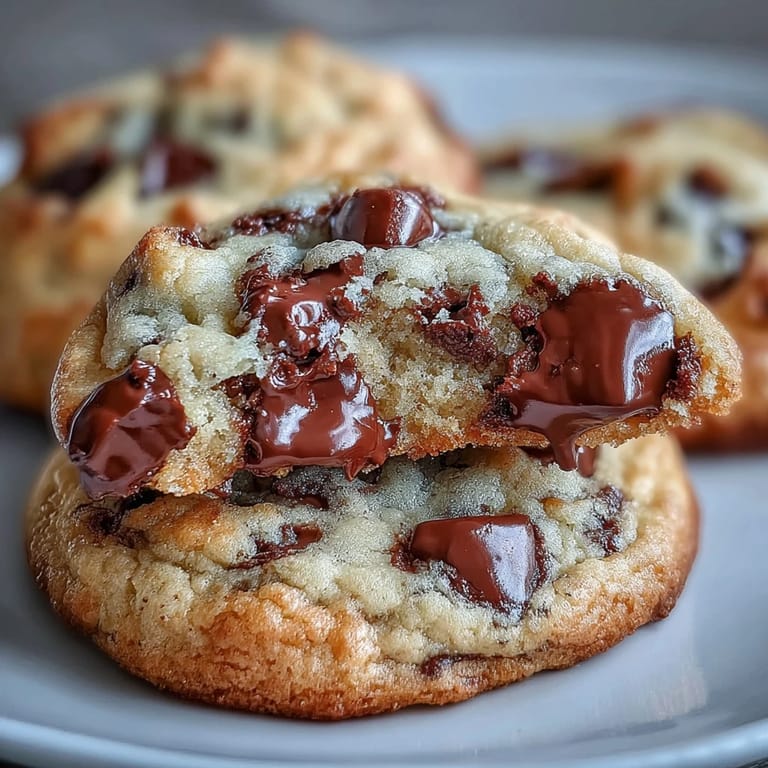
- Bake for 11 to 13 minutes—at 11 minutes they'll be softer, at 13 they'll be a bit more set—until the edges are golden brown but the centers still look slightly underbaked. This is the secret to chewy cookies; they keep cooking as they cool.
- Cool properly:
- Let them sit on the baking sheet for exactly three minutes so the bottoms can set, then transfer to a wire rack. If you move them too soon they'll fall apart; if you wait too long they'll stick to the pan and you'll be prying them off with a spatula.
 Save
Save One winter evening, I brought a tin of these cookies to my sister's book club, and they disappeared so fast I barely got one for myself. Someone asked for the recipe before the meeting even started, and another person wanted to know if I could make them alcohol-free for her kids. That's when it hit me that these cookies had moved beyond just being delicious—they'd become something people asked about and remembered.
The Irish Cream Factor
Baking with liqueur is less about being fancy and more about flavor layering—the Irish cream adds this subtle warmth and depth that makes people taste something different without being able to pinpoint what it is. The alcohol mostly burns off in the oven, leaving just the creamy, slightly vanilla-forward notes behind. It's like having an extra ingredient that whispers rather than shouts, which is exactly how you want a cookie to taste.
Why These Cookies Stay Soft
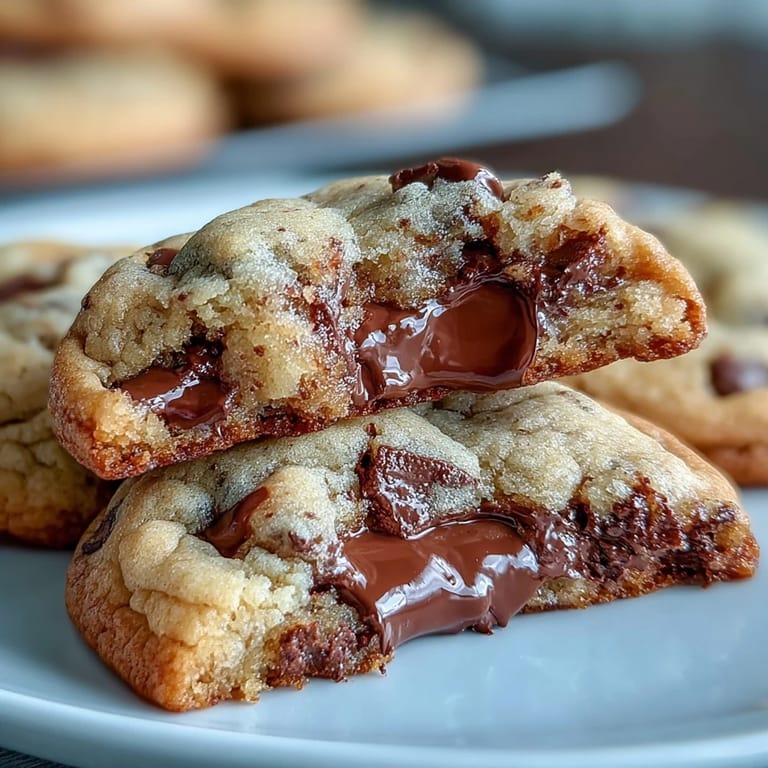
The trick isn't some magical technique—it's the ratio of brown sugar to white sugar and the fact that you're not overbaking them. Brown sugar holds moisture because of its molasses content, so every bite stays tender hours after baking. The underbaked center also plays a role; those still-soft centers keep the whole cookie from drying out as it sits in a container over the next few days.
Variations and Storage
These cookies are forgiving enough to experiment with—white chocolate chips swap in beautifully if you want something lighter, and dried cherries or cranberries add a tartness that plays well against the chocolate. Some people sprinkle green sanding sugar on top before baking for a St. Patrick's Day moment, and honestly, it looks lovely and tastes slightly sweet without being overdone. The cookies freeze wonderfully for up to two months, so you can make a double batch on a lazy afternoon and have homemade treats ready whenever you need to impress someone.
- Let frozen dough thaw at room temperature for five minutes before baking—cold dough takes longer and spreads unevenly.
- Store cooled cookies in an airtight container with parchment between layers so they don't stick together.
- Bring frozen baked cookies to room temperature for thirty minutes and they'll taste almost as good as fresh.
 Save
Save These cookies taste like a small celebration, the kind you don't need a holiday to justify making. They're proof that sometimes the best recipes come from someone handing you an ingredient on a Tuesday and asking what you can do with it.
Recipe FAQs
- → What type of chocolate works best?
Semisweet chocolate chips provide a balanced sweetness that complements the Irish cream without overpowering it.
- → Can I add nuts to the dough?
Yes, folded-in toasted pecans or walnuts add a pleasant crunch and enhance the flavor profile.
- → How do I keep the cookies soft?
Avoid overbaking; remove cookies when edges are golden but centers remain slightly soft for a chewy texture.
- → Is Irish cream liqueur necessary?
It imparts signature flavor and moisture, but you can substitute with an equal amount of vanilla milk or cream for a milder taste.
- → How should I store leftover cookies?
Store in an airtight container at room temperature for up to a week, or freeze for longer freshness.