 Save
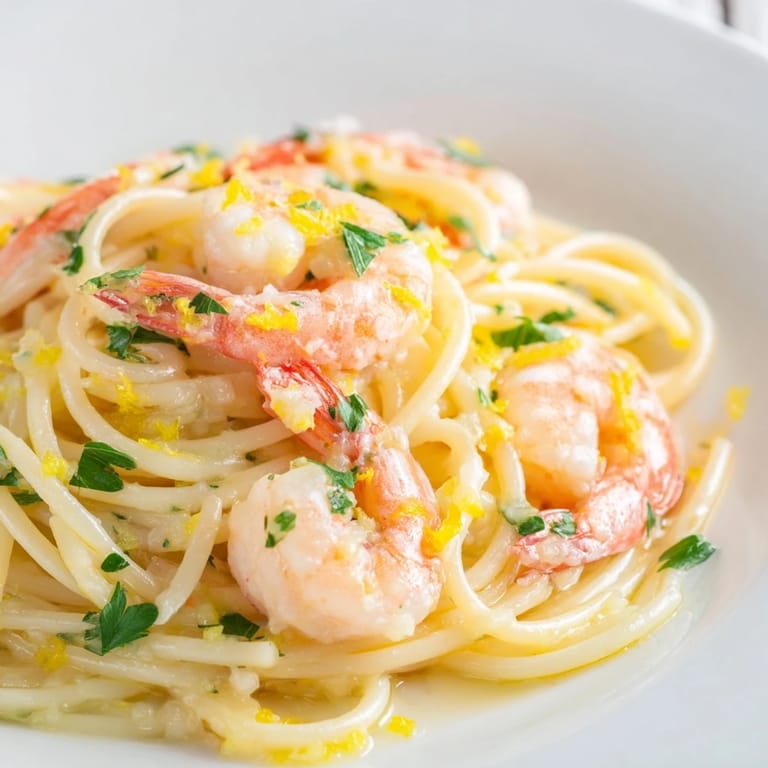
Save My weeknight pasta game changed completely the evening I came home late with a pound of shrimp thawing in the fridge and nothing planned. I stood at the stove, half-distracted, tossing garlic into melted butter, and the smell alone made me pause. By the time I squeezed lemon over sizzling shrimp, I realized I'd stumbled into something that tasted like effort but took almost none. Now it's the dish I make when I want to feel like I'm treating myself without the fuss.
I made this for my sister once after she had a terrible day at work, and she barely spoke until halfway through her bowl. Then she looked up and said it tasted like summer on the coast, which felt like the highest compliment. I've since learned that lemon and garlic have that effect. They wake up a dish in ways that feel generous and alive, even on the grayest Tuesday.
Ingredients
- Large shrimp, peeled and deveined (450 g / 1 lb): Look for shrimp that smell like the ocean, not fishy or sharp, and pat them very dry before cooking so they sear instead of steam.
- Spaghetti (340 g / 12 oz): Any long pasta works here, but spaghetti twirls up the garlicky sauce beautifully and doesn't need anything fancy.
- Unsalted butter (60 g / 4 tbsp): This adds richness and helps the lemon cling to every strand of pasta without making the sauce greasy.
- Extra-virgin olive oil (2 tbsp): It keeps the butter from burning and adds a fruity backbone that balances the brightness of the lemon.
- Garlic cloves, minced (4): Fresh garlic is non-negotiable here, it blooms in the butter and becomes sweet and fragrant, not harsh.
- Lemon zest and juice (1 large lemon): Zest first, then juice, the zest carries essential oils that make the whole dish smell incredible.
- Dry white wine (60 ml / 1/4 cup, optional): A splash adds acidity and depth, but chicken broth works if you'd rather skip the wine.
- Crushed red pepper flakes (1/4 tsp): Just enough to warm the back of your throat without overwhelming the lemon.
- Salt and black pepper: Season the shrimp, the pasta water, and taste the sauce at the end, it needs more than you think.
- Fresh parsley (2 tbsp, chopped): This isn't just a garnish, it adds a fresh, grassy note that cuts through the richness.
- Parmesan cheese (optional): A little grated over the top adds a nutty, salty finish that makes it feel more complete.
- Lemon wedges for serving: Always serve extra lemon on the side, some people love an extra squeeze at the table.
Tired of Takeout? 🥡
Get 10 meals you can make faster than delivery arrives. Seriously.
One email. No spam. Unsubscribe anytime.
Instructions
- Boil the pasta:
- Bring a large pot of heavily salted water to a rolling boil and cook the spaghetti until al dente, with a slight bite in the center. Before draining, scoop out half a cup of the starchy pasta water, it's the secret to a sauce that clings instead of puddles.
- Prep the shrimp:
- While the pasta bubbles away, pat the shrimp completely dry with paper towels and season them lightly with salt and pepper. Dry shrimp sear beautifully and won't make the pan watery.
- Sear the shrimp:
- Heat a large skillet over medium-high with a tablespoon each of olive oil and butter until shimmering. Lay the shrimp in a single layer and let them cook undisturbed for about a minute per side until they turn pink and slightly golden at the edges, then transfer them to a plate.
- Build the garlic base:
- Lower the heat to medium and add the remaining oil and butter to the same skillet. Toss in the minced garlic and stir constantly for about a minute until it smells toasty and fragrant but hasn't browned.
- Add the lemon and wine:
- Stir in the lemon zest, lemon juice, white wine if using, and red pepper flakes, then let it simmer for a few minutes until it reduces slightly and smells bright and tangy. The alcohol will cook off and leave behind just the flavor.
- Return the shrimp:
- Add the cooked shrimp back into the skillet along with any juices that collected on the plate. Toss everything together so the shrimp get coated in that lemony, garlicky goodness.
- Toss with pasta:
- Add the drained spaghetti directly into the skillet and toss vigorously with tongs, adding splashes of reserved pasta water as needed to create a silky, glossy sauce that coats every strand. The starch in the water is what makes it all come together.
- Season and finish:
- Taste and adjust with more salt and black pepper, then remove from the heat and shower with chopped parsley and Parmesan if you like. Serve immediately with lemon wedges on the side for anyone who wants an extra hit of brightness.
 Save
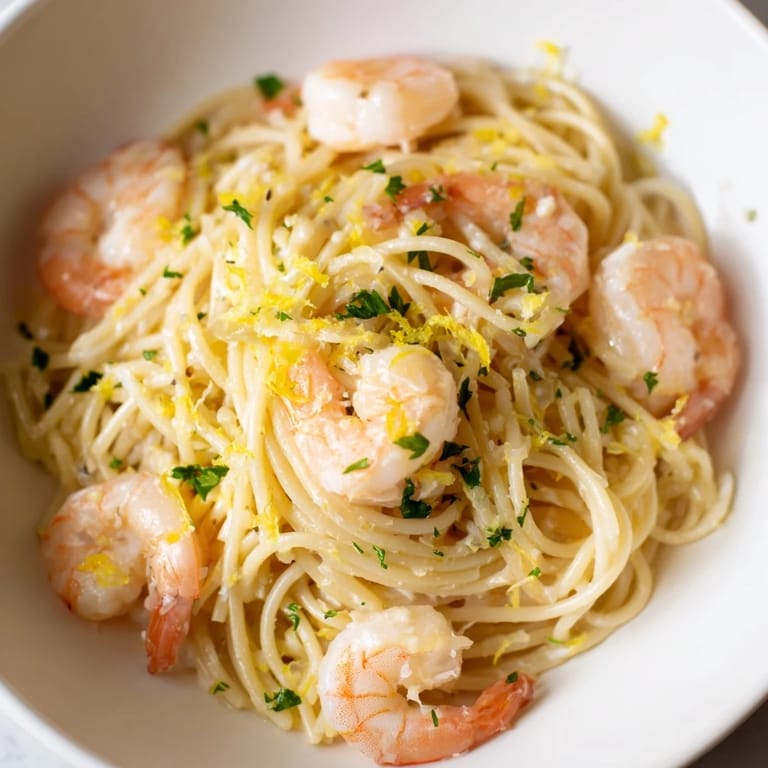
Save The first time I served this to friends, someone asked if I'd taken a cooking class. I laughed because I'd thrown it together in less time than it took them to open the wine. But that's the magic of shrimp and lemon, they make you look like you tried harder than you did. It's become my go-to when I want to show up for people without spending all night in the kitchen.
Choosing and Preparing Shrimp
I used to buy whatever shrimp was on sale until I learned that size and freshness actually matter. Large shrimp (about 16 to 20 per pound) are ideal here because they stay juicy and don't overcook in seconds like smaller ones. If you can, buy them already peeled and deveined to save time, but if you're doing it yourself, use kitchen shears to snip down the back and rinse out the dark vein under cold water. Fresh shrimp should smell clean and briny, never ammonia-like, and if you're using frozen, thaw them in the fridge overnight or under cold running water for about 15 minutes before patting them bone-dry.
Getting the Sauce Just Right
The sauce in this dish is deceptively simple, just butter, oil, garlic, lemon, and a splash of wine, but the technique is everything. I learned the hard way that adding cold pasta to a cold skillet results in a greasy, broken sauce that never quite comes together. Instead, keep the heat on medium after you've added the lemon and wine, then toss the hot pasta directly into the skillet with a few splashes of pasta water. The starch in that water acts like glue, emulsifying the fat and acid into a glossy, cohesive coating. If it looks too thick, add more pasta water a tablespoon at a time. If it's too thin, let it sit off the heat for a minute and toss again, it will tighten up as it cools.
Make It Your Own
This recipe is a template that welcomes improvisation. I've stirred in handfuls of baby spinach right before tossing the pasta, and the residual heat wilts it perfectly. Cherry tomatoes, halved and thrown in with the garlic, add pops of sweetness and color. If you want it creamier, swirl in a couple tablespoons of mascarpone or cream cheese at the end. For extra depth, a teaspoon of anchovy paste melted into the garlic will add umami without tasting fishy. And if you're out of white wine, a squeeze of extra lemon juice or a splash of chicken stock works just fine.
- Try adding a handful of arugula for peppery bite and color.
- Swap spaghetti for linguine, angel hair, or even gluten-free pasta without changing a thing.
- Finish with a drizzle of good olive oil and flaky sea salt for a restaurant-style touch.
 Save
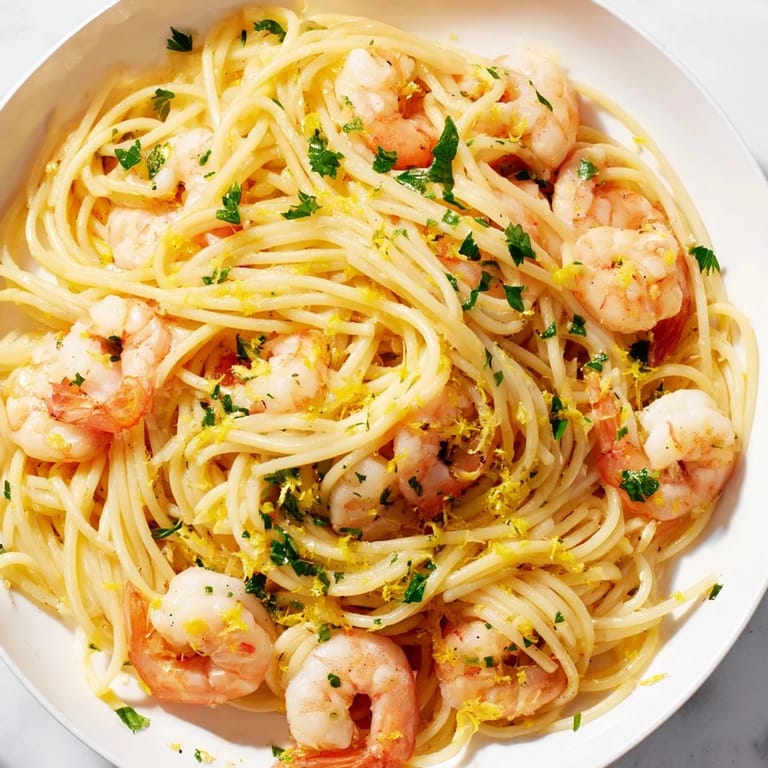
Save This dish has a way of making ordinary nights feel a little special, like you paused long enough to care about what you put on the table. I hope it does the same for you, whether you're feeding a crowd or just yourself after a long day.
Recipe FAQs
- → How do I prevent the shrimp from becoming rubbery?
Pat the shrimp dry before cooking and avoid overcrowding the skillet. Cook over medium-high heat for just 1–2 minutes per side until they turn pink and opaque. Remove them immediately and set aside, then return them to the pan at the end with the pasta.
- → Can I use frozen shrimp?
Yes, frozen shrimp works well. Thaw them completely in the refrigerator overnight or under cold running water, then pat dry thoroughly before cooking to ensure even browning and prevent excess moisture in the pan.
- → What if I don't have white wine?
White wine is optional and can be easily substituted with chicken or vegetable broth for a similar depth of flavor, or simply omitted entirely. The lemon juice provides enough acidity and brightness to the sauce.
- → How do I achieve the silky sauce consistency?
Reserve about half a cup of the starchy pasta cooking water and add it gradually to the skillet as you toss the spaghetti with the sauce. The starch emulsifies with the butter and oil, creating a luxurious, clingy coating rather than a watery dish.
- → Can I make this dairy-free?
Absolutely. Replace the butter with additional extra-virgin olive oil in equal amounts, and omit the Parmesan cheese or use a dairy-free alternative. The olive oil will create a lighter but still delicious sauce with the same bright lemon and garlic flavors.
- → What wine pairs best with this dish?
A crisp, unoaked white wine like Sauvignon Blanc or Pinot Grigio complements the bright lemon and garlic flavors beautifully. The wine's acidity balances the richness of the butter sauce and the sweetness of the shrimp.