 Save
Save There's something about the smell of lemon zest hitting the air that makes a kitchen feel alive. I stumbled onto these bagels one morning when I was tired of my usual protein routine and wanted something that tasted like sunshine instead of a supplement. The dough came together so easily in my hands, and within an hour I had these golden, pillowy bagels that somehow managed to be both indulgent and genuinely good for me. My partner took one bite and immediately asked if I could freeze a batch, which is how I knew I'd found something special.
I made these for my sister's book club and watched everyone go quiet mid-conversation when they bit into one. The glaze catches the light, the crumb is tender, and that first taste of lemon hits soft instead of sharp. Someone asked for the recipe before the coffee was even refilled, which tells you everything.
Ingredients
- Bread flour (2 cups): This gives you structure and chew, the backbone that makes them actual bagels and not just sweet rolls with holes.
- Vanilla or unflavored whey protein powder (1 cup): The vanilla version blends seamlessly into the dough; if you use unflavored, you won't notice it's there at all.
- Poppy seeds (2 tbsp): They add texture and a subtle nuttiness that somehow makes lemon taste even brighter.
- Baking powder (1 tbsp): This is your leavening agent, especially important since you're adding protein which can make dough dense if you're not careful.
- Fine sea salt (1/2 tsp): Use fine salt so it distributes evenly; coarse salt will create pockets of saltiness.
- Granulated sugar (1/4 cup): Balances the lemon without making these taste like dessert.
- Lemon zest (from 2 lemons): Microplane it fresh right before mixing; zest loses its oils if it sits around, and those oils are where the flavor lives.
- Plain Greek yogurt (1 cup): Low-fat works better here than non-fat, which can make the crumb too dry. The yogurt provides moisture and tang that complements lemon perfectly.
- Large egg (1 for dough): Binds everything together and helps with the structure.
- Fresh lemon juice (1 tbsp for dough): Adds acidity that activates the baking powder and sharpens the lemon flavor.
- Unsalted butter, melted (2 tbsp): Brings richness without making the dough greasy; melted butter distributes more evenly than softened.
- Water and honey for boiling (2 quarts water, 1 tbsp honey): The honey creates a subtle sheen and helps them brown beautifully in the oven.
- Egg wash (1 egg beaten with water): Gives you that glossy, professional-looking finish.
- Powdered sugar, fresh lemon juice, and lemon zest for glaze: Keep the glaze simple so the lemon can shine through.
Tired of Takeout? 🥡
Get 10 meals you can make faster than delivery arrives. Seriously.
One email. No spam. Unsubscribe anytime.
Instructions
- Set your stage:
- Preheat your oven to 375°F and line a baking sheet with parchment. Having everything ready means you won't be scrambling with sticky dough in your hands.
- Build the dry base:
- Whisk together your flour, protein powder, poppy seeds, baking powder, salt, sugar, and lemon zest in a large bowl. Do this slowly so the zest spreads throughout instead of clumping.
- Combine the wet ingredients:
- In a separate bowl, stir together the Greek yogurt, egg, lemon juice, and melted butter until smooth. This should look almost like thick pancake batter.
- Bring it together:
- Pour the wet mixture into the dry ingredients and mix with a wooden spoon until shaggy, then get your hands in there and knead for about 2 to 4 minutes. The dough should be soft and slightly tacky, like it's got a light coat of moisture but isn't sticking to your palms. If it's too dry, add yogurt one tablespoon at a time; if it's too sticky, dust with flour.
- Shape your bagels:
- Divide the dough into 8 equal pieces (a kitchen scale helps here, but your hands are fine too). Roll each piece into a ball, poke your thumb through the center, and gently stretch it into a bagel shape with a hole big enough that it won't close up during cooking.
- Let them breathe:
- Arrange the bagels on your parchment-lined sheet, cover loosely with a clean towel, and let them rest for 15 minutes. This is when the flavors settle and the dough relaxes.
- Prepare the boiling water:
- While the bagels rest, bring 2 quarts of water and 1 tablespoon of honey to a gentle boil in a large pot. The honey adds a subtle sweetness and helps them brown later.
- Boil with care:
- Reduce heat to a simmer, and working in batches so you don't crowd the pot, gently boil each bagel for 30 seconds on each side. They should sink briefly, then float to the top; fish them out with a slotted spoon, let them drip, and return them to the baking sheet.
- Egg wash for shine:
- Brush the cooled bagels with your beaten egg wash. This is what gives them that bakery-quality golden finish.
- Bake until golden:
- Bake for 18 to 22 minutes until they're golden brown and sound hollow when you tap them. They should feel firm on the outside and tender inside.
- Cool before glazing:
- Transfer them to a cooling rack. This keeps the bottoms from getting steamed and soggy.
- Make the glaze:
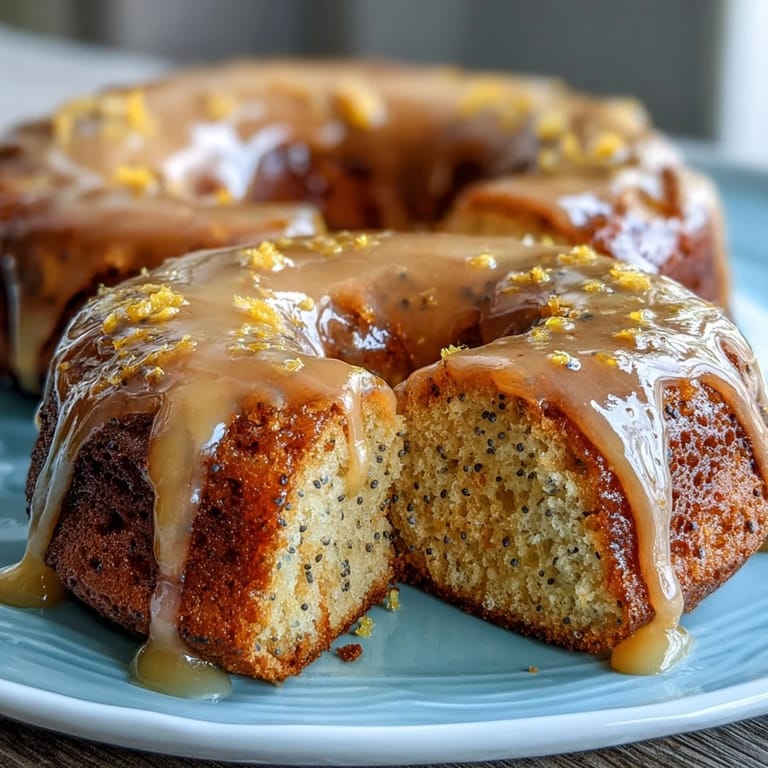
- While they cool, whisk together powdered sugar, fresh lemon juice, and lemon zest. The mixture should be pourable but thick enough to coat the back of a spoon.
- Final touch:
- Drizzle the glaze over the cooled bagels and let it set for a few minutes before serving.
 Save
Save I've made these on mornings when everything felt a little off, and something about the process—the zest, the smell of boiling water, the golden color emerging from the oven—shifted the whole day. Food does that sometimes, especially when it's made with actual attention instead of just calories.
Storage and Keeping
These bagels stay fresh in an airtight container for about 3 days, though honestly they're best on the first day when the crumb is still tender. I freeze mine in batches, wrapping them individually so I can grab one whenever I want a quick breakfast that actually tastes like something. They thaw in about an hour at room temperature, or you can toast them straight from frozen if you're in a hurry and don't mind them being slightly firmer.
Ways to Serve Them
A thin spread of cream cheese is perfect, but I'm also obsessed with them toasted and spread with almond butter and a drizzle of honey. They're equally good plain with just the glaze, which is how I eat them when I'm sitting at the kitchen counter with my coffee and trying to talk myself into the day ahead. Some mornings I slice them and toast them until the crumb is crunchy on the outside and soft inside, and that version tastes like something you'd pay eight dollars for at a café.
Making Them Your Own
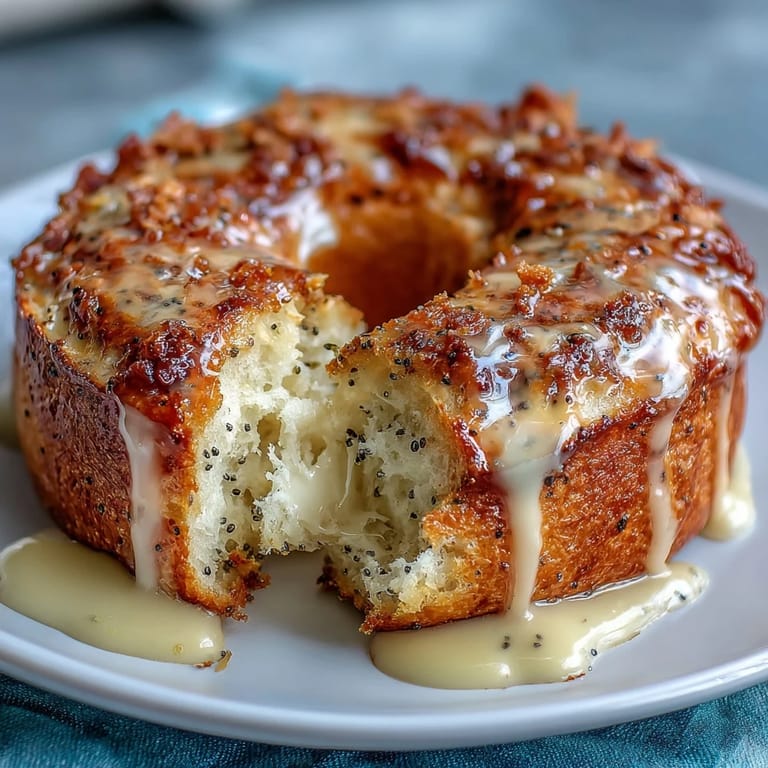
This recipe is flexible in ways that matter. If you want more lemon punch, add a few drops of lemon extract to the dough or mix it into the glaze; the flavor will deepen without tasting artificial. For a dairy-free version, swap the Greek yogurt for a thick coconut or almond yogurt and use olive oil instead of butter. You can also experiment with the poppy seeds—sometimes I use half poppy and half sesame, or skip them entirely and add a teaspoon of vanilla extract instead.
- If your bagels spread instead of holding their shape during boiling, your dough is too warm; let them rest in the refrigerator for 10 minutes before boiling.
- Fresh lemon juice matters more than you'd think; bottled juice tastes metallic and flat by comparison.
- These bagels are forgiving, so don't stress about perfection—slightly irregular shapes taste just as good and look more homemade anyway.
 Save
Save These bagels taught me that healthy eating doesn't have to taste like punishment, and that the simplest ingredients—flour, protein, lemon, and time—can become something that makes people genuinely happy. I hope they do the same thing in your kitchen.
Recipe FAQs
- → What gives these bagels their lemon flavor?
Lemon zest incorporated into the dough and a light lemon glaze provide a fresh, tangy citrus flavor throughout the bagels.
- → How does boiling affect the bagels' texture?
Boiling the bagels briefly in honeyed water firms up the crust and creates the classic chewy interior characteristic of traditional bagels.
- → Can I substitute the protein powder?
Vanilla or unflavored whey protein powder is recommended, but plant-based protein powders may be used carefully, adjusting moisture and texture as needed.
- → What is the purpose of the egg wash?
Brushing the bagels with an egg wash before baking creates a shiny, golden-brown crust that enhances appearance and texture.
- → How long can these bagels be stored?
Bagels stay fresh in an airtight container for up to 3 days and can be frozen for up to 2 months without losing quality.
- → Can I make these bagels dairy-free?
Yes, substituting Greek yogurt with a non-dairy alternative allows for a dairy-free version while maintaining moisture and texture.