 Save
Save The first time I made Safari Stripes, I was stressed about impressing my partner's colleagues at a dinner party. I'd seen something similar at a gallery opening and thought, if they can make food look like art, so can I. The striped pattern seemed intimidating until I realized it was just organized chaos—lines of contrasting colors that somehow made sense together. Twenty minutes later, watching everyone reach for a second piece, I understood that sometimes the most impressive dishes are the ones that look like you spent hours planning, when really you just needed good ingredients and a steady hand.
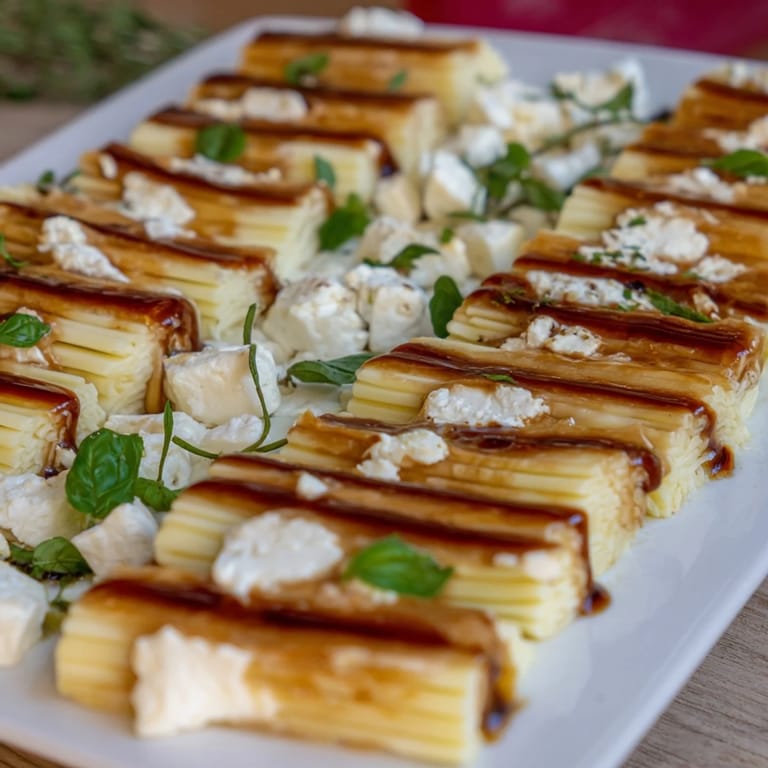
I made this for a small gathering during late September when the weather was just starting to cool and everyone wanted to linger around the kitchen instead of sitting. There's something about arranging food in stripes that turns cooking into a meditative act—each row a small decision, each color a conversation starter. By the time I drizzled the balsamic glaze, my sister was already taking photos, and I realized the platter had become the centerpiece before anyone even tasted it.
Ingredients
- Fresh mozzarella: Buy it the day you're serving this; it's softer and creamier than older packages, which means it won't fight with the cheese slicer.
- Feta cheese: Its tang cuts through the richness of the meat and glaze, but make sure it's firm enough to slice cleanly—softer varieties crumble.
- Beef tenderloin: The most forgiving cut; it stays tender even if you accidentally sear it a bit too long.
- Chicken breast: Pound it slightly before cutting into strips so it cooks evenly and doesn't dry out.
- Balsamic vinegar: Use something you'd actually drink; cheap versions taste one-dimensional and cheap even after reducing.
- Honey: Balances the vinegar's acidity and helps the glaze stick to the warm meat instead of running off the plate.
- Fresh basil: Tear it by hand instead of cutting it; basil bruises easily and hand-torn leaves look more intentional.
Tired of Takeout? 🥡
Get 10 meals you can make faster than delivery arrives. Seriously.
One email. No spam. Unsubscribe anytime.
Instructions
- Start with the glaze:
- Combine the balsamic vinegar and honey in a small saucepan and bring it to a gentle simmer. You'll notice it starts to bubble around the edges, then gradually darkens and becomes glossy as the water evaporates. Let it go for 8–10 minutes, stirring occasionally, until it coats the back of a spoon and looks like liquid velvet.
- Season and sear the meats:
- Pat the beef and chicken strips dry—this is the secret to getting a proper crust instead of steam. Season generously with salt and pepper, then work quickly in a hot skillet with olive oil, giving each piece 1–2 minutes per side. The meat should be golden and just cooked through; pink in the center for beef is welcome, but raw chicken is not.
- Arrange your stripes:
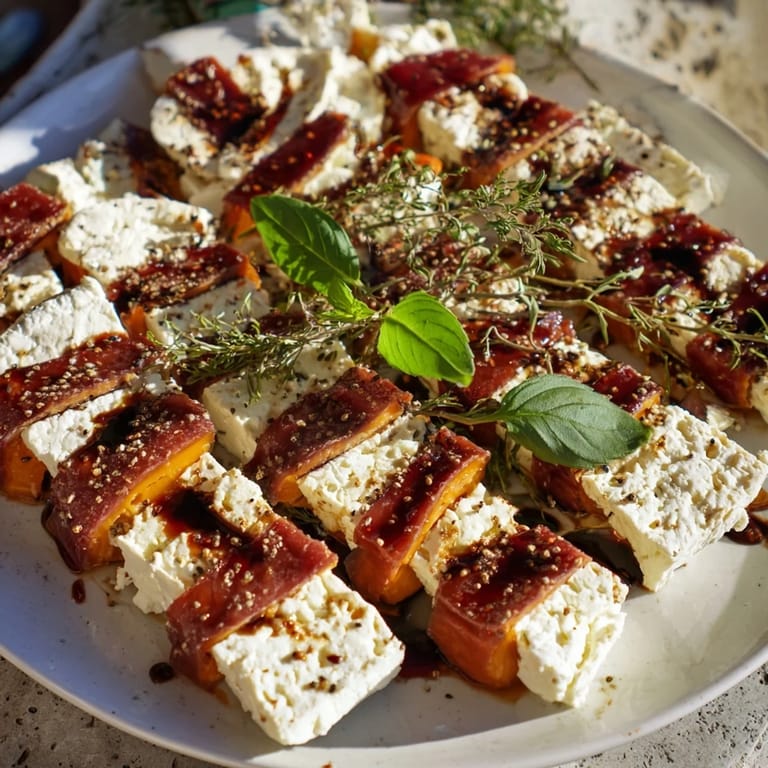
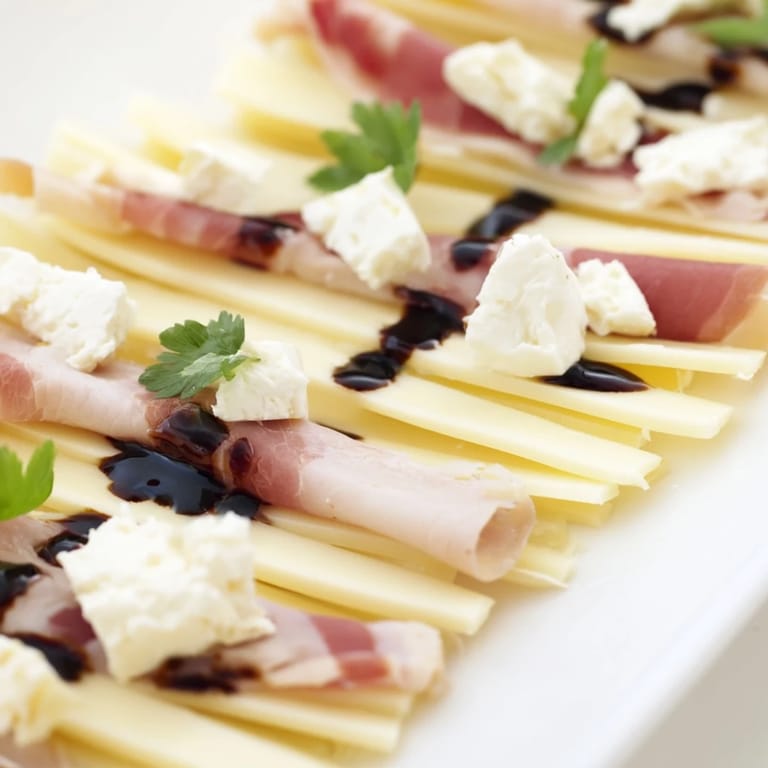
- While the meats cool on a plate, lay out your mozzarella and feta strips on the serving platter in alternating rows. Think of it like a pattern instead of a recipe—there's no wrong arrangement, just whatever looks balanced to your eye. Tuck the cooked meat strips between the cheese in the same pattern, creating visual rhythm.
- Glaze and garnish:
- Drizzle the cooled balsamic glaze over just the meat strips so the cheese stays creamy and pristine. Scatter torn basil leaves across the platter and finish with a generous crack of black pepper for depth and sophistication.
- Serve at the right moment:
- Room temperature is the goal here, which means you can actually make this an hour or two ahead and let it sit until guests arrive. The flavors marry together even better as it sits, and the meat stays tender instead of becoming tough from reheating.
 Save
Save What surprised me most about this dish was how it brought people together in a specific way. Usually appetizers are grabbed and eaten quickly, but Safari Stripes made people pause and actually look at the platter before deciding what to take. One guest told me later that it reminded them of eating with their eyes first, and I realized that's exactly what good entertaining is—feeding all the senses, not just the stomach.
Making It Your Own
The beauty of this recipe is that it's a framework, not a rulebook. I've swapped in prosciutto when I didn't have beef, grilled thin eggplant slices for a vegetarian crowd, and even used burrata instead of mozzarella when I was feeling fancy. The principle stays the same: contrasting colors, contrasting temperatures, one really good glaze to tie everything together. Once you understand what's happening on that platter, you can improvise endlessly based on what looks good at the market that day.
Timing and Strategy
This is a rare appetizer that actually rewards being made ahead. I usually prepare the glaze in the morning, sear the meats an hour or two before guests arrive, and do the final assembly fifteen minutes before serving. That gives everything time to find equilibrium—the glaze soaks slightly into the warm meat, the cheese relaxes against the cool platter, and the flavors stop being separate ingredients and start being a dish. If you're already nervous about entertaining, this one thing comes together calmly and looks like you have everything under control.
Wine and Company
I've served this with crisp Sauvignon Blanc and watched people notice that the wine echoes the balsamic's acidity, making the whole experience feel intentional rather than accidental. A light Pinot Noir works beautifully too, its subtle earthiness complementing the meats without overwhelming the delicate cheeses. The thing about pairing food this simple with wine is that you're not trying to hide anything or overcomplicate the moment—you're just creating a conversation between flavors.
- If you're making this without wine, sparkling water with fresh lemon works surprisingly well to refresh the palate between bites.
- Set the platter out about twenty minutes before serving so the temperature evens out and everything tastes like it was meant to be together.
- Remember that the most memorable part of this dish isn't the individual ingredients—it's the visual impact and the moment people stop to really look before eating.
 Save
Save Safari Stripes taught me that entertaining doesn't have to be complicated to feel special. It's about taking care with simple things and believing that good ingredients, thoughtful arrangement, and a moment of calm before guests arrive can make any gathering feel intentional and warm.
Recipe FAQs
- → How is the balsamic glaze prepared?
Combine balsamic vinegar and honey in a saucepan, simmer for 8–10 minutes until thick and syrupy, then cool before use.
- → Can I substitute the meats in the dish?
Yes, prosciutto or smoked turkey work well as alternatives for a different flavor profile.
- → Is there a vegetarian option?
Grilled eggplant or portobello mushroom strips can replace the meats for a vegetarian-friendly version.
- → What cheeses are used in the dish?
Fresh mozzarella and feta cheese sliced into strips provide creamy and tangy textures.
- → How should the dish be served?
Arrange alternating rows of cheese and meat strips on a platter, drizzle with balsamic glaze, garnish, and serve at room temperature.
- → What wines pair well with this platter?
Light wines like Sauvignon Blanc or Pinot Noir complement these flavors beautifully.