 Save
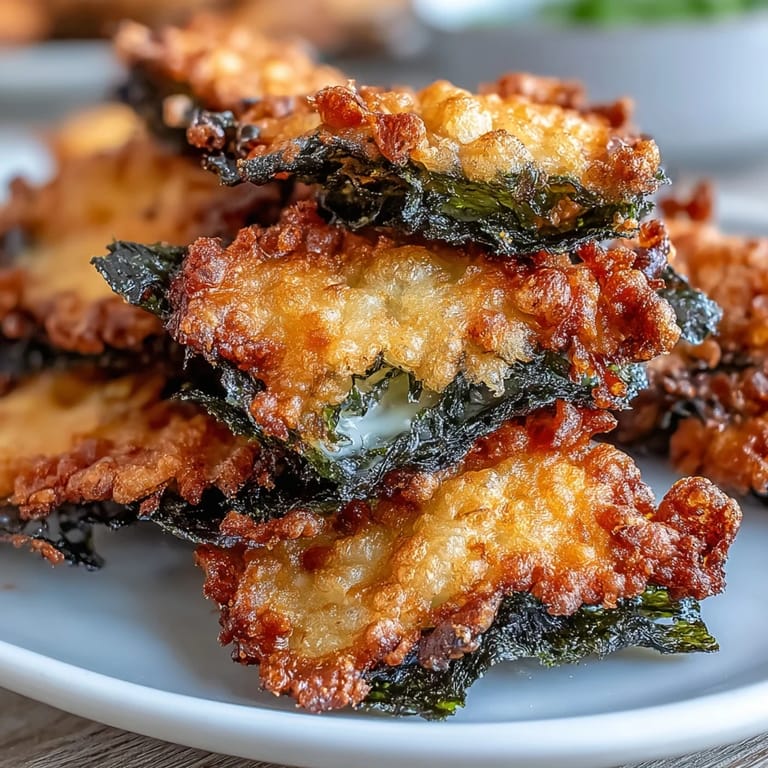
Save My first encounter with seaweed tempura happened at a tiny izakaya tucked behind a Tokyo train station, where an elderly woman in a white apron moved between fryer and counter with the kind of grace that comes from doing something ten thousand times. The moment those crispy, paper-thin nori rectangles hit my plate with a gentle clink, I understood why people queue for this snack—it's all smoke and crunch and umami, gone in seconds but memorable for hours. Years later, I finally cracked the technique in my own kitchen, and it turns out the secret isn't complicated, just respectful: cold batter, hot oil, and the kind of restraint that keeps you from fussing with it once it hits the pan.
I made this for friends during an unseasonably warm evening, setting everything up on my smallest burner while we talked about nothing important. One person ate seven pieces in a row without stopping, just closing their eyes and nodding silently, which is really the highest form of compliment a snack can receive. By the time I plated the final batch, the first batch had been completely devoured, and I was already mentally doubling the recipe for next time.
Ingredients
- Nori sheets (8 large): These are your foundation—look for the darkest, shiniest sheets at the Japanese market, because quality seaweed makes all the difference between something merely crispy and something genuinely unforgettable.
- All-purpose flour (100 g or 3/4 cup): This creates structure in the batter, but don't sift it obsessively; a gentle stir is all you need.
- Cornstarch (30 g or 1/4 cup): The secret weapon for extra crispness, which is why tempura exists at all.
- Baking powder (1/2 tsp): A tiny pinch that adds air pockets to your coating, making it shatter rather than crunch.
- Fine sea salt (1/2 tsp): Season the batter itself so every bite is seasoned through, not just on the surface.
- Ice-cold sparkling water (200 ml or 3/4 cup plus 1 tbsp): This is non-negotiable—the carbonation adds lift, and the cold temperature keeps gluten from developing, which is exactly what you want for something this delicate.
- Egg yolk (1 large, chilled): Keep it in the fridge until the last moment; it binds everything and adds richness without weighing the batter down.
- Neutral oil (500 ml or 2 cups): Canola or sunflower work beautifully, and you want enough that the nori can float freely without touching the pan bottom.
- Soy sauce (3 tbsp): The backbone of your dipping sauce, bringing that savory depth that makes people wonder what they're tasting.
- Mirin (2 tbsp): A touch of sweetness that balances the salt, creating complexity in something so simple.
- Rice vinegar (1 tbsp): Brightness and tang that keeps the sauce from feeling heavy.
- Sugar (1 tsp): Just enough to round out the flavors without making anything taste sweet.
- Toasted sesame oil (1/2 tsp): A small amount goes a long way—this is the ingredient that makes people ask what they're tasting.
- Spring onion (1, finely sliced): Freshness and a gentle bite right at the end of the spoon.
- Sesame seeds (1/2 tsp, optional): A textural garnish that catches light and adds another layer of toasted flavor.
Tired of Takeout? 🥡
Get 10 meals you can make faster than delivery arrives. Seriously.
One email. No spam. Unsubscribe anytime.
Instructions
- Build your dipping sauce first:
- Combine soy sauce, mirin, rice vinegar, and sugar in a small bowl, stirring gently until the sugar dissolves completely—this only takes a minute and you want it cool before the nori hits hot oil. Finish with sesame oil, sliced spring onion, and sesame seeds if you're using them, then let it sit while you handle the frying.
- Cut the nori into pieces:
- Stack all eight sheets and cut each into quarters with a sharp knife or kitchen scissors, giving you 32 pieces that are perfect for one-bite eating. Stack them neatly so they don't scatter all over your prep area.
- Whisk your dry mixture:
- In a bowl, combine flour, cornstarch, baking powder, and salt with a few gentle strokes of your whisk—you're just distributing the ingredients, not aerating. This takes thirty seconds and then you're done with this bowl.
- Make the batter cold and lumpy:
- Chill your egg yolk until you're ready, then beat it very lightly and pour in the sparkling water, stirring just until it's mixed. Add this to your dry ingredients and stir gently with chopsticks or a fork—you want visible lumps and an almost wet texture, because overmixing develops gluten and creates toughness instead of delicate crispness.
- Heat the oil to the right temperature:
- Use a thermometer to reach 180°C (350°F)—this is important because oil that's too cool makes greasy nori, and oil that's too hot burns the outside before the inside gets crispy. If you don't have a thermometer, drop a tiny piece of batter in and watch it sizzle and rise quickly without browning immediately.
- Fry in small batches:
- Dip each nori piece quickly into the batter, let excess drip off, then slide it into the oil where it should bubble and dance immediately. Work in batches of four or five pieces so you're not crowding the pan, and each piece fries for only thirty to forty-five seconds until it's golden and making crackling sounds.
- Drain and serve warm:
- Remove each batch with a slotted spoon and lay them on paper towels for just a minute—they're best eaten while they still have warmth and that impossible crispness. Arrange on a plate and serve with your dipping sauce on the side.
 Save
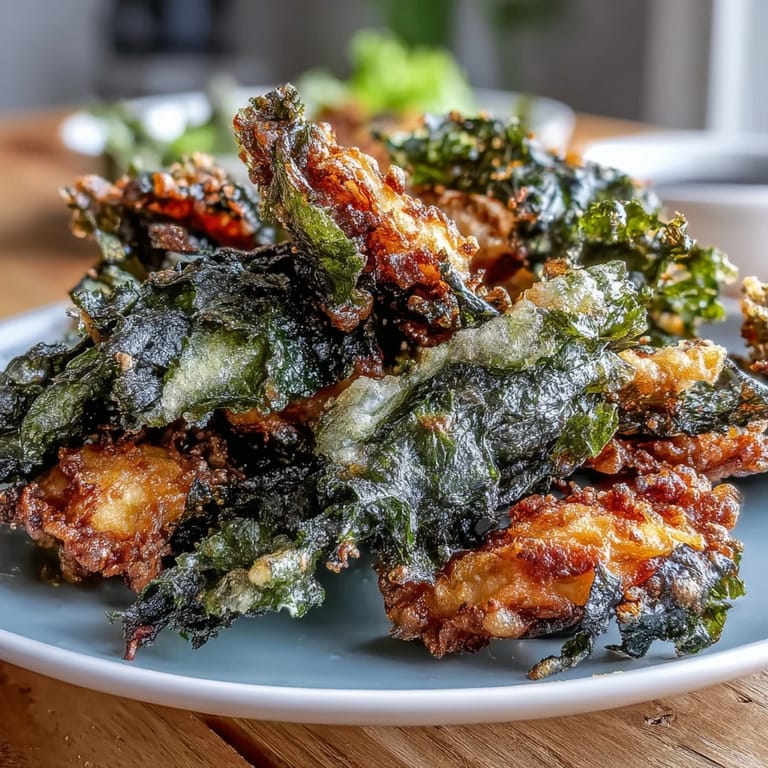
Save There's a moment during the second or third batch when your kitchen fills with that distinctive fried seaweed aroma, and suddenly you understand why this is the snack people order without thinking at restaurants, why it appears on every Japanese menu that takes itself seriously. It's not about technique or ingredients—it's about how something so ephemeral, so delicate that it crumbles between your fingers, can carry so much flavor and satisfaction.
The Temperature Mystery
The oil temperature is genuinely the hardest part to nail without a thermometer, though I'll admit I've fried nori at too-low heat more than once and ended up with soggy, oil-logged disappointment. The way to tell you're in the zone is that the batter hits the oil and immediately rises to the surface while making aggressive popping sounds—not violent sputtering, but a steady, confident sizzle. If it just sinks and stays down, the oil is too cold and you're looking at a several-minute wait before it crisps up, which means the nori absorbs more oil than it should.
Why Sparkling Water Changes Everything
Still water makes adequate tempura, but sparkling water with its tiny bubbles creates something lighter, airier, almost impossibly delicate when it hits hot oil. I figured this out by accident one evening when I forgot to chill regular water and grabbed a can of seltzer from the fridge instead, and the difference was startling—the batter puffed up in the oil like it was inflating, creating a crust so thin it barely existed.
Making It Your Own
Once you've made this a few times and felt confident with the technique, there's so much room to experiment without losing what makes it special. The base is so forgiving that you can play with spice levels, seaweed varieties, or even different vegetables cut into thin sheets, as long as you respect the fundamentals of cold batter and proper oil temperature.
- Try adding a pinch of chili flakes or cayenne pepper to the batter for heat without changing the texture.
- Double-coat pieces by dipping them a second time after the first coat has set slightly for absolutely shattering crispness.
- Keep your dipping sauce components separate and let each person build their own ratio, which always feels more fun and personal than a premade cup.
 Save
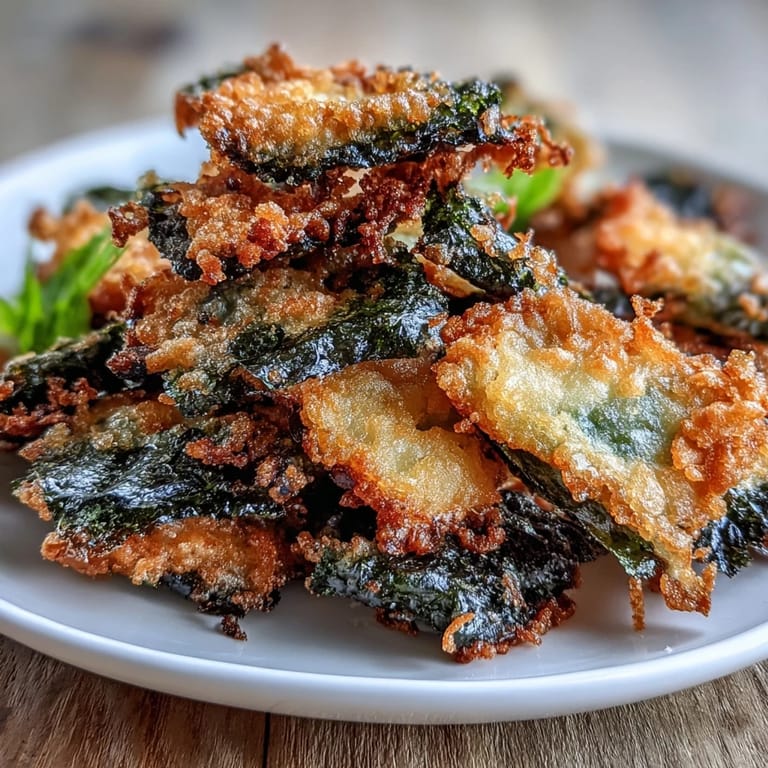
Save This is the kind of snack that reminds you cooking doesn't need to be complicated to feel special, and that sometimes the most impressive appetizer is just a few quality ingredients treated with respect. Serve it warm, eat it immediately, and watch how quickly it disappears.
Recipe FAQs
- → How do I ensure the batter is light and crispy?
Use ice-cold sparkling water and avoid overmixing the batter; slight lumps help create a delicate, crisp texture when fried.
- → What oils work best for frying the tempura?
Neutral oils with high smoke points like canola or sunflower oil are ideal to achieve even, golden frying without overwhelming flavors.
- → Can I add extra crunch to the tempura coating?
Double-coating nori pieces by dipping them twice in the batter before frying intensifies crunchiness and thickness of the crust.
- → How should I serve the fried seaweed for best flavor?
Serve warm with a dipping sauce combining soy sauce, mirin, rice vinegar, and toasted sesame oil to complement and enhance umami notes.
- → Are substitutions for nori possible?
Yes, various edible seaweed types can replace nori, offering different textures and flavors while maintaining the dish’s core appeal.
- → What flavor variations can be added to the batter?
A pinch of chili flakes in the batter adds a subtle spicy kick, balancing the savory and umami elements beautifully.