 Save
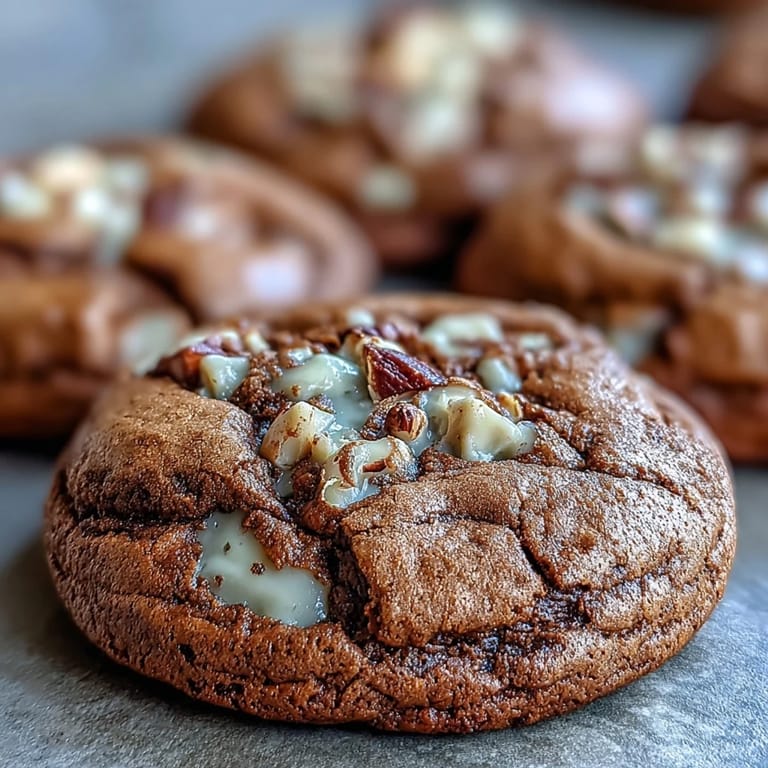
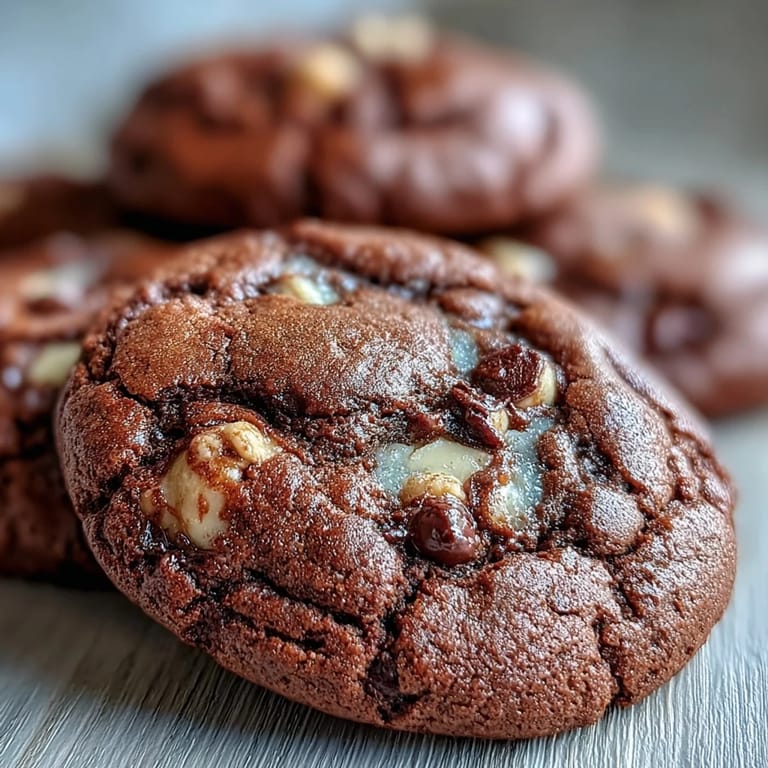
Save A friend handed me a small tin of hojicha powder at a Tokyo airport gift shop, and I had no idea what to do with it. Months later, standing in my kitchen on a rainy afternoon, I decided to chase that distinctive roasted, almost nutty aroma by baking it into something warm and comforting. The result was these soft hojicha brownie cookies—a happy accident that turned into something I now make whenever I need to impress people or simply want my kitchen to smell like a Japanese tea house.
I brought a batch to my book club last winter, and someone asked if I'd used coffee. When I explained it was hojicha, the conversation shifted entirely—suddenly everyone wanted to know where to buy it, what it tasted like, whether they could substitute it for something. That's when I realized these cookies do more than satisfy a sweet craving; they start conversations and make people curious about flavors they've never encountered before.
Ingredients
- All-purpose flour (120 g): The foundation that keeps these cookies chewy rather than cakey; don't sift it unless you love dense results.
- Unsweetened cocoa powder (20 g): This adds depth without overwhelming the hojicha, creating a subtle chocolate background instead of the main show.
- Hojicha powder (12 g): The star ingredient with a toasted, slightly sweet character; look for it in Japanese markets or online, and know that quality varies, so taste a pinch first.
- Baking powder (1/2 tsp): Just enough lift to keep these tender and chewy, not fluffy.
- Fine sea salt (1/2 tsp): A small amount that makes both the hojicha and chocolate sing without tasting salty.
- Unsalted butter, melted and cooled (115 g): Melting it first creates that luxurious tender crumb; cooling it slightly prevents the egg from scrambling.
- Light brown sugar (120 g): Brings moisture and a subtle molasses note that complements the roasted tea.
- Granulated sugar (50 g): The balance between chewiness and structure.
- Large egg, room temperature (1): This binds everything and creates that signature soft center.
- Vanilla extract (1 tsp): A quiet amplifier that makes every other flavor taste more like itself.
- White chocolate, chopped (100 g): The creamy surprise that makes each bite interesting; use quality chocolate because it really matters here.
Tired of Takeout? 🥡
Get 10 meals you can make faster than delivery arrives. Seriously.
One email. No spam. Unsubscribe anytime.
Instructions
- Get your oven ready and set the stage:
- Preheat to 175°C (350°F) and line two baking sheets with parchment paper—this prevents sticking and ensures even browning on the bottoms.
- Combine the dry ingredients:
- In a medium bowl, whisk together flour, cocoa powder, hojicha powder, baking powder, and salt until no lumps remain. This distributes the hojicha evenly so every cookie tastes consistent.
- Blend the wet base:
- In a large bowl, mix melted butter with both sugars until well combined, then beat in the room-temperature egg and vanilla extract until the mixture looks glossy and slightly pale. This aerates the dough slightly, which helps with texture.
- Bring it together gently:
- Gradually stir the dry ingredients into the wet mixture, stirring just until combined—overmixing develops gluten and makes cookies tough instead of tender.
- Fold in the chocolate:
- Gently fold the white chocolate pieces into the dough so they stay distributed throughout rather than sinking to the bottom.
- Portion and space:
- Scoop tablespoons of dough onto prepared baking sheets, leaving about 5 cm (2 inches) between each cookie because they spread slightly as they bake.
- Bake with intention:
- Bake for 10–12 minutes, watching for the moment when edges are set but the centers still look slightly soft and underbaked—this is crucial for achieving that chewy texture. They'll continue cooking on the hot pan after you remove them from the oven.
- Cool strategically:
- Let them rest on the pan for 5 minutes so they firm up enough to handle, then transfer to a wire rack to cool completely, which prevents the bottoms from becoming soggy.
 Save
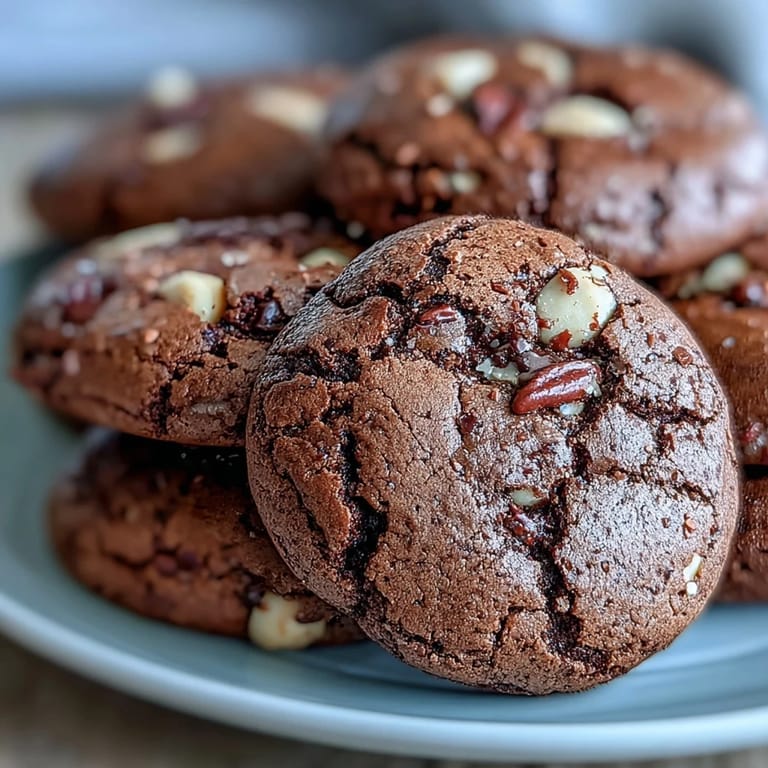
Save My neighbor smelled these baking and knocked on my door asking what I was making, then stayed for twenty minutes talking about her own experiments with Asian ingredients in Western desserts. That's when I understood these cookies were bridging something—not quite Western, not quite Japanese, but genuinely delicious in their own right.
Why Hojicha Works So Well Here
Hojicha is roasted green tea, which means it has a warm, toasted flavor that's naturally less grassy than regular matcha. When you blend it with cocoa powder and white chocolate, something unexpected happens—the hojicha's earthiness doesn't compete with the chocolate but instead makes it taste richer and more sophisticated. It's like adding a pinch of salt to caramel; it doesn't make things taste salty, it makes everything taste more like itself.
Storing and Freezing for Later
These cookies stay soft for about three days in an airtight container at room temperature, and they actually freeze beautifully for up to two months. I often bake half the batch, freeze the rest, and thaw them on the counter when I need that instant comfort food moment without the full baking process. They're also wonderful to bake straight from frozen if you add just a minute or two to the baking time and don't mind them slightly chewier in the center.
Customizing Your Batch
Once you've made these once, you'll start imagining variations—and you should absolutely experiment. The base is flexible enough to handle substitutions and adjustments based on your preferences and what you have on hand. I've made versions with darker chocolate, reduced sugar, extra salt, even a touch of cardamom that somehow felt right alongside the hojicha.
- For a stronger hojicha flavor that really announces itself, increase the powder to 15 g and consider reducing vanilla to 1/2 teaspoon so it doesn't compete.
- Swap white chocolate for dark or milk chocolate, or use a combination of both for a more complex sweetness.
- Store extras in an airtight container at room temperature for three days, or freeze for up to two months without losing their texture.
 Save
Save These cookies remind me that the best recipes often come from curiosity and happy accidents, from being willing to combine ingredients that seem unusual together. Make them, and I promise someone will ask what they taste like.
Recipe FAQs
- → What is hojicha powder?
Hojicha is roasted green tea powder with a nutty, earthy flavor profile. Unlike matcha, it's made from roasted leaves and stems, giving it a reddish-brown color and lower caffeine content while maintaining a distinctive roasted aroma.
- → Can I substitute the hojicha powder?
Matcha powder works as a substitute but will provide a grassier, more bitter flavor. For a closer alternative, you could use Chinese roasted green tea powder ground finely, though the unique nutty sweetness of hojicha is difficult to replicate exactly.
- → Why should cookies look slightly underbaked?
Removing cookies when centers appear slightly underbaked ensures they stay soft and chewy after cooling. The residual heat continues cooking them briefly on the hot pan, setting the structure while maintaining that desirable fudgy texture.
- → How should I store these cookies?
Store in an airtight container at room temperature for up to 5 days. For longer storage, freeze unbaked dough balls for up to 2 months, or freeze baked cookies in a freezer-safe bag, thawing at room temperature when needed.
- → Can I use other chocolate varieties?
Absolutely! While white chocolate beautifully complements hojicha's roasted notes, dark chocolate adds depth and bitterness, while milk chocolate provides extra creaminess. Feel free to experiment based on your preference.