 Save
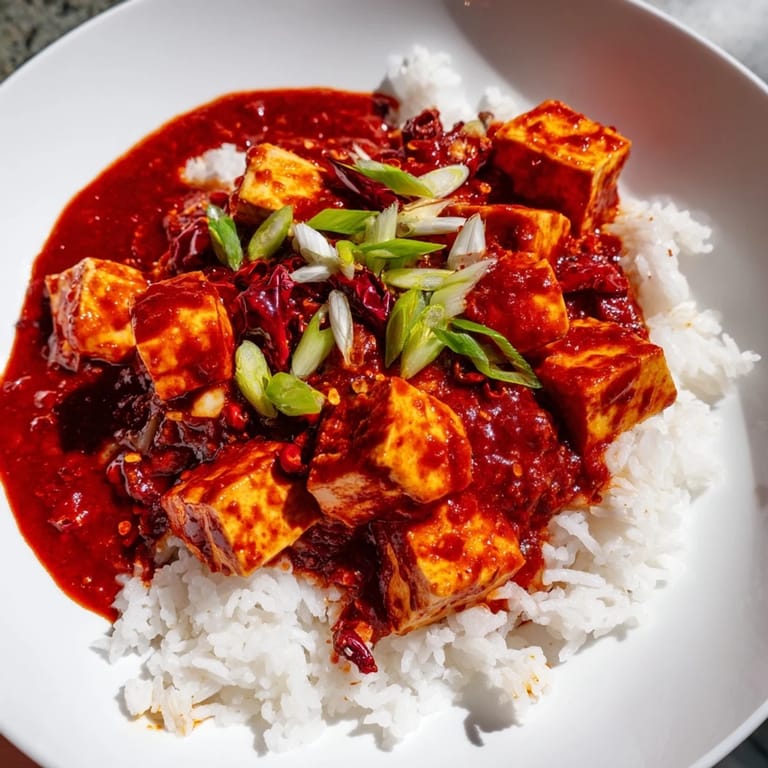
Save The first time I tasted mapo tofu wasn't in a fancy restaurant—it was in a cramped kitchen in Chengdu where my friend's grandmother was making it for lunch, and the moment the silky cubes hit that crimson, numbing sauce, I understood why this dish has been beloved for generations. There's something magical about how the tofu absorbs every bit of that bold, spicy sauce while staying impossibly tender, and the tingly sensation from the Sichuan peppercorns made my lips buzz in the best way possible. I spent an hour watching her work, asking endless questions, and she laughed at my surprise that something so simple could taste so complex. Now whenever I make it at home, I'm transported back to that kitchen, the clatter of her wok, and the smell of doubanjiang hitting hot oil.
Last winter, I made this for a dinner party, and I'll never forget the moment my skeptical friend—the one who always orders mild dishes—took a bite and his eyes went wide. He asked for seconds before finishing his first bowl, and then spent twenty minutes grilling me about where I'd learned to cook Chinese food so well. That night taught me that mapo tofu isn't just dinner; it's the kind of dish that makes people feel like you've shared something genuine with them, something that tastes like it comes from your own kitchen memories.
Ingredients
- Silken or soft tofu (400 g / 14 oz): Drain it well before cubing—this keeps the texture silky without waterlogging your sauce, though if you prefer tofu that holds its shape through gentle stirring, soft tofu works beautifully too.
- Ground pork or beef (150 g / 5 oz): Optional, but it adds a savory depth that makes the sauce richer; skip it entirely for a fully vegetarian dish.
- Sichuan doubanjiang (2 tbsp): This fermented chili bean paste is the soul of the dish—it's where all the heat and umami comes from, so don't skip it or substitute with regular chili paste.
- Soy sauce (1 tbsp): Use low-sodium if you can, since doubanjiang already brings saltiness.
- Shaoxing wine (1 tbsp): Dry sherry works in a pinch, and it rounds out the sauce with a subtle sweetness.
- Sugar (1 tsp): Just enough to balance the heat and salt without making it sweet.
- Low-sodium broth (1/2 cup / 120 ml): Use chicken or vegetable depending on whether you're making the meat version.
- Cornstarch slurry (1 tbsp cornstarch + 2 tbsp water): This thickens the sauce so it clings to the tofu instead of pooling at the bottom.
- Sichuan peppercorns (1 tbsp): Toast and grind these fresh—they're what create that famous numbing, tingly sensation that makes this dish so addictive.
- Vegetable oil (3 tbsp): Use something neutral like canola or vegetable oil so the aromatics take center stage.
- Garlic (3 cloves, minced): Fresh garlic is essential; the heat brings out its sweetness.
- Ginger (2 tsp, minced): Adds warmth and cuts through the richness beautifully.
- Scallions (2, finely sliced): Keep the white and green parts separate—the whites cook into the sauce, and the greens finish the dish with fresh brightness.
- Dried red chilies (1–2, chopped): Optional but recommended for an extra layer of heat and aroma.
Tired of Takeout? 🥡
Get 10 meals you can make faster than delivery arrives. Seriously.
One email. No spam. Unsubscribe anytime.
Instructions
- Set yourself up for success:
- Drain your tofu and cut it into cubes about the size of dice, then whisk your cornstarch with water until smooth—this is where people often rush, and lumpy slurry means streaky sauce. Have your garlic, ginger, and scallions prepped and separated so you're not fumbling while things are cooking.
- Toast and grind the peppercorns:
- Pop them into a dry wok or skillet over medium heat and listen for them to start crackling and smell almost citrusy—this wakes up their numbing magic. Crush them with a mortar and pestle so they're coarse, not powder.
- Build your flavor base:
- Heat your oil until it shimmers, then add the white scallion pieces, garlic, and ginger all at once, stirring constantly for about a minute until your kitchen smells absolutely incredible. Don't let anything brown; you want fragrance, not char.
- Brown the meat (if using):
- Add your ground pork or beef and break it apart with your spoon as it cooks, making sure every piece gets some color and starts to render its fat into the oil. This takes about 3 to 4 minutes.
- Awaken the doubanjiang:
- Add your bean paste and chopped chilies, then stir constantly for 1 to 2 minutes—the oil will turn a deep red and smell intoxicatingly spicy as the paste releases all its umami. This is the moment everything clicks into place.
- Build the sauce:
- Pour in your Shaoxing wine, soy sauce, sugar, and broth, then bring everything to a gentle simmer. The sauce should smell bold and inviting, like a Sichuan kitchen.
- Welcome the tofu:
- Gently slide your tofu cubes into the simmering sauce and let them cook for about 5 minutes, occasionally spooning the sauce over them with a gentle hand. You're not stirring vigorously; you're letting the sauce get to know the tofu.
- Thicken with intention:
- Give your cornstarch slurry a quick stir to recombine, then drizzle it in slowly while stirring the sauce gently—it should thicken into something silky that clings to each tofu cube instead of pooling. This takes just a minute or two.
- Finish with character:
- Sprinkle your ground Sichuan peppercorns over everything and add half your green scallion pieces, then taste and adjust—if you want more heat, add a splash of chili oil; if it's too salty, a touch more broth balances it out.
- Serve while it's singing:
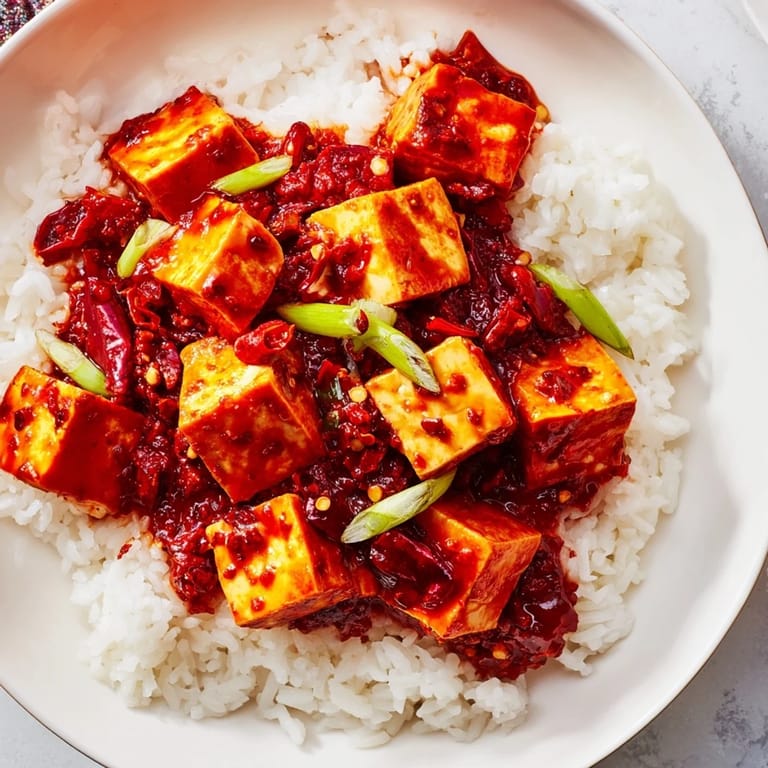
- Spoon it over steaming jasmine rice immediately, then top with remaining scallions and another drizzle of chili oil if you're feeling bold. The heat should still be radiating from the bowl.
 Save
Save There was an afternoon when my partner came home from a terrible day at work, and I had this simmering on the stove—the smell alone seemed to shift something in them. They sat down at the table without a word, and by the second bite, they actually smiled for the first time all day. That's when I realized this dish does more than feed hunger; it offers comfort wrapped in spice and heat, a reminder that someone cares enough to make something this thoughtful.
Understanding the Heat
Mapo tofu's heat works on two levels, and understanding the difference makes all the difference in your kitchen. The chili bean paste brings a sustained, building warmth that settles into your mouth, while the Sichuan peppercorns create that famous numbing sensation—a tingly, almost electric feeling on your lips and tongue that's completely separate from spice. When people say they want to adjust the heat, they're usually reaching for either more doubanjiang or more dried chilies, but the real magic happens when both elements are working in harmony. I once made it for someone who was intimidated by spicy food, so I cut the doubanjiang in half and skipped the dried chilies entirely, and they loved it because the peppercorn tingle was still there without the burn—suddenly they weren't scared of the dish, just curious about it.
Choosing Your Tofu Wisely
The difference between silken, soft, and firm tofu is the difference between a whisper and a shout, and which one you choose depends on what texture you're imagining when you sit down to eat. Silken tofu is so delicate that it melts like butter on your tongue, absorbing the sauce completely but requiring an incredibly gentle hand as you cook—one too-vigorous stir and you've got tofu confetti instead of cubes. Soft tofu sits in the middle ground and is actually what I use most often at home because it's forgiving enough for normal cooking while still being tender enough to feel luxurious. Firm tofu holds its shape through the whole process and is perfect if you're feeding someone who prefers tofu with more structure or if you're nervous about your stirring technique. I've found that whatever you choose, the key is dragging it gently through the sauce rather than stirring aggressively, letting the sauce court the tofu instead of forcing them together.
Making It Your Own
Once you've made this dish a few times and understand how all the pieces talk to each other, you'll start tasting variations in your head and wondering what would happen if you added a little more ginger or swapped in black vinegar for some of the broth. I've added ground white pepper, a splash of sesame oil at the end, and even a handful of cashews for texture and richness. The beauty of mapo tofu is that it's sturdy enough to handle your experiments but classic enough that you should master the original version first—that's where the real lessons live.
- If you can't find Sichuan doubanjiang, don't substitute with regular chili paste; seek it out online or accept that it won't taste quite the same.
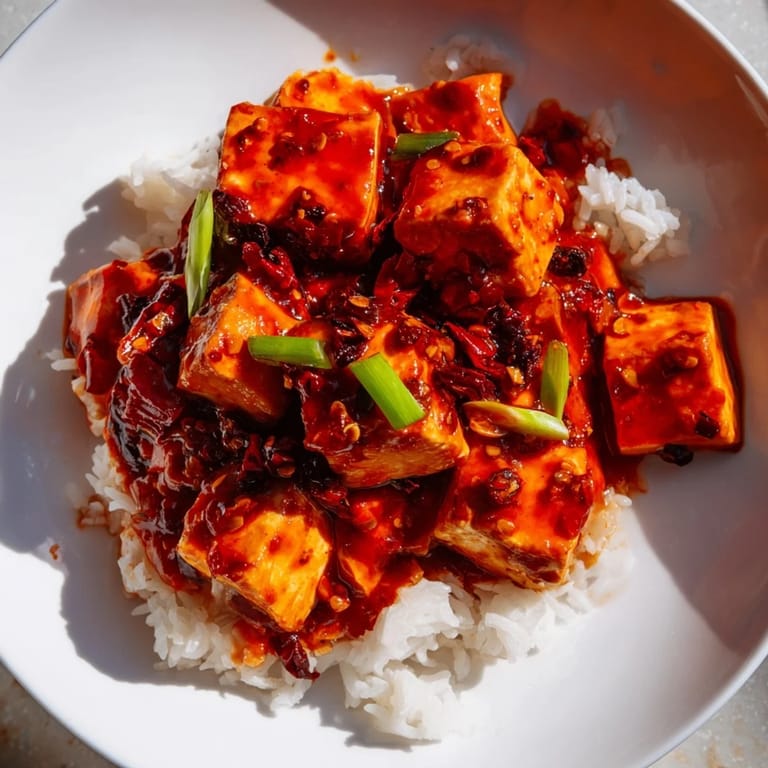
- Make sure your rice is hot and steaming when the mapo tofu hits the plate, so the heat radiates through everything you're eating.
- The dish actually tastes better the next day when the flavors have gotten to know each other, so don't hesitate to make extra.
 Save
Save This dish has taught me that some recipes deserve the attention it takes to get them right—not because they're complicated, but because when they're done well, they taste like they come straight from someone's heart. Make it for the people you want to feel that warmth.
Recipe FAQs
- → What type of tofu works best?
Silken or soft tofu offers a delicate texture that soaks up flavors well, while firm tofu holds shape better during cooking.
- → Can this be made vegetarian?
Yes, omit meat and use vegetarian chili bean paste along with vegetable broth to maintain richness.
- → How spicy is this dish?
The heat level is moderate and adjustable by varying chili bean paste and dried chilies according to taste.
- → What is the role of Sichuan peppercorns?
They provide a distinctive numbing, tingling sensation that complements the dish’s spicy and savory flavors.
- → What should it be served with?
Traditionally served hot over steamed jasmine rice to balance the bold and spicy sauce.
- → How can the sauce thickness be controlled?
Add cornstarch slurry gradually while stirring until the sauce coats the tofu to desired consistency.