 Save
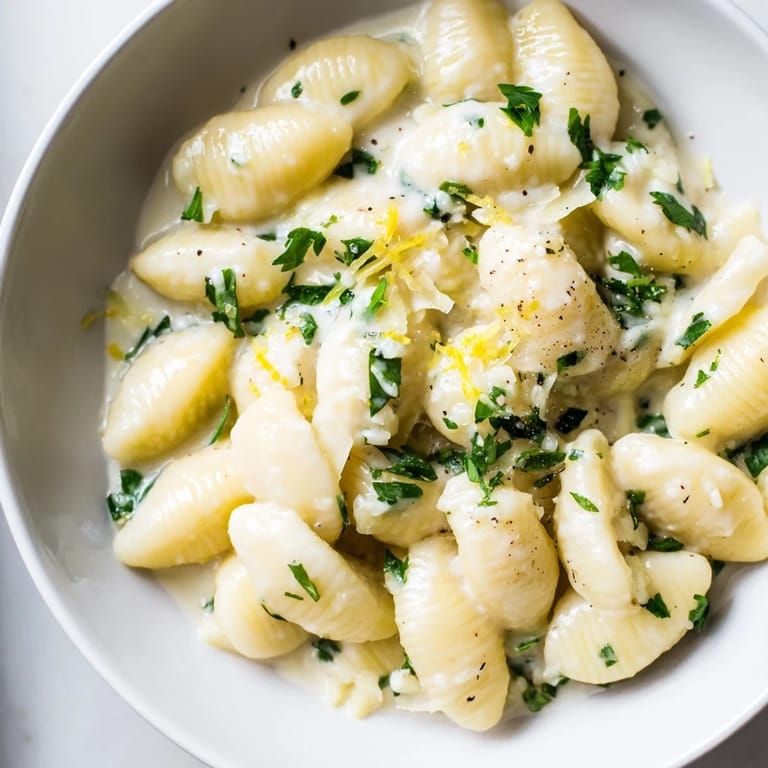
Save There's something about a weeknight when nothing feels quite right until you've got a warm bowl of pasta in front of you. I discovered ditalini pasta years ago while rummaging through a half-empty pantry, and these tiny tubes became my secret weapon for quick dinners that taste far more intentional than they have any right to. The first time I made this creamy garlic butter version, I was startled by how silky the sauce turned out—it's one of those rare dishes where less really is more, and the simplicity is exactly the point.
I made this for my roommate once when she came home stressed from work, and she sat at the kitchen counter quietly eating while I cleaned up around her. She didn't say much, just kept twirling her fork, and when she was done she looked up and asked me to write down what I'd made. That's when I knew this wasn't just a quick pasta—it was the kind of food that resets your mood without announcing itself.
Ingredients
- Ditalini pasta (300 g): These little tubes are perfect because they trap the sauce inside, which means flavor in every bite; don't swap them for long pasta or you'll lose that magic.
- Unsalted butter (4 tablespoons): This is your foundation, so use something you actually like—the butter flavor should be noticeable and pleasant.
- Garlic (4 cloves, minced): Mince it fine so it dissolves into the sauce rather than sitting as chunks; pressing it through a garlic press works beautifully if you're in a hurry.
- Heavy cream (120 ml): This is what gives the sauce its silky texture, but don't let it boil hard or it can break and separate.
- Parmesan cheese (50 g, freshly grated): Pre-grated cheese has anti-caking agents that make it grainy—take the two minutes to grate it fresh and you'll taste the difference immediately.
- Black pepper and salt: Add these at the end so you can taste as you go; there's nothing worse than oversalting pasta sauce.
- Fresh parsley and lemon zest (optional): These feel like finishing touches, but they genuinely brighten everything and make it feel complete.
Tired of Takeout? 🥡
Get 10 meals you can make faster than delivery arrives. Seriously.
One email. No spam. Unsubscribe anytime.
Instructions
- Get your water boiling and pasta going:
- Fill a large pot with water, add a generous handful of salt (it should taste like the sea), and bring it to a rolling boil. This takes longer than you'd think, so start this first. Add your ditalini and stir once so nothing sticks; check the package for timing but most are done in about 8 minutes.
- Make the garlic butter base:
- While the pasta cooks, melt your butter in a large skillet over medium heat—let it foam a bit, it's lovely. Add your minced garlic and let it sizzle for a minute or two, just until it smells incredible and turns golden; if it starts to brown, it'll taste bitter, so watch it carefully.
- Build the creamy sauce:
- Lower your heat and gently pour in the cream along with a splash of the pasta water you reserved—the starchy water is what helps the sauce cling to the pasta instead of sliding off. Let it simmer very gently; you want little bubbles, not an aggressive boil.
- Bring it all together:
- Drain your pasta (but save that reserved water first), then add it straight to the skillet. Toss everything together so each little tube gets coated in that silky sauce, which should take about a minute of gentle stirring.
- Season and finish:
- Sprinkle in your Parmesan, black pepper, and a pinch of salt, then stir until the sauce is smooth and the cheese has melted into it. If it looks too thick, add a splash more pasta water a little at a time—the sauce should coat the pasta but not drown it.
- Final touches:
- Take it off the heat and stir in your parsley and lemon zest if you're using them. Taste it, and adjust the seasoning if it needs it—this is your moment to make it exactly right.
 Save
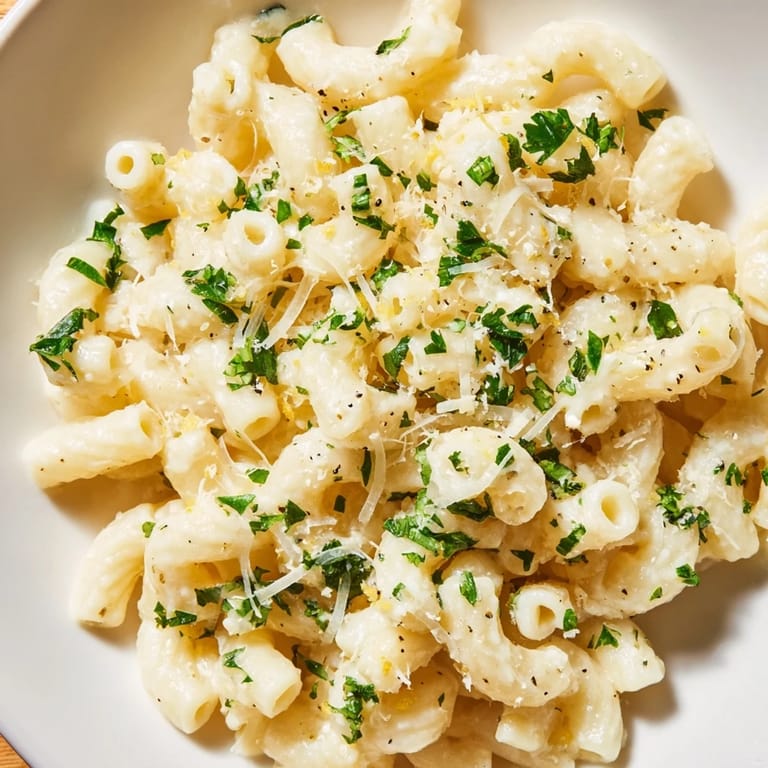
Save I once made this dish for someone who said they didn't really like pasta, and they came back for seconds while talking about how butter and garlic shouldn't be this good. That's when it hit me that this recipe works because it respects its ingredients rather than trying to mask them with complicated techniques.
Why Ditalini Works Better Than You'd Expect
Most people think of ditalini as a soup pasta, something that just happens to be in minestrone, but in this creamy sauce they shine in a completely different way. The hollow tubes capture butter and cream inside them, so you get little pockets of flavor as you eat; with spaghetti or penne, the sauce often slides right off, leaving you with bare pasta in some bites. Once I switched from linguine to ditalini for this exact dish, I stopped making it any other way.
The Magic of Pasta Water
Pasta water sounds like something chefs mention just to sound professional, but it's genuinely one of the most important things you'll learn about cooking pasta. The starch in that water is what makes a cream sauce silky instead of separated and oily; it's free, it's right there in your pot, and it costs you nothing but a moment to remember to save it. The first time I did this without thinking, I ended up with a broken sauce that looked curdled, and I've been religious about reserving it ever since.
Timing and Temperature Matter More Than Ingredients
This recipe only works if you understand that heat can be your enemy here—everything is at its best when you're gentle and patient rather than aggressive. The garlic should never brown, the cream should never boil hard, and the whole thing should come together in a calm, controlled way that feels almost meditative. When you rush it or crank the heat, the sauce separates and tastes grainy, which is frustrating because you're so close to something perfect.
- If your sauce breaks and looks oily or curdled, you can sometimes rescue it by whisking in a splash of cold milk or cream off the heat and stirring constantly.
- Taste before you serve—salt and pepper are your friends here, and you might need more than you think to make all the flavors pop.
- Have extra Parmesan and parsley at the table so people can add their own finishing touch.
 Save
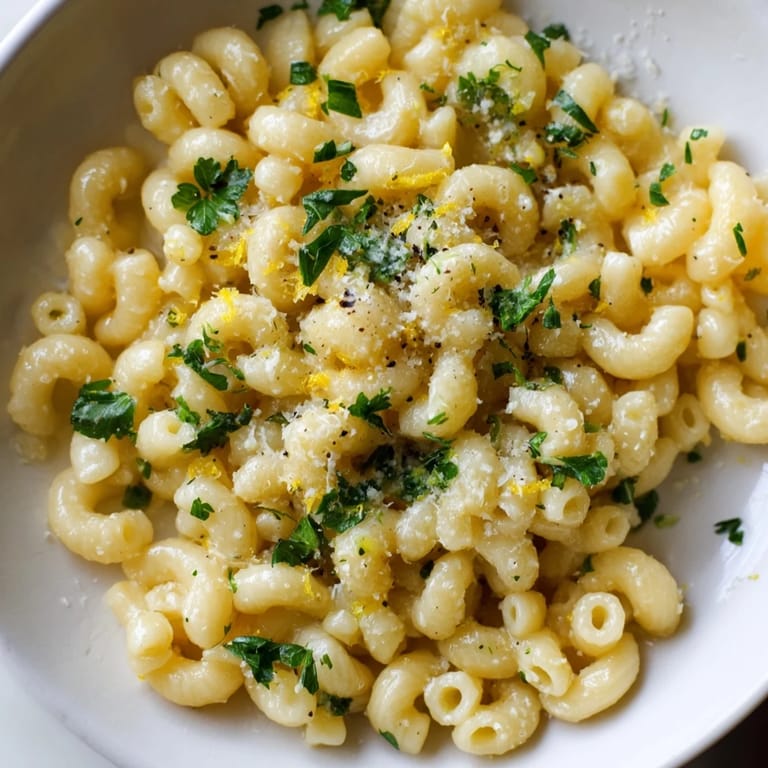
Save This pasta has become the dish I make when I want to feel like I'm taking care of someone, including myself. It's simple enough that you're not stressed, but thoughtful enough that it tastes like love in a bowl.
Recipe FAQs
- → How do I cook ditalini pasta perfectly?
Boil salted water and cook the ditalini until al dente, usually about 8 minutes. Reserving some pasta water helps adjust the sauce consistency later.
- → Can I substitute Parmesan in this dish?
Yes, you can use Pecorino Romano or a vegan hard cheese alternative to maintain a similar savory depth.
- → What is the best way to infuse garlic flavor without burning?
Sauté finely minced garlic slowly over medium heat in butter for 1–2 minutes until fragrant but not browned to avoid bitterness.
- → How do I achieve a creamy sauce without it being too thick?
Add reserved pasta water gradually to the cream and butter mixture until the sauce reaches a smooth, silky texture.
- → Can I add herbs or spices to enhance the dish?
Fresh parsley and lemon zest are great additions to brighten flavors. A sprinkle of red pepper flakes can add subtle heat.
- → What are good serving suggestions for this dish?
Serve immediately garnished with extra Parmesan and parsley. Pair with light white wines like Pinot Grigio for a balanced meal.