 Save
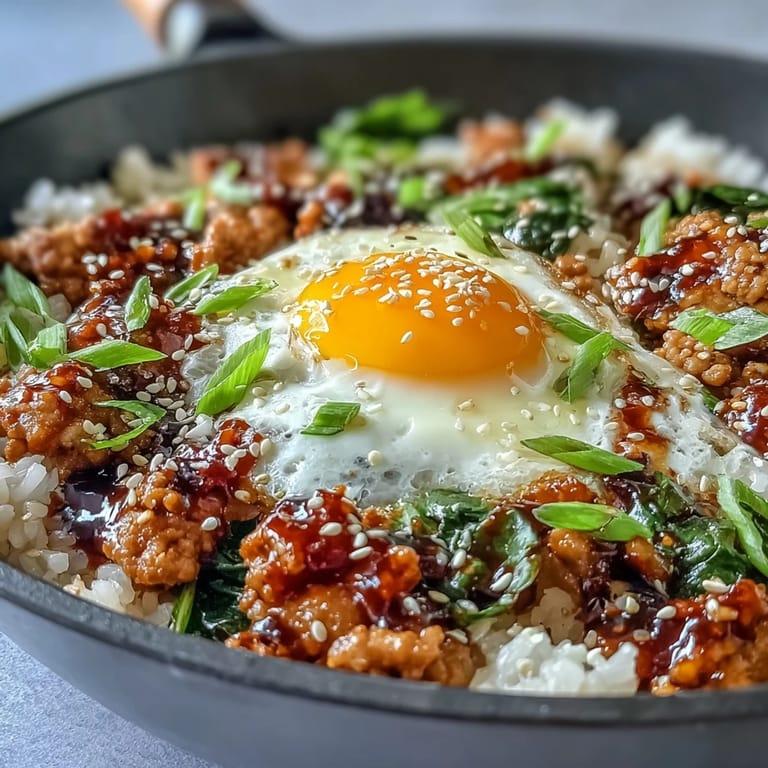
Save My coworker brought leftovers to lunch one day that smelled incredible—gochujang, sesame, something sweet and spicy all at once. When I asked what it was, she laughed and said she'd thrown together whatever was in her fridge with ground turkey and rice. That moment stuck with me, and after some kitchen experimenting, I created this creamy Korean turkey rice skillet that tastes like you've been cooking it all day, even though it comes together in under 40 minutes.
I made this for a dinner party last spring when I wanted something that felt restaurant-quality but wouldn't keep me stuck in the kitchen while my friends sat around talking. The moment I set down those steaming bowls with the golden eggs nestled on top, someone said it looked almost too beautiful to eat—then promptly devoured it in three minutes. That's when I knew this recipe had staying power.
Ingredients
- Ground turkey: Lean and mild, it takes on the sauce beautifully without overpowering the delicate balance of sweet and spicy flavors.
- Gochujang: This fermented chili paste is the soul of the dish—it's complex, not just hot, so look for a good quality one if you can.
- Eggs: Seven minutes in simmering water gives you that runny yolk that becomes sauce when you break it into the rice.
- Short-grain rice: Day-old rice works best because it's slightly drier and won't turn mushy when folded into the warm sauce.
- Sesame oil: Use it for sautéing the aromatics to build that toasted, nutty foundation that runs through the entire dish.
- Soy sauce, honey, and rice vinegar: These three create the balance that makes your mouth want another spoonful—salty, sweet, and just a touch of tang.
- Carrot and spinach: The carrot adds gentle sweetness and texture, while the spinach wilts in just seconds, adding color and nutrition without any bitterness.
Tired of Takeout? 🥡
Get 10 meals you can make faster than delivery arrives. Seriously.
One email. No spam. Unsubscribe anytime.
Instructions
- Get your eggs jammy:
- Bring a small pot of water to a gentle boil and carefully lower in your eggs. Set a timer for exactly seven minutes—this is the sweet spot where the whites are set but the yolks stay soft and glossy. As soon the timer goes off, plunge them into ice water to stop the cooking, then peel them gently under cool running water.
- Build your flavor base:
- Heat sesame oil in your skillet until it's shimmering, then add diced onion, minced garlic, and ginger. Let them soften for a few minutes until your kitchen smells incredible and the edges start to caramelize slightly. This is where the magic starts—don't rush it.
- Brown the turkey:
- Add your ground turkey and use a spatula to break it up as it cooks, letting it get golden and cooked through, about five to six minutes. If there's excess fat pooling, drain it off—we want the meat, not the grease.
- Add the vegetables:
- Toss in your julienned carrot and let it cook for a couple of minutes until it softens just slightly. This keeps it from being completely raw but still gives you a little snap when you bite into it.
- Make the sauce:
- Lower your heat to medium and add the gochujang, soy sauce, honey, rice vinegar, and broth, stirring until everything is smooth and coated evenly. You'll see the sauce deepen in color and smell the fermented, complex notes come through. Taste it right now—this is what guides your final seasoning.
- Finish with cream and greens:
- Stir in your heavy cream if using it, then add the baby spinach and watch it wilt almost instantly into silky ribbons. The cream makes the sauce luxurious without being heavy, and the spinach adds color and nutrition in one quick move.
- Bring it together:
- Fold in your cooked rice, mixing gently but thoroughly until every grain is touched by that gorgeous sauce and everything is heated through. This is when you taste and adjust—if you want more heat, add gochugaru; if it needs more soy, go ahead and add a splash.
- Plate and finish:
- Divide the rice skillet into bowls, then halve each jammy egg and place it on top so the yolk spills into the rice. Scatter scallions and toasted sesame seeds over everything, and if you love kimchi the way I do, add a generous dollop on the side.
 Save
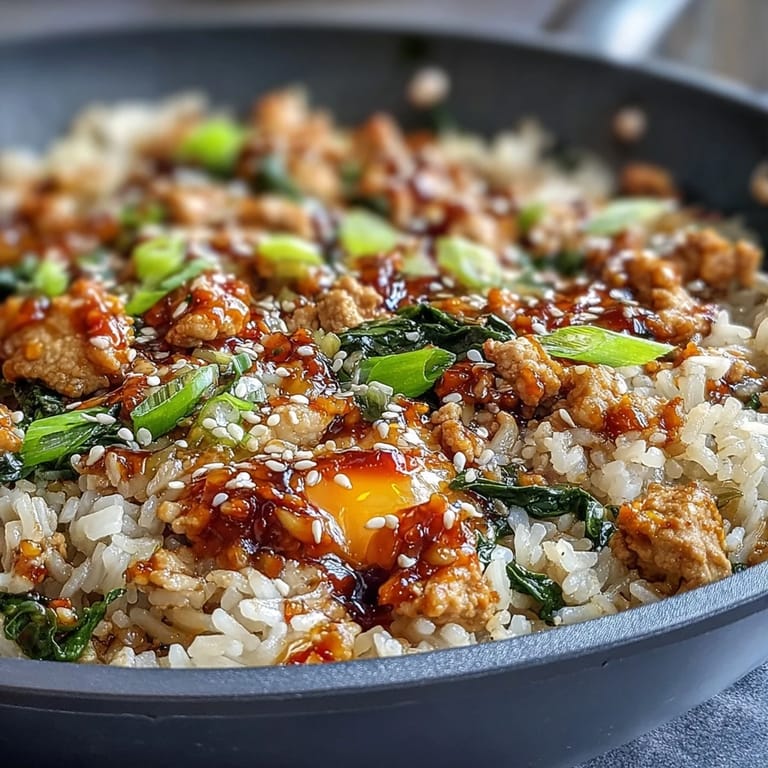
Save My partner came home while I was finishing this dish and stood in the doorway just breathing in the aroma for a moment. We ended up eating in silence, which for us is saying something, and when I asked if it was good, he just pointed at his empty bowl with a grin. That's when comfort food stops being about sustenance and becomes a moment you actually remember.
Why This Sauce Works
The magic isn't in any single ingredient—it's in how they play together. Gochujang brings fermented depth and heat, soy sauce adds umami and salt, honey rounds out the sharp edges with sweetness, and rice vinegar keeps everything from being cloying. The broth lets the sauce coat every grain of rice without being a heavy gravy, while sesame oil ties it all together with a toasted, nutty whisper that makes you crave another bite.
The Jammy Egg Magic
That runny yolk isn't just for show—it's essential to how this dish tastes. When you break into it, the warm yolk becomes an extra sauce that mingles with the spicy gochujang base, creating this creamy richness that doesn't come from cream at all. It's a textural and flavor moment that transforms simple rice into something restaurant-quality, and honestly, it's the reason people ask for seconds.
Making It Your Own
This recipe is a foundation, not a rulebook. I've made it with ground chicken when I didn't have turkey, substituted spinach with bok choy or kale depending on what looked good at the market, and even added a handful of mushrooms on nights when I felt like extra umami. The beauty is that the sauce is bold enough to work with whatever proteins or vegetables you have on hand. If you want more heat, gochugaru sprinkled on top turns up the spice without changing the balance. For a dairy-free version, coconut cream works just as beautifully as heavy cream, adding a subtle sweetness that complements the gochujang. Keep some kimchi in your fridge because a cold, spicy dollop on the side brightens everything and adds a fermented complexity that makes people wonder what your secret is.
- Add extra vegetables like mushrooms, bell peppers, or broccoli florets without changing the cooking time.
- Make it ahead by cooking the rice, sauce, and eggs separately, then combining them in the skillet when you're ready to eat.
- Double the recipe easily—just make sure your skillet is large enough that the rice can be folded in without crowding.
 Save
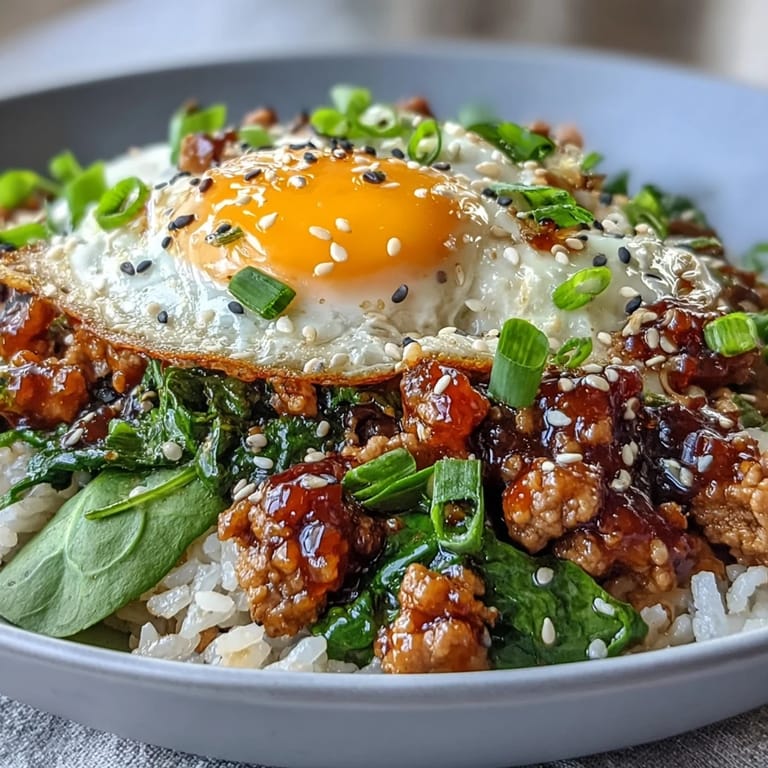
Save This is the kind of dish that makes you feel like a good cook without actually being difficult, and that's a feeling worth chasing. Make it once, and you'll make it again, probably with small changes that make it even more yours.
Recipe FAQs
- → What makes this skillet creamy?
Heavy cream or coconut cream is stirred into the sauce during the final minutes, creating a silky texture that coats the rice and turkey. For a dairy-free version, coconut cream provides the same luxurious consistency.
- → Why use day-old rice?
Day-old rice has dried out slightly, which prevents it from becoming mushy when stirred into the sauce. The grains stay separate and absorb flavors better than freshly cooked rice.
- → How do I make perfect jammy eggs?
Gently simmer large eggs for exactly 7 minutes, then immediately transfer to an ice bath to stop cooking. This yields set whites with golden, runny yolks that pair perfectly with the savory rice.
- → Can I adjust the spice level?
Reduce gochujang for milder heat, or add gochugaru (Korean chili flakes) to increase intensity. The base recipe delivers a medium spice level balanced by honey's sweetness.
- → What can I serve with this skillet?
Kimchi adds authentic tang and crunch, while extra sliced cucumbers provide a cool contrast. The dish is complete on its own but pairs well with simple steamed vegetables or a light side salad.
- → How should I store leftovers?
Store cooled portions in airtight containers for up to 3 days. Reheat gently in a skillet with a splash of water or broth to restore creaminess. Add fresh jammy eggs when serving.