 Save
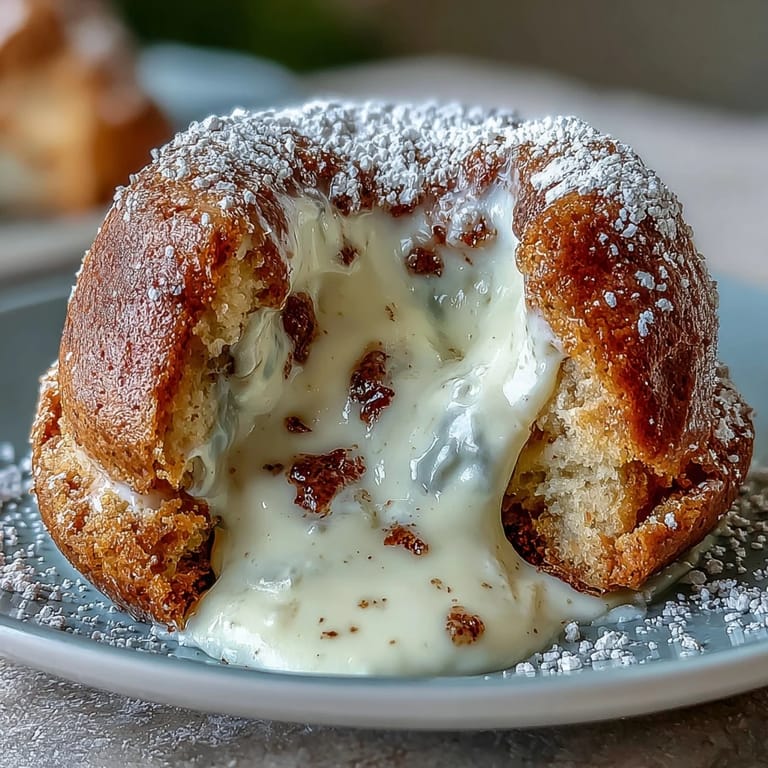
Save There's something about the moment a hojicha lava cake collapses onto a plate that makes you feel like a proper pastry chef, even if you've never stepped foot in culinary school. I discovered this particular combination when a friend brought over a tin of hojicha powder from Tokyo, and instead of steeping it the traditional way, I got curious about what would happen if I wove that earthy, roasted warmth into something indulgent and molten. What emerged was pure magic, and I've been making these for anyone who needs convincing that white chocolate belongs in adventurous desserts.
I'll never forget serving these at a dinner party where my neighbor brought over his very skeptical mother who claimed she didn't like white chocolate. She took one bite, went quiet, and then asked for the recipe before dessert was even finished. That's when I knew these cakes had transcended being just dessert, they'd become something that could shift people's minds.
Ingredients
- White chocolate, chopped: Quality matters here because it's going to be the star; use something with real cocoa butter, not the waxy stuff that'll make your filling heavy.
- Unsalted butter: The combination with white chocolate creates that luxurious mouthfeel, and unsalted lets you control the salt yourself.
- Eggs and egg yolk: The whole eggs give you structure while that extra yolk enriches the batter and ensures a silky crumb.
- Granulated sugar: Whisked with eggs, it aerates the batter and helps create that delicate cake structure that gives way to molten centers.
- All-purpose flour: Keep it to a quarter cup so the crumb stays tender and the molten center can do its thing.
- Hojicha powder: This roasted green tea powder is the soul of the recipe, adding nuttiness and depth that white chocolate absolutely craves.
- Salt: Just a pinch, but it's crucial for balancing the sweetness and brightening all the flavors.
Tired of Takeout? 🥡
Get 10 meals you can make faster than delivery arrives. Seriously.
One email. No spam. Unsubscribe anytime.
Instructions
- Prep your ramekins like you mean it:
- Grease them generously with butter, then dust with flour and tap out what you don't need. This extra step prevents sticking and makes unmolding smooth rather than heartbreaking.
- Create a double boiler and melt your chocolate slowly:
- Set a bowl over simmering water, add your white chocolate and butter, and stir occasionally until completely smooth. Rushing this with high heat will seize your chocolate and ruin everything.
- Whisk eggs and sugar until pale and fluffy:
- This takes about two to three minutes and you'll see the mixture go from glossy to almost mousse-like, which means you're incorporating air that keeps the cake tender.
- Sift in the dry ingredients and fold gently:
- The flour, hojicha powder, and salt need to be sifted to avoid lumps, and your folding motion should be slow and careful so you don't deflate what you just built.
- Combine with white chocolate using the gentlest technique:
- Pour the melted chocolate into the egg mixture and fold just until you can't see any streaks of white. Overmixing is the enemy of molten centers.
- Divide the batter evenly:
- Use a spoon or small ice cream scoop to distribute equally so every cake bakes at the same rate and reaches that perfect jiggly center.
- Bake until the edges set but centers stay soft:
- Twelve minutes at 200°C should do it, but every oven is different so watch for the edges to look firmly set while the centers still wobble slightly when you gently shake the tray.
- Rest briefly, then unmold with confidence:
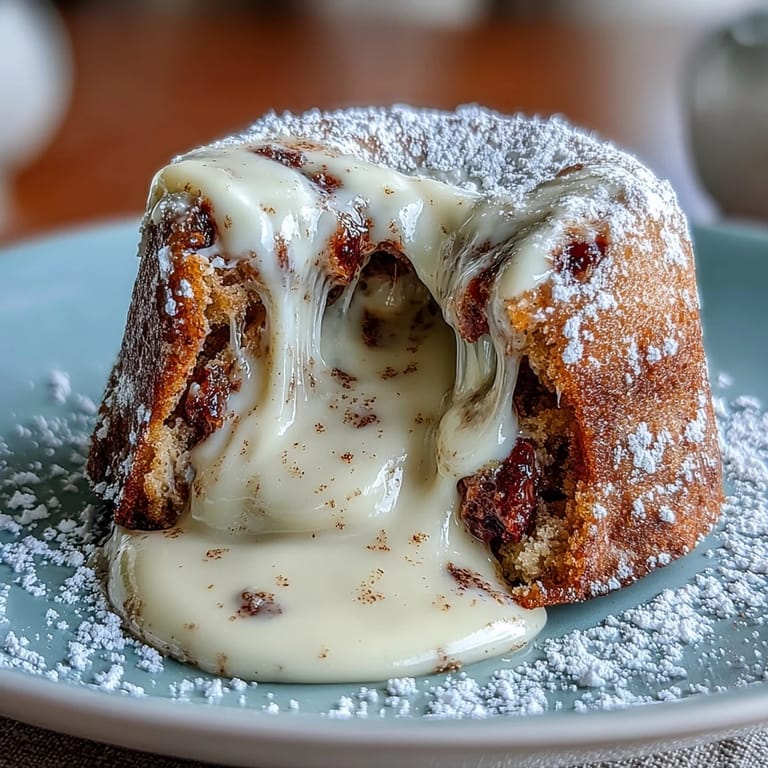
- A minute or two of rest helps the cake pull slightly from the sides, making unmolding easier. Run a thin knife around the edge and invert onto your waiting plate.
 Save
Save There was a quiet Tuesday evening when I made just one of these for myself and sat with it still warm, hojicha steam rising up, and realized I'd created something that felt almost meditative. It wasn't about impressing anyone that night, it was just about understanding why certain flavor combinations stay with you.
Timing and Temperature
Getting the oven temperature right is non-negotiable because these cakes live in a narrow window between baked and molten. I learned this the hard way by losing two cakes to an oven that ran hot, and now I always verify my oven temperature with a separate thermometer before baking anything with molten centers. If your oven tends to run cool, add a minute or two to the baking time, but start checking at the twelve minute mark because every cake is slightly different depending on how full your ramekins are.
Flavor Pairing and Variations
The earthiness of hojicha naturally calls for certain accompaniments, and I've found that serving these with something bright like fresh berries or tart whipped cream cuts through the richness beautifully. If you want to experiment, matcha powder makes an elegant substitute that shifts the flavor toward grassy and vibrant, while a dusting of fleur de sel on top of the powdered sugar adds an unexpectedly sophisticated touch. Cold milk or a shot of espresso alongside these cakes completes the experience in a way that feels intentional, not accidental.
- Berries provide acidity that balances the white chocolate sweetness perfectly.
- A tiny pinch of fleur de sel on the powdered sugar elevates the whole plate.
- Serve immediately while the center is still warm and flowing.
Making These Ahead
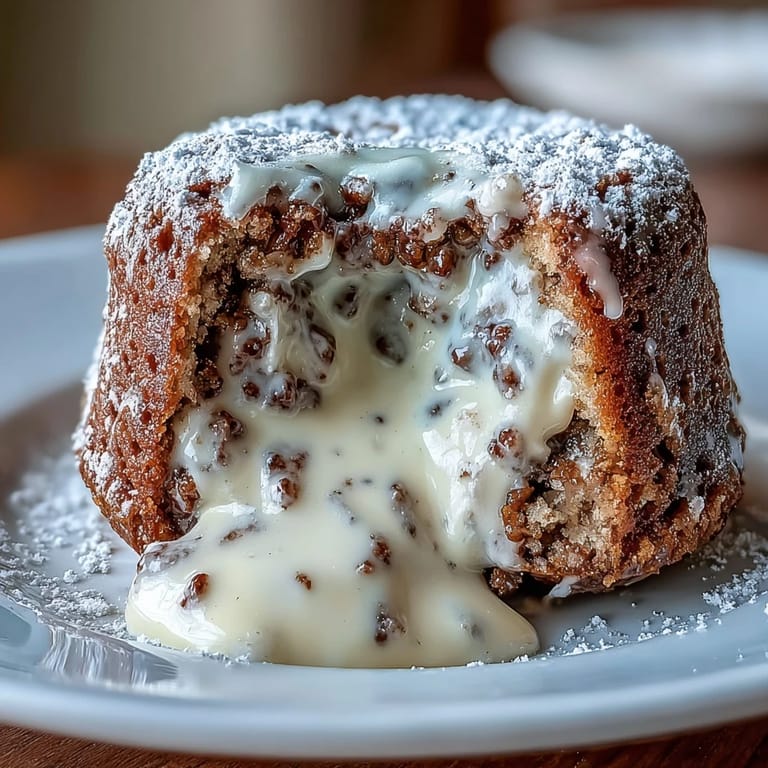
You can prepare the batter up to four hours in advance if you cover and refrigerate it, though I've found the molten center works best when baked right before serving. The ramekins can be prepped the night before and left in the fridge, which is helpful when you're entertaining and want one less thing to worry about. What you absolutely cannot do is bake these ahead and reheat them, because the magic of the molten center only happens once and reheating just gives you sad, solid chocolate.
 Save
Save These hojicha white chocolate lava cakes feel like a secret language between you and anyone lucky enough to taste them. Make them when you want to feel like you've accomplished something that matters.
Recipe FAQs
- → What makes hojicha different from matcha?
Hojicha is roasted green tea leaves that have been ground into a fine powder, unlike matcha which is shade-grown and steamed. The roasting process gives hojicha a deep, nutty flavor with lower caffeine content and a reddish-brown color rather than vibrant green.
- → How do I know when the lava cakes are done?
The edges should appear set and slightly firm, while the center remains soft and jiggly when you gently shake the ramekin. This usually takes about 12 minutes at 200°C. If you prefer a more flowing center, remove them 1 minute earlier.
- → Can I make the batter ahead of time?
Yes, you can prepare the batter up to 4 hours before baking. Store it covered in the refrigerator, but let it come to room temperature for about 15 minutes before baking to ensure even cooking and proper molten texture.
- → What can I serve with these lava cakes?
Fresh berries like raspberries or strawberries provide a tart contrast to the richness. Whipped cream, vanilla ice cream, or a dusting of powdered sugar all work beautifully. For a sophisticated touch, serve with a shot of espresso or glass of cold milk.
- → Can I substitute the white chocolate?
Milk chocolate will work but creates a sweeter, less nuanced result. Dark chocolate overpowers the delicate hojicha flavor. The white chocolate's creamy profile is essential for balancing the roasted tea notes, making it the ideal choice.
- → Why did my centers turn out cakey instead of molten?
This usually means they were overbaked. Oven temperatures vary, so start checking at 10 minutes. Also ensure your eggs are at room temperature before mixing—cold eggs can affect the batter's consistency and baking time.