 Save
Save The first time I prepared matcha at home, I fumbled with the bamboo whisk like a novice drummer. Steam billowed around my kitchen window on that chilly autumn morning while I whisked frantically, determined to recreate the perfect green swirl I'd watched baristas achieve. My early attempts were clumpy disasters, but the earthy aroma filling my apartment made the learning curve worthwhile. Now this matcha latte ritual marks the beginning of my most productive days.
Last winter during a writing deadline, I invited my editor over for an impromptu meeting. Instead of running out for expensive cafe drinks, I prepared these matcha lattes while we discussed revisions. The rich emerald color against white mugs created such a striking visual that we ended up using a similar palette for my cookbook cover. Sometimes the most beautiful inspirations come from the simplest moments.
Ingredients
- Matcha green tea powder: Quality matters tremendously here, as ceremonial grade offers a sweeter, more delicate flavor than culinary grade which can taste bitter and grassy.
- Hot water: Never use boiling water which scalds the delicate tea leaves, around 175°F is the sweet spot I discovered after much experimentation.
- Milk: Oat milk creates the creamiest texture if avoiding dairy, while whole milk offers traditional richness that balances the grassiness perfectly.
- Sweetener: A touch of honey complements the earthy notes, though I often skip it entirely to appreciate matcha's natural complexity.
Tired of Takeout? 🥡
Get 10 meals you can make faster than delivery arrives. Seriously.
One email. No spam. Unsubscribe anytime.
Instructions
- Prepare your matcha base:
- Sift 2 teaspoons of matcha powder through a fine mesh sieve into a bowl to banish any stubborn lumps. The powder should fall like emerald snow, creating a silky foundation for your latte.
- Create the emerald paste:
- Pour 2 tablespoons of hot water over your sifted matcha and immediately whisk in a vigorous zigzag motion until frothy. Youll know its right when the surface has a slight sheen and tiny bubbles form around the edges.
- Warm your milk:
- Heat 2 cups of your chosen milk in a small saucepan until steam rises but before it reaches a boil. The perfect temperature creates microfoam without scalding the milk and altering its sweetness.
- Build your latte:
- Divide your whisked matcha between two mugs, then add sweetener to taste if desired. The vibrant green base should coat the bottom of each mug, waiting to be transformed.
- Combine with artistry:
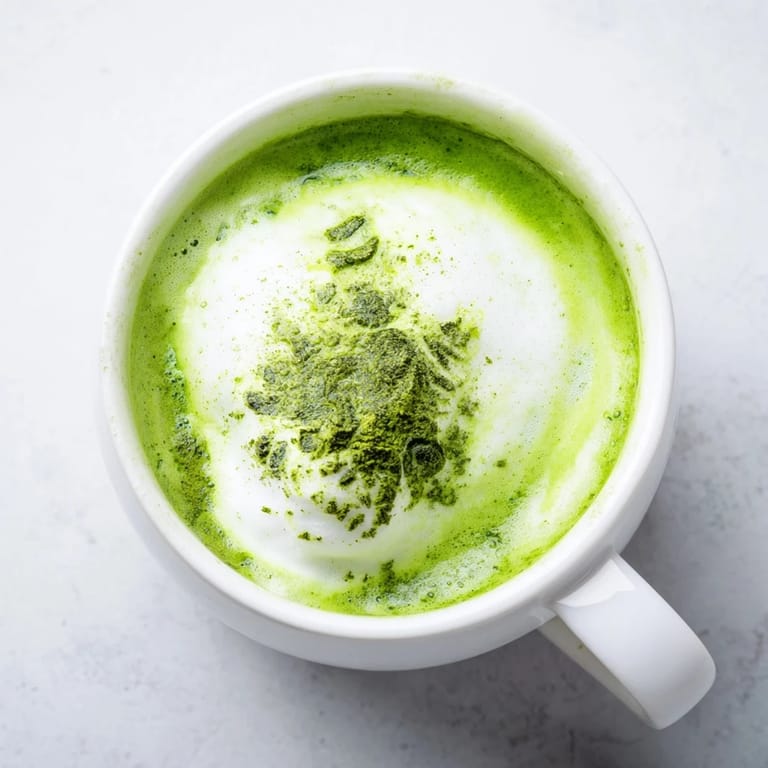
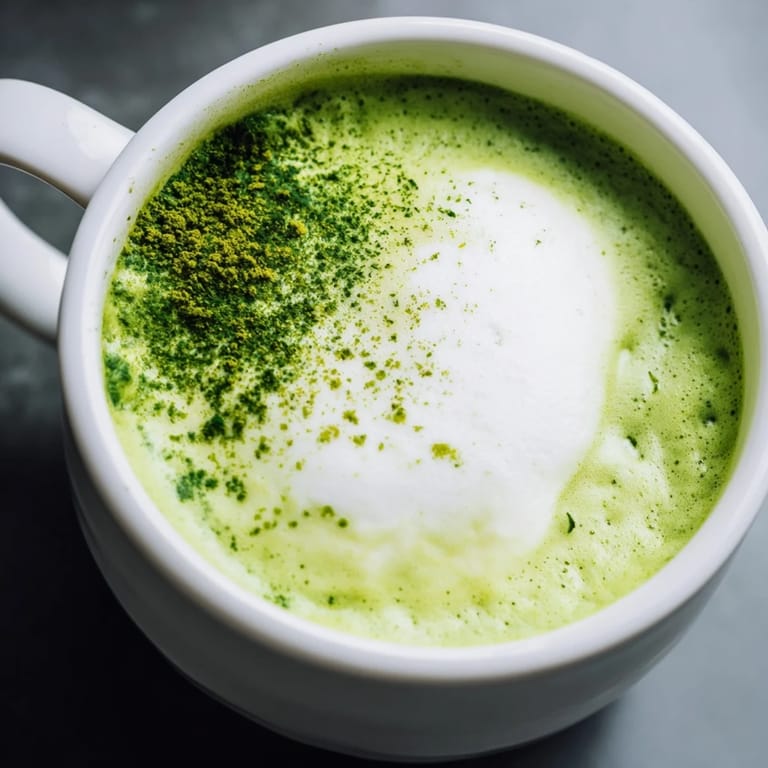
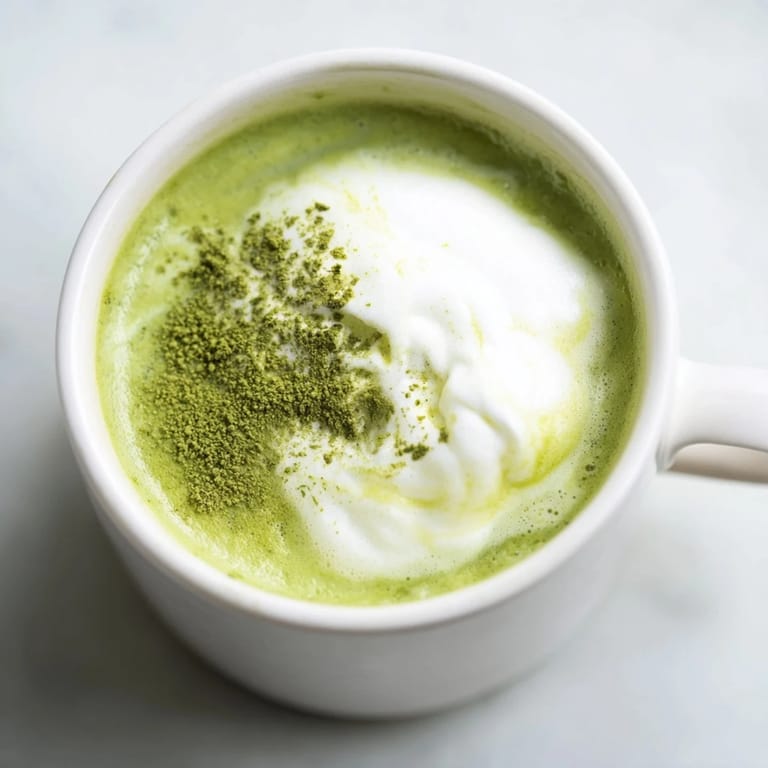
- Pour your steamed milk slowly into each mug, holding back foam with a spoon. Then crown each latte with the reserved foam, watching as the green and white create a marbled effect that signals perfection.
 Save
Save On particularly stressful mornings, this matcha latte became my anchor ritual. I remember one deadline day when my internet went out, my backup files were corrupted, and panic was setting in. Instead of spiraling, I paused to make this latte, focusing on each step with methodical attention. The familiar process reset my mind, and by the final sip, I had formulated a solution to recover my work. Sometimes the ceremony is as nourishing as the drink itself.
Seasonal Adaptations
Summer transforms this warm comfort into a refreshing escape when poured over ice. I discovered this by accident during a heatwave when even standing near a stove felt unbearable. Simply prepare the matcha base as directed, then shake vigorously with cold milk and ice in a mason jar. The foam created this way has a different texture, airier and more substantial, clinging to the sides of the glass like sea foam on shore.
Matcha Quality Matters
After experimenting with various matcha sources, the difference between ceremonial and culinary grades became strikingly apparent. Lower grades produced a murky, bitter drink that no amount of sweetener could salvage. When I finally invested in proper ceremonial matcha, the vibrant color alone signaled the transformation before I even tasted it. The bright green powder had a sweet, grassy aroma that translated into a smooth, complex flavor without astringency.
Creating Your Matcha Moment
The full experience of matcha extends beyond taste to the mindful preparation and serving. In Japan, matcha is traditionally whisked in ceramic bowls with distinct aesthetic qualities that enhance appreciation. At home, I use wide, shallow mugs that allow room for proper whisking and showcase the layer of foam floating atop the vibrant green base.
- Choose vessels with lighter interiors to appreciate the true color of your matcha.
- Consider temperature when selecting cups, as too thin a vessel will cool quickly while too thick might feel unwieldy.
- Reserve special cups just for matcha to create ritual and prevent lingering flavors from previous beverages.
 Save
Save This matcha latte has become more than just a drink in my daily rhythm, it's a moment of intention before the day unfolds. Whether shared with friends or savored in solitude, there's something quietly powerful about transforming these simple ingredients into something so vibrantly alive.
Recipe FAQs
- → What is matcha and why is it used in lattes?
Matcha is a finely milled green tea powder from Japan. Unlike regular tea, you consume the whole leaf, providing more nutrients and antioxidants. Its smooth, slightly earthy flavor blends beautifully with milk, creating a naturally creamy and energizing beverage without bitterness when prepared correctly.
- → How do I prevent lumps when making matcha latte?
Always sift the matcha powder through a fine mesh sieve before adding water. This breaks up clumps and ensures smooth dispersion. Then whisk vigorously in a zigzag motion with hot water until the powder fully dissolves and becomes frothy.
- → What water temperature should I use for matcha?
Use water heated to about 80°C (175°F), not boiling. Boiling water can destroy matcha's delicate flavor and reduce its nutritional benefits. If you don't have a thermometer, let recently boiled water cool for 2-3 minutes before whisking.
- → Can I make this with non-dairy milk?
Absolutely. Almond, oat, soy, and coconut milk all work wonderfully. Oat milk creates a naturally creamy texture similar to dairy. If using these alternatives, opt for plant-based sweeteners like agave or maple syrup to maintain the natural flavor profile.
- → How can I make the latte stronger or milder?
Adjust the matcha powder amount based on preference. Start with 2 teaspoons and increase to 2.5 or 3 teaspoons for a stronger flavor. Decrease to 1.5 teaspoons for a milder taste. You can also vary milk quantity while keeping matcha consistent.
- → Can I prepare matcha latte in advance?
Matcha is best consumed immediately after preparation for optimal flavor and froth. However, you can whisk the matcha mixture ahead and refrigerate the steamed milk separately. Combine just before serving for best results and texture.