 Save
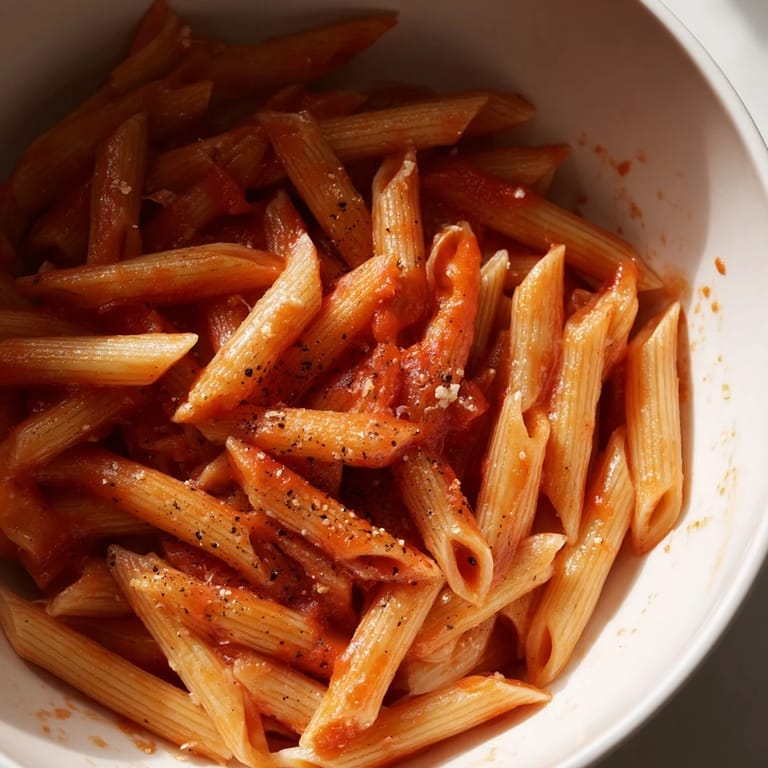
Save I discovered microwave pasta on a rainy afternoon when my stove suddenly quit working. Standing in my kitchen with rumbling stomach and limited options, I almost gave up on pasta night until I remembered my college roommate cooking everything in her microwave. With skepticism but desperate hunger, I dumped some penne in a bowl with water and salt, hit start on the microwave, and was genuinely shocked at how perfectly al dente it turned out.
Last summer during a power outage that knocked out our gas but left electricity running, this recipe saved dinner for my neighbors children. They crowded around my kitchen island, fascinated by the bubbling bowl in the microwave, and when I told them it was pasta cooking without a stove, their eyes widened like Id performed magic. Now the older one asks for microwave pasta whenever she visits, claiming it tastes better than the regular kind.
Ingredients
- 85g (3 oz) dried pasta: Shorter shapes like penne, fusilli, or elbow macaroni cook most evenly in the microwave, while long pasta like spaghetti tends to cook unevenly and stick together.
- 375 ml (1½ cups) water: The ratio of water to pasta is crucial here more than youre used to on the stovetop ensures the pasta wont dry out during cooking.
- ¼ tsp salt: Even in microwave cooking, properly seasoned water makes all the difference between bland and delicious pasta.
- Optional add-ins: A bit of olive oil or butter, Parmesan cheese, black pepper, and marinara sauce or pesto transform this from survival food to a genuinely satisfying meal.
Tired of Takeout? 🥡
Get 10 meals you can make faster than delivery arrives. Seriously.
One email. No spam. Unsubscribe anytime.
Instructions
- Select the right bowl:
- Choose a microwave-safe bowl thats at least twice the size of your pasta and water combined. The pasta will bubble up dramatically during cooking.
- Combine pasta and water:
- Add pasta, water, and salt to your bowl, giving it a quick stir so nothing sticks together from the start.
- First microwave burst:
- Microwave uncovered on high for 4 minutes, which kickstarts the cooking process. Youll see the water begin to absorb into the pasta.
- Incremental cooking:
- Stir the pasta well, then continue microwaving in 2-minute increments, stirring after each round. The gradual approach prevents overflow and ensures even cooking.
- Check for doneness:
- After about 8-10 minutes total, test a piece of pasta for that perfect al dente texture. The water should be mostly absorbed, but you might need to drain a little excess.
- Add your finishing touches:
- Stir in olive oil or butter while the pasta is hot, then add cheese, pepper, and sauce if using. The residual heat will melt everything together beautifully.
- Serve immediately:
- Microwave pasta is at its best right away, so dig in while its hot. The texture changes more quickly than stovetop pasta as it cools.
 Save
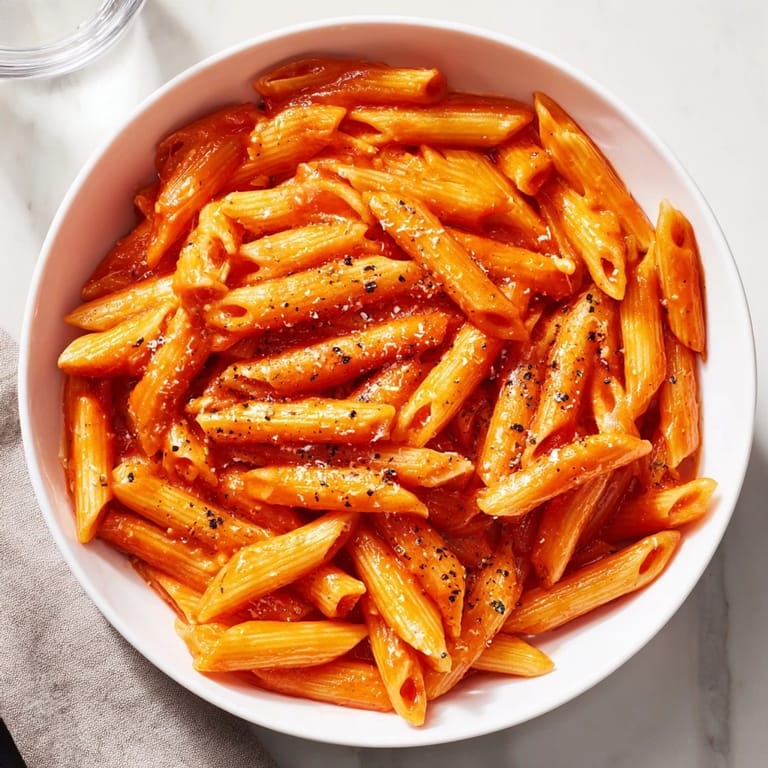
Save When my daughter moved into her first apartment with a kitchen the size of a postage stamp and barely any counter space, I taught her this microwave pasta method over video chat. She texted me a picture of her dinner that night a simple bowl of microwave pasta with butter and Parmesan with the message Mom, I feel like a real adult now. That message is still saved on my phone, a reminder that cooking doesnt always need to be complicated to nourish both body and spirit.
Making It a Complete Meal
This bare-bones cooking method becomes surprisingly versatile when you get creative with add-ins. I often microwave frozen peas in the same bowl for the final minute of cooking, or stir in canned tuna and a splash of olive oil for a quick protein boost. Pre-cooked chicken strips, a handful of baby spinach that wilts from the residual heat, or even leftover roasted vegetables can transform this emergency meal into something you might actually crave regularly.
Troubleshooting Common Issues
Over the dozens of times Ive made microwave pasta, Ive learned that overflow is the most common problem. If your mixture keeps bubbling over despite using a large bowl, try covering it with a microwave-safe plate that allows a small gap for steam to escape. Another issue might be uneven cooking if your microwave has hot spots. In that case, rotating the bowl halfway through each cooking interval makes a noticeable difference in how evenly the pasta cooks.
Adapting for Different Diets
Ive experimented with various pasta types in the microwave and found most alternatives work with minor adjustments. Gluten-free pasta typically needs about a minute less cooking time and benefits from an extra splash of water. Chickpea or lentil pastas release more starch, so they require a larger bowl to prevent overflow.
- For a vegan version, skip the cheese and butter and finish with nutritional yeast and olive oil instead.
- To reduce carbs, try using half pasta and half zucchini noodles, adding the zucchini only in the final minute.
- For extra protein without meat, stir in a spoonful of white beans or a dollop of ricotta after cooking.
 Save
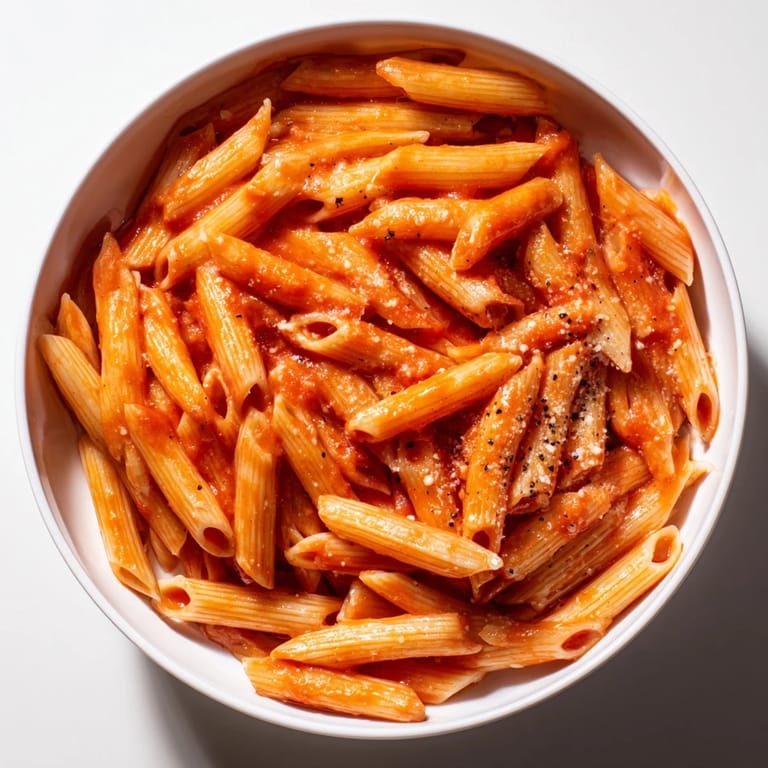
Save This humble bowl of microwave pasta reminds me that good cooking isnt always about fancy techniques or expensive equipment. Sometimes its about finding clever solutions that fit your life exactly as it is right now.
Recipe FAQs
- → Can I use fresh pasta instead of dried pasta?
Fresh pasta will cook much faster than dried pasta. Start with 2-3 minutes of microwave time and check for doneness, as fresh pasta typically requires only half the cooking time of dried varieties.
- → What should I do if water boils over?
Use a large bowl to prevent boiling over—the pasta should not fill more than half the bowl initially. If overflow occurs, reduce the bowl fill level or pause and carefully remove excess water before continuing to microwave.
- → How do I know when the pasta is done?
The pasta is done when it reaches al dente texture and most water is absorbed. Cooking time varies by pasta shape and microwave wattage, typically 8-10 minutes total. Taste a piece to confirm tenderness.
- → Can I add vegetables or protein to this dish?
Absolutely. Stir in cooked vegetables, herbs, or pre-cooked protein after microwaving the pasta. This transforms the dish into a more substantial, complete meal with added nutrition.
- → Is this method suitable for gluten-free pasta?
Yes, gluten-free pasta works well with this method. Check for doneness frequently as cooking times may vary from regular pasta. Start checking around 7-8 minutes and adjust as needed.
- → What pasta shapes work best for microwave cooking?
Penne, fusilli, and elbow macaroni work best. These shapes cook evenly and won't clump together as easily. Shorter, thicker shapes are more forgiving than long, thin varieties like spaghetti.