 Save
Save The first time I baked this lemon curd layer cake, sunlight poured through the kitchen window, bouncing off a pile of zesty lemons waiting on the counter. My hands still smelled gently of citrus as I whisked the curd, listening for just the right bubbling sound. Somewhere between layering the cake with tangy curd and cloudlike cream, I realized the whole kitchen had filled with a mix of floral and lemony brightness. Even before I finished, a few edible petals had already strayed across the worktop, hinting at the final touch. This cake is as much about the playful process as the end result.
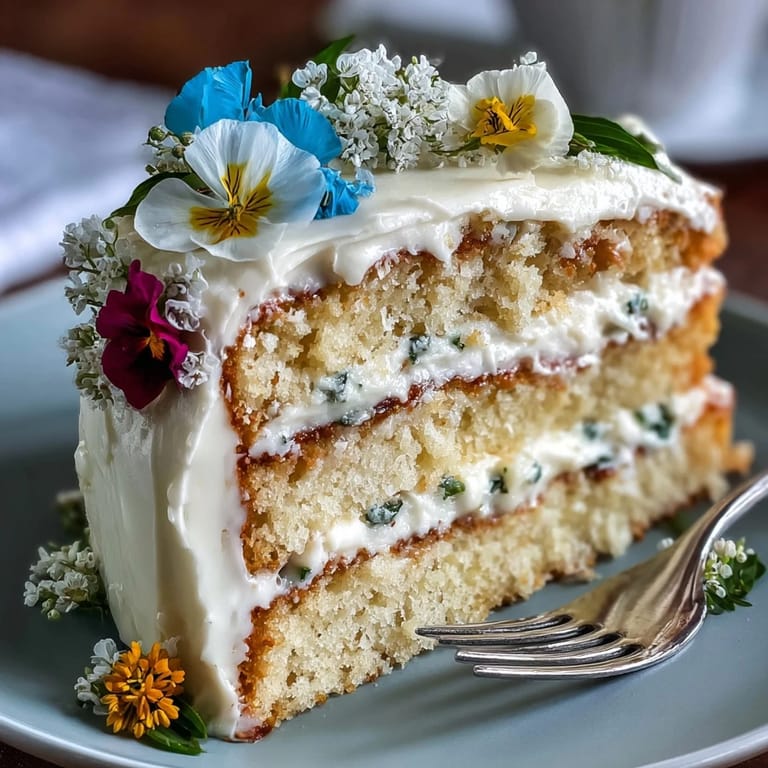
Last Mother's Day, I snuck into the kitchen early, determined to surprise my mom with something as beautiful as her garden in springtime. Her delighted laugh when she saw the layers studded with flowers is a sound I'll always treasure. She insisted we cut generous slices, not letting any of the lemon curd go to waste. Sharing cake in the sunny backyard, I learned that sometimes, the prettier you make dessert, the more fiercely everyone seems to dig in. It became less about perfection and more about coming together for a moment of joy.
Ingredients
- All-purpose flour: Use a gentle hand—overmixing can toughen the final sponge, which should be as soft as a pillow.
- Baking powder & baking soda: The dual leaveners coax just the right rise, so the layers stay fluffy and never dense.
- Salt: Just half a teaspoon sharpens the flavors of both cake and curd, balancing out all that sweet-tart brightness.
- Unsalted butter: Room temperature is key—it creams up lighter, lending the cake its tender crumb.
- Granulated sugar: Helps the cakes caramelize slightly at the edges so they release beautifully from the pans.
- Eggs: Make sure they’re room temp so they blend in without curdling—my trick is to set them in warm water for a few minutes if I forget.
- Lemon zest & juice: Only use fresh; bottled just doesn’t sing the same in a homemade curd and cake.
- Vanilla extract: Just enough to mellow out the tang of all that citrus—pure vanilla is worth it here.
- Whole milk: The richness brings delicate moisture; a splash more if the batter seems too stiff (humidity sometimes plays tricks in my kitchen!).
- Heavy cream: Must be very cold—otherwise it refuses to whip up into the sturdy peaks needed for stacking.
- Powdered sugar: Dissolves instantly for a smooth, not gritty, whipped cream finish.
- Edible flowers: Always double check your source—garden-grown or purchased organic is best, and pansies, violas, and nasturtiums are both safe and stunning for decoration.
Tired of Takeout? 🥡
Get 10 meals you can make faster than delivery arrives. Seriously.
One email. No spam. Unsubscribe anytime.
Instructions
- Prep your pans:
- Line and grease your cake tins so the layers release in one perfect piece—the sizzle of butter on metal is so satisfying.
- Whisk dry ingredients:
- Combine the flour, baking powder, baking soda, and salt in a bowl and set aside; watch for any hidden lumps and whisk them out now.
- Cream butter & sugar:
- Beat until the mixture is impossibly light and fluffy; when you rub it between your fingers, it should feel like soft clouds.
- Add eggs & citrus:
- Crack in eggs one by one, then add all the vibrant zest and juice—listen as the batter makes a happy, lemony hiss.
- Fold in flour & milk:
- Alternately mix the dry ingredients and milk into your batter, starting and ending with flour, until just combined—overmixing will rob your cake of its bounce.
- Bake the cakes:
- Divide the batter evenly, smoothing the tops. Pop them in the oven and watch them rise, turning lightly golden at the edges.
- Cool completely:
- Let the cakes rest in their pans for 10 minutes, then invert onto a rack—don’t rush, or warm cakes will crumble.
- Make lemon curd:
- Whisk eggs, sugar, zest, and juice together in a saucepan, then cook, stirring constantly, until the texture thickens and leaves trails on the back of your spoon.
- Finish with butter:
- Remove from heat and stir in the butter pieces until glossy and smooth, then set aside under plastic so no skin forms as it chills.
- Whip the cream:
- Beat cream with powdered sugar and vanilla until it holds peaks—a chilled bowl and whisk make this work like magic.
- Assemble the layers:
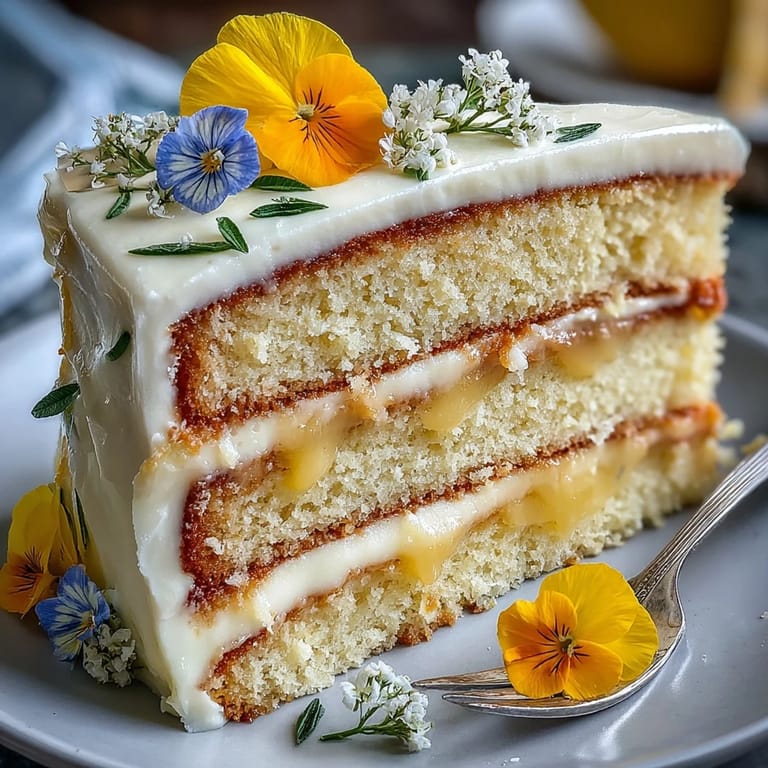
- Stack cake, cream, and lemon curd in alternating layers, spreading each component with the back of a spoon, letting a little curd peek through the edges.
- Frost and decorate:
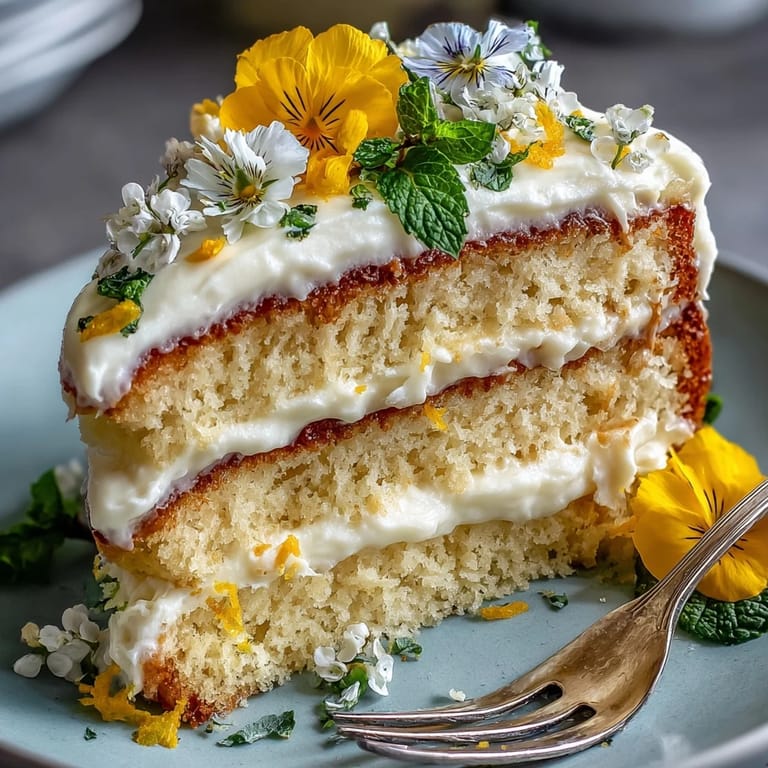
- Generously blanket the cake with whipped cream, then scatter edible petals, tucking them gently so they look as if they’ve just landed from a spring breeze.
 Save
Save 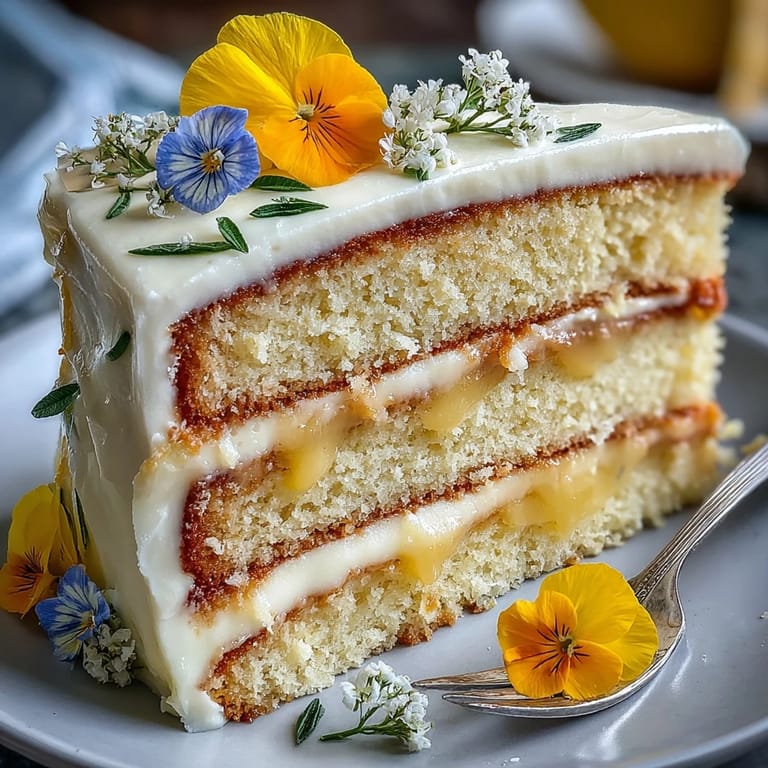 Save
Save The afternoon I made this cake to celebrate my sister’s birthday, we laughed at my crooked layering but agreed it tasted like a dream. Watching her steal spoonfuls of leftover lemon curd from the bowl, I realized sometimes the extra filling is the chef’s secret bonus. Sweet memories like these have turned this cake into a centerpiece for special days. It seems to spark more smiles whenever shared. The edible flowers are now my signature finishing touch, and everyone has a favorite bloom they like to pluck first.
Choosing and Using Edible Flowers
I learned quickly to always triple-check my flower selection—one sniff of a not-so-nice flower can ruin the whole experience. I pick fresh, organic blooms early in the morning for the brightest color and crispest petals. If you grow your own, avoid chemical sprays and wash the flowers carefully before using. Some petals like roses or violas hold up best under refrigeration. It’s worth having a few extra in case you need to swap out any that wilt while assembling.
Mastering Lemon Curd at Home
I used to feel nervous whisking eggs for curd, afraid I'd end up with scrambled bits, but keeping the heat low and stirring constantly prevents disaster. If you spot tiny lumps, press the curd through a fine sieve for absolute silkiness. Don’t be afraid to taste as you go; sometimes that extra hit of zest is what brightens everything. Properly made, the curd should wobble slightly when chilled, spreading easily between cake layers. Leftovers are delightful on toast the next day—or straight from a spoon.
Making the Cake Layers Ahead
Once, pressed for time, I baked the cakes and prepped the curd the night before, wrapping them tightly in plastic so nothing dried out. Assembly took half as long the next day, and the flavors seemed even livelier—lemon, especially, gets zingier with a night to rest. If you stack the layers while they’re cold, everything is easier to handle and the cake stands tall without shifting.
- Label and date each wrapped layer so nothing gets mixed up.
- Add a sheet of parchment between layers if stacked for storage.
- Let cake come to room temperature before frosting—the cream holds best this way.
 Save
Save  Save
Save If you find yourself with extra edible flowers or lemon curd, take it as a sign to whip up a few surprise cupcakes or a round of lemon curd toast. Here’s to cakes that feel festive even on an ordinary afternoon—they’re the best kind to share.
Recipe FAQs
- → How do I know the lemon curd is done?
Cook the curd over medium heat, stirring constantly until it thickens and coats the back of a spoon; it will continue to set as it cools. Straining removes any bits for a smooth finish.
- → How can I keep whipped cream stable for frosting?
Use cold heavy cream and chill the bowl. Beat to stiff peaks and add powdered sugar for sweetness. For extra stability, fold in a small amount of stabilized whipped cream or a teaspoon of instant gelatin dissolved in cold water.
- → Can I prepare components ahead of time?
Yes. Bake the sponge layers and make the lemon curd up to a day ahead. Store both chilled in airtight containers and assemble shortly before serving for best texture and appearance.
- → Are there substitutions for dairy or eggs?
Eggs are essential for the curd and traditional sponge structure; swapping requires alternative techniques. For dairy, try non-dairy creams formulated for whipping and an oil-based sponge, but texture and flavor will differ.
- → How should I prepare edible flowers?
Use only food-grade, pesticide-free flowers. Gently rinse and pat dry, and add them to the cake just before serving to preserve color and freshness.
- → Any tips for even cake layers?
Divide batter with a kitchen scale for equal layers, tap pans to remove air bubbles, and rotate pans in the oven if needed. Let layers cool in pans briefly before transferring to a rack.