 Save
Save The first time I tried baking a Rosé Velvet Cake, the kitchen filled with the gentle fragrance of wine and vanilla long before the batter hit the oven. Instead of an elaborate plan, it all started because a friend left a bottle of sparkling rosé behind after a spring brunch, and I couldn't resist experimenting. Pink velvet sounded extravagant, and the thought of painting gold drips made me giddy (and slightly nervous) with anticipation. It's funny how the soft blush of the cake seemed to brighten up even the gloomiest afternoon and drew everyone in for an extra slice. This recipe is all about those little joys—unexpected elegance, a hint of celebration, and a bit of edible glamour.
I still laugh about the time I tried rushing the gold drip and ended up with golden fingerprints everywhere—right as the bride arrived early to her own shower. Friends hovered around, sneaking tastes of leftover frosting, debating whether to add edible flowers or go full glam with gold leaf. That whole afternoon turned into a cake-decorating assembly line, everyone fussing over where the prettiest drips should fall. The cake disappeared before I could even snap a proper photo. It became a memory iced in laughter and little flecks of gold.
Ingredients
- All-purpose flour: Sifting it with cornstarch gives a fine, tender crumb that holds up to the moistness from the wine and buttermilk.
- Cornstarch: This extra touch brings cake-shop softness to the texture—don&apost skip it if you want that ‘velvet’ feel.
- Unsweetened cocoa powder: Just a little gives depth and color, making the cake blush pink instead of candy-bright.
- Baking soda: Helps the cake rise beautifully without tasting metallic or dense.
- Salt: Balances the sweetness so the cake isn&apost cloying.
- Unsalted butter: Room temperature gives the batter a pillowy start, so leave it out well ahead of time.
- Granulated sugar & light brown sugar: This duo creates both sweetness and a hint of caramel depth you can taste in every slice.
- Eggs: Room temperature eggs keep the batter emulsified and airy for the perfect crumb.
- Rosé wine: Use a dry, fruity style for best color and flavor—nothing syrupy sweet.
- Buttermilk: Adds a subtle tang and moistness you&apost want to miss out on.
- Vanilla extract: Your kitchen will smell irresistible, go with pure vanilla for best aroma.
- Pink gel food coloring (optional): Just a smidge gives a vibrant hue, but the color is pretty even without it.
- Cream cheese: Needs to be at room temp or you&apost get that dreamy smooth frosting.
- Confectioners’ sugar: Sift for cloudlike frosting with no hidden lumps.
- White chocolate chips & heavy cream: They create a luscious drip that sets perfectly for painting.
- Edible gold luster dust & clear vodka or lemon extract: This duo makes real gold paint—start with less, you can always add more.
Tired of Takeout? 🥡
Get 10 meals you can make faster than delivery arrives. Seriously.
One email. No spam. Unsubscribe anytime.
Instructions
- Prep the pans:
- Preheat the oven to 350°F (175°C), grease and line three 8-inch cake pans, making sure to press parchment into the bottom for easy removal.
- Mix dry ingredients:
- In a medium bowl, sift together flour, cornstarch, cocoa, baking soda, and salt until they look airy and uniform.
- Cream the butter and sugars:
- Whip the room temperature butter with granulated and brown sugar on medium speed for 3-4 minutes, until billowy and pale—this is where the magic starts.
- Add eggs and flavor:
- Crack the eggs in one at a time, mixing well after each, then blend in the vanilla; pause here to scrape the bowl, it makes a difference.
- Combine wet mix:
- In a jug, stir together the rosé and buttermilk—it looks a bit odd, but don&apost worry, it works wonders.
- Bring it all together:
- With the mixer on low, alternate adding the flour mix and rosé-buttermilk mixture in three additions, starting and ending with flour, and add a dot of food coloring for a deeper pink if you like.
- Bake the layers:
- Divide batter evenly into pans, smooth with a spatula, and bake 28-32 minutes until a toothpick emerges clean with just a crumb or two; let cakes cool in pans 10 minutes, then turn onto wire racks to cool fully.
- Make the frosting:
- Beat cream cheese and butter until completely smooth, then sift in confectioners’ sugar, pour in vanilla and a pinch of salt, beating until fluffy and spreadable.
- Stack and frost:
- Layer the cakes with frosting between each, then cover the outside and smooth with an offset spatula; chill for at least 30 minutes so everything stays put for decorating.
- Gold drip time:
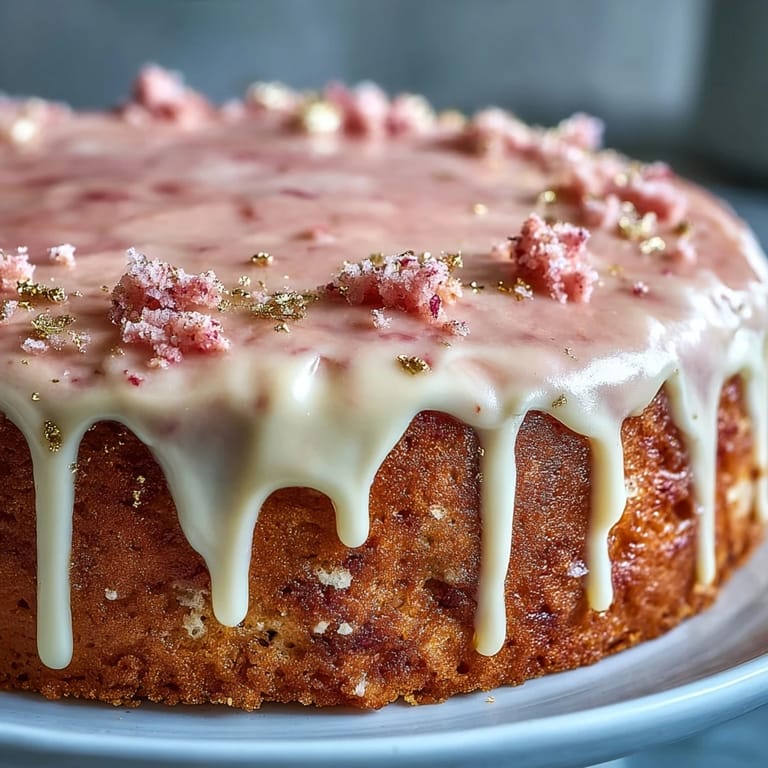
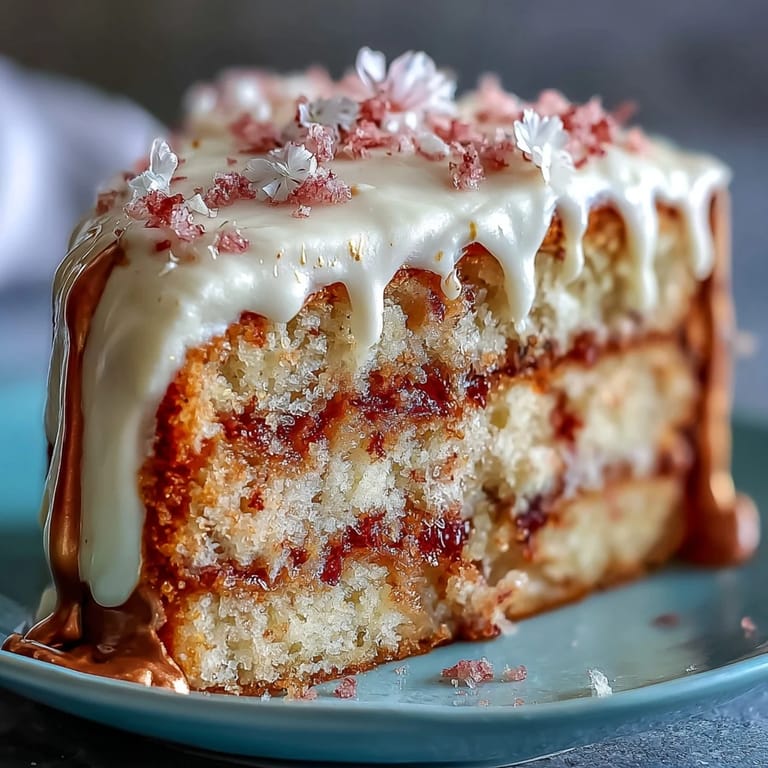
- Melt white chocolate and cream gently over simmering water, stir until glossy, let cool slightly, then spoon around the cake’s edge to create soft drips; refrigerate to set.
- Paint the drips:
- Mix gold luster dust with a few drops of vodka or lemon extract and, with a tiny brush, sweep over the hardened chocolate drips until they glow.
- Add final touches:
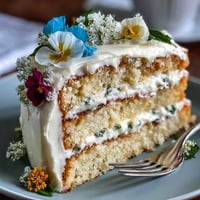
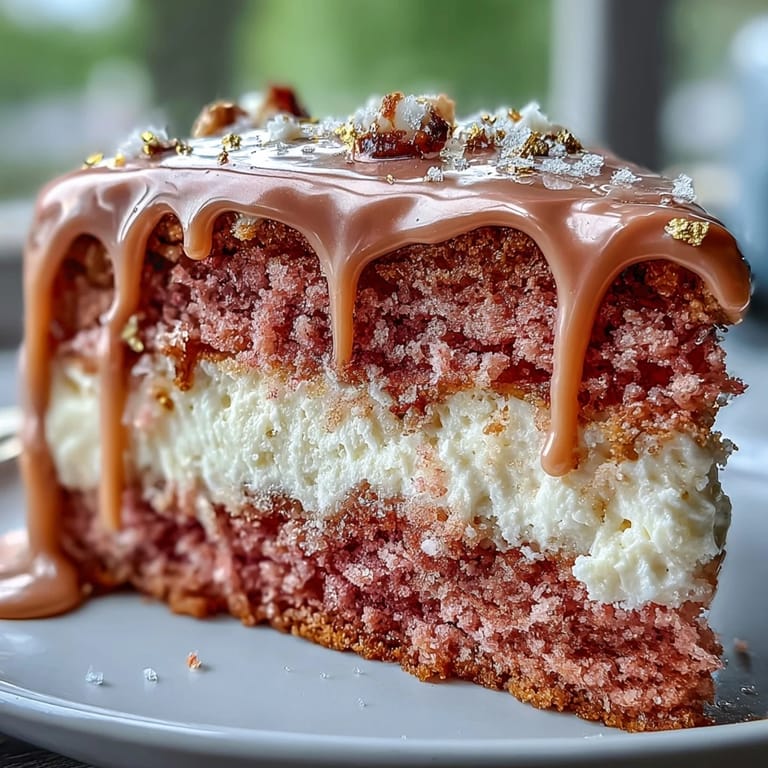
- Top with edible flowers or gold leaf if you feel extra fancy—let your creativity run wild here.
 Save
Save 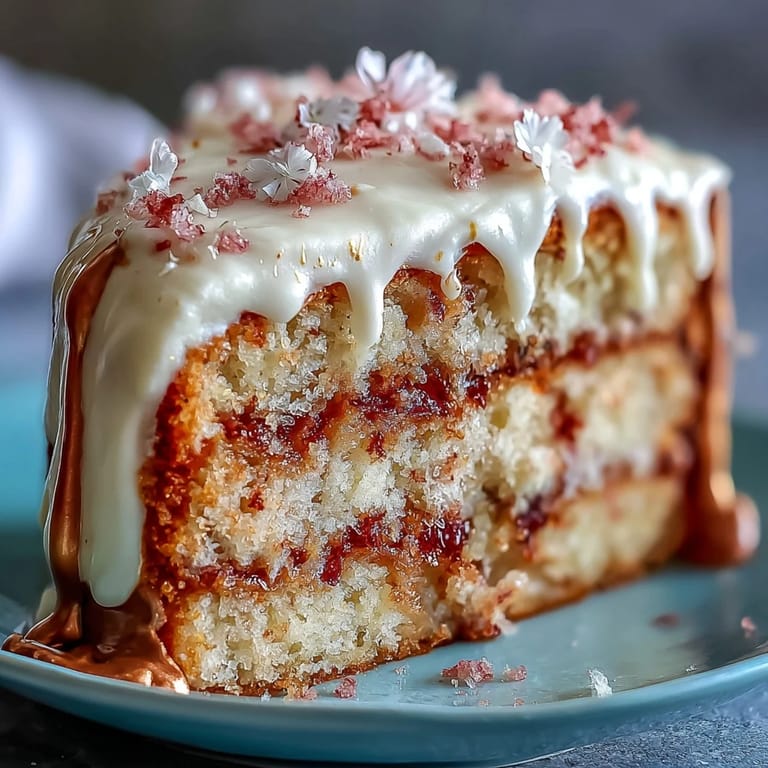 Save
Save When the bridal shower guests gathered and the cake was brought out, there was this little collective gasp—the kind of moment that makes every golden splatter in the kitchen suddenly feel worth it. Someone toasted with a glass of rosé, and the cake slices vanished in a blur of compliments and clinking forks.
Choosing and Using Rosé for the Cake
Finding the right rosé makes all the difference here: a dry, medium-bodied bottle adds a subtle berry perfume to the crumb without overpowering or tasting too sweet. If you can&apost taste a hint of strawberry or melon in the sip, the flavor won&apost shine through the cake. Light sparkling rosé works in a pinch, lending a fun heady aroma to the kitchen when you’re mixing. For a non-alcoholic shower, pink grape juice or sparkling cider are genuinely delicious swaps—don’t worry, you still get the playful color. I learned the hard way that cheaper, overly sweet rosé gives a bland cake, so pick the bottle you’d serve guests.
Perfecting That Gold Drip
That glistening gold drip is all about timing and finesse—wait until your ganache is slightly cooled, so the drips don't pool at the base. Using a tiny spoon gives you more control than a squeeze bottle or piping bag, plus you can adjust each drip’s length. The first time I painted the drips gold, I got a little carried away and ended up with shimmery chocolate fingerprints, so resist the urge to rush. If you can’t find gold dust, a touch of edible gold leaf does the trick beautifully. Remember: don’t even think about gold painting until the drip is fully set and cool to the touch.
How to Keep the Cake Soft, Tall and Celebratory
Let the layers cool on a rack at room temperature—never stack warm cakes or the frosting will vanish faster than a glass of wine at a celebration. Sifting your dry ingredients is worth the extra minute, you’ll taste the difference in the crumb. When spreading the frosting, use an offset spatula dipped in hot water for that extra professional swipe—no weird lumps or ridges. Chilling each layer in the fridge as you assemble results in taller, straighter cakes when it’s finally time to decorate. If you catch yourself fussing over imperfections, remember: edible flowers or berries on top forgive all.
- Keep any leftover cake chilled, but serve slices at room temperature for the best texture.
- Swap in gluten-free flour blend if you need to serve a mixed crowd—just check for extra moisture.
- Don&apost skimp on the edible decorations; they're half the fun and all the wow factor.
 Save
Save 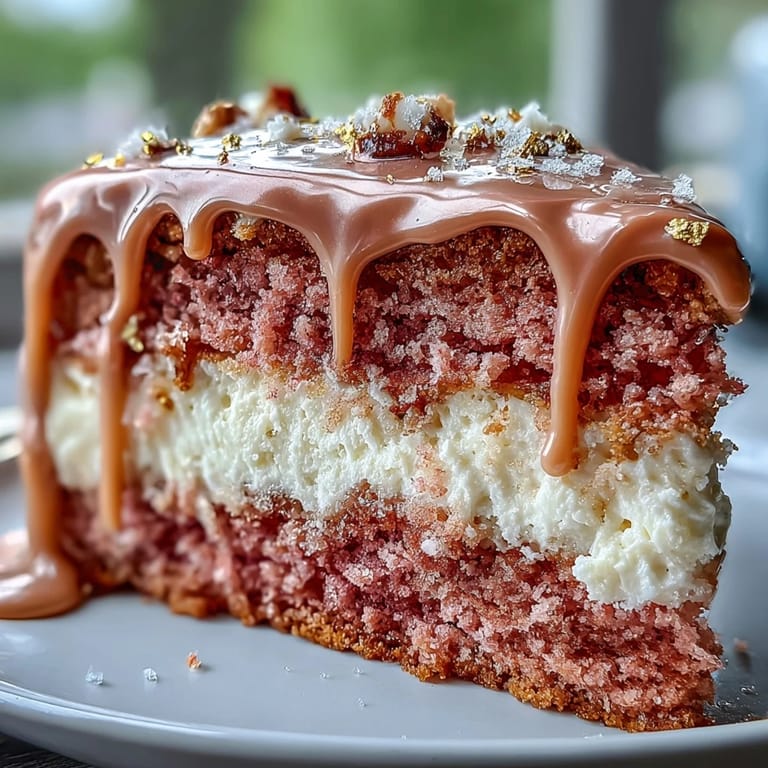 Save
Save If you make this Rosé Velvet Cake for your next celebration, trust that every bit of glimmer is worth the mess. May your kitchen fill with laughter, new memories, and maybe a little edible gold dust, too.
Recipe FAQs
- → How can I keep the cake layers moist?
Use room-temperature butter and eggs, avoid overbaking, and measure flour accurately. Brushing each layer with a light syrup or a touch of rosé (or pink grape juice for alcohol-free) before frosting helps lock in moisture.
- → What’s the best way to get an even pink hue?
Gel food coloring gives the most vibrant color without thinning the batter. Add a little at a time until you reach the desired shade. Cocoa powder in the batter will deepen the blush, so adjust coloring accordingly.
- → How do I make a stable cream cheese frosting for stacking?
Beat room-temperature cream cheese and butter until smooth, then gradually add sifted confectioners’ sugar. Chill the frosting briefly if it becomes too soft. For extra stability in warm conditions, fold in a small amount of stabilized whipped cream or a teaspoon of cornstarch.
- → How is the gold drip made and applied?
Gently heat white chocolate with cream until smooth to make a ganache. Cool slightly before spooning or piping a thin drip around the edge. Once set, mix edible gold luster dust with a few drops of vodka or lemon extract to form a paint and brush onto the cooled drips.
- → Can I make this without alcohol?
Yes. Substitute the rosé with pink grape juice, nonalcoholic sparkling cider, or a concentrated berry syrup to retain fruity flavor without alcohol.
- → How should I store and transport the finished cake?
Keep the frosted cake chilled until a few hours before serving. For transport, place it in a sturdy box on a flat surface and keep it cool. Refrigerate leftovers in an airtight container for up to 3 days.