 Save
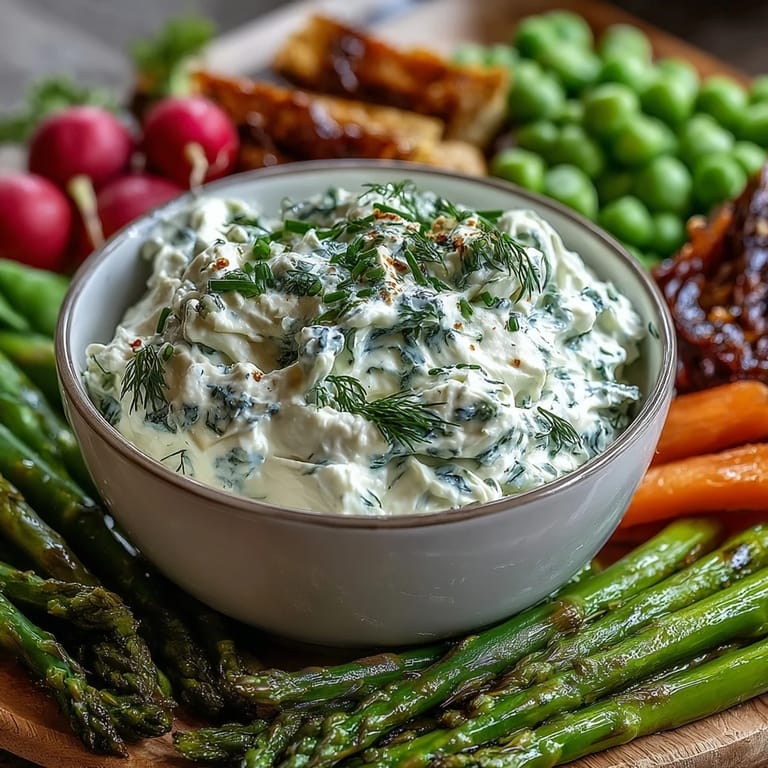
Save Last spring, my neighbor mentioned she'd been craving something fresh and light for a Sunday gathering, and I found myself wandering through the farmers market noticing how the radishes practically glowed in their bunches. That afternoon, I assembled what became this vibrant board—not from a recipe, but from the simple pleasure of arranging what the season offered. The creamy herb dip came together almost by accident when I realized Greek yogurt mixed with fresh herbs tasted infinitely better than anything bottled, and suddenly I understood why people got so excited about spring vegetables.
I made this for my daughter's school potluck once, nervous it was too simple, but three parents asked for the dip recipe—and not the fancy kind, but the actual written instructions because they wanted to recreate it at home. That's when I realized this wasn't about complexity, it was about capturing the taste of spring on a plate.
Ingredients
- Breakfast radishes (1 bunch, halved): They're crisp, peppery, and their thin skins mean less peeling work, unlike larger varieties that need aggressive scrubbing.
- Sugar snap peas (1 cup, trimmed): Eat them raw straight from the board for their snappy texture and natural sweetness.
- Fresh or frozen peas (1 cup, blanched if fresh): Frozen peas are actually fresher than most fresh ones at the store since they're frozen immediately after harvest.
- Baby carrots (1 cup, peeled): Their sweetness balances the radish heat, and the orange adds visual warmth to the spread.
- Cherry tomatoes (1 cup, halved): Halving them prevents rolling across the board and makes them easier to grab.
- Cucumber slices (1/2 cup): Cut them just before serving or they'll weep liquid onto everything.
- Greek yogurt (1 cup): The tanginess keeps the dip from tasting heavy, even though it's creamy and substantial.
- Mayonnaise (2 tbsp): It emulsifies the dip and adds richness without needing extra oil.
- Fresh lemon juice (1 tbsp): Bottled juice tastes flat here, so squeeze real lemons if you can find them.
- Fresh chives, parsley, and dill (2 tbsp each, plus 1 tbsp dill): These are the soul of the dip, so use what's fresh and aromatic in your market.
- Garlic (1 small clove, minced): One clove is enough; too much overpowers the delicate herbs.
- Sea salt and black pepper (1/4 tsp salt, 1/8 tsp pepper): Taste the dip before adding more, since the yogurt and lemon already contribute saltiness.
- Microgreens (1/4 cup, optional): They add height, color, and a peppery accent that makes the board feel intentional.
- Feta cheese (1/4 cup crumbled, optional): The saltiness and tangy flavor echo the dip's flavor profile.
- Crackers or sliced baguette (optional): Toast the baguette lightly so it doesn't go soggy from the dip.
Tired of Takeout? 🥡
Get 10 meals you can make faster than delivery arrives. Seriously.
One email. No spam. Unsubscribe anytime.
Instructions
- Wash and prepare the vegetables:
- Rinse everything under cold water and pat dry so they stay crisp. Trim the radishes and peas, peel the carrots, halve the tomatoes, and slice the cucumbers, then arrange them in loose clusters across your largest serving board.
- Make the herb dip:
- Combine the Greek yogurt, mayonnaise, and lemon juice in a bowl, then fold in all the fresh herbs, minced garlic, salt, and pepper until the dip is smooth and creamy. Taste it and adjust the seasoning—the dip should taste bright and herbaceous, not bland or too garlicky.
- Transfer the dip to its spot:
- Scoop the dip into a small bowl and nestle it somewhere on the board where it won't tip over. If you're worried about it shifting, place the bowl in a slight depression or surround it with sturdier vegetables like carrots.
- Add finishing touches:
- Scatter microgreens across the board if using them, sprinkle feta cheese around the dip, and place crackers or toasted baguette slices in a corner. Step back and adjust until everything looks balanced and inviting.
- Serve immediately:
- This board is best enjoyed right away while the vegetables are at peak crispness and the dip is still cool and vibrant.
 Save
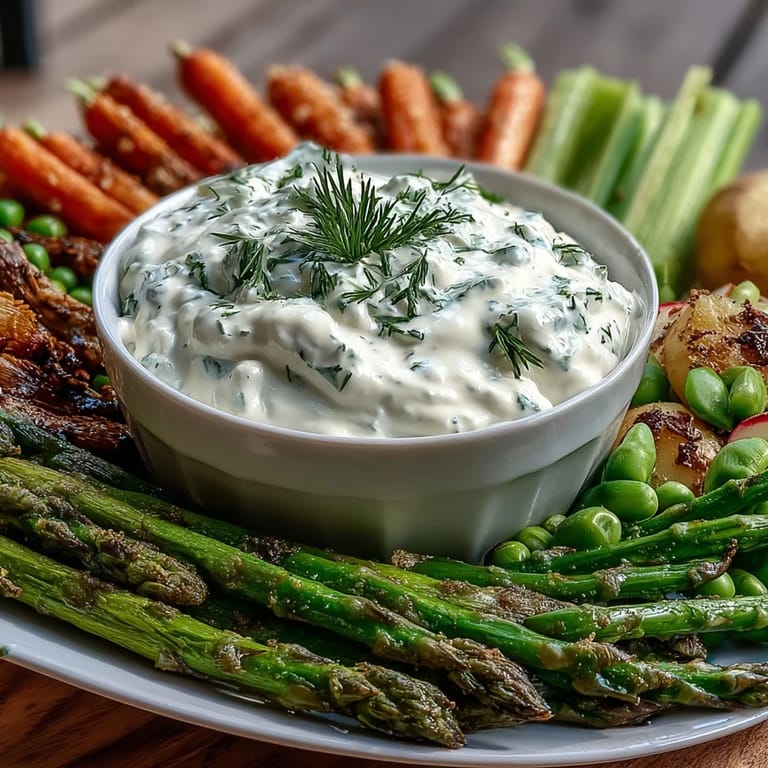
Save There's something magical about watching people gather around a board of fresh food without being prompted to sit down—they just naturally cluster and graze, and conversations flow. That's when I realized this isn't really a recipe at all, it's an invitation to slow down.
The Art of the Beautiful Board
Building a vegetable board is less about rules and more about rhythm—think of it like arranging flowers, where you're balancing color, height, and negative space. I learned to use odd-numbered clusters of vegetables (three radishes here, five peas there) because our eyes prefer odd numbers, and to create little valleys or gaps where the eye can rest. The dip acts as a visual anchor that keeps everything from feeling scattered, so don't be shy about placing it prominently.
Preparing Vegetables for Maximum Crunch
The secret to vegetables that stay crisp all evening is ice-cold water and good air circulation. I soak freshly cut vegetables in ice water for ten minutes before arranging them, which plumps up their cells and makes them snap when bitten. Pat everything dry with a kitchen towel afterward, because any lingering moisture will soften them faster and make the board look damp and sad.
Making the Herb Dip Taste Restaurant Quality
The difference between a bland dip and a memorable one comes down to using actual fresh herbs and not being stingy with them. Dried herbs taste dusty and vaguely wrong here, so if fresh herbs aren't available, reduce the amounts and add a tiny bit more lemon juice instead. The real trick I learned was making the dip the night before and letting the flavors marry in the refrigerator—it tastes noticeably better the next day, almost like the herbs deepen their green flavor.
- If you're avoiding dairy, blend silken tofu with the lemon juice and herbs for a surprisingly creamy vegan version.
- Double the dip recipe and keep it in the fridge for snacking with vegetables throughout the week.
- Add a spoonful of Dijon mustard to the dip if you want an unexpected tangy note that cuts through the richness.
 Save
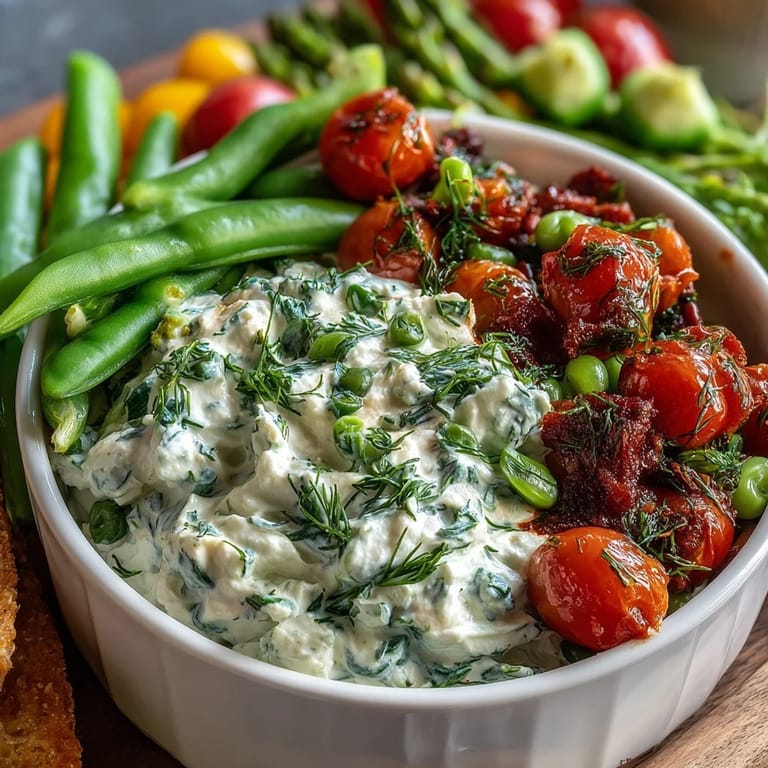
Save This board became my answer to wanting something beautiful and nourishing without spending hours in the kitchen. It's the kind of food that makes everyone feel cared for without announcing how easy it was to make.
Recipe FAQs
- → What vegetables are best for a spring food board?
Crisp vegetables like radishes, sugar snap peas, baby carrots, cucumbers, and cherry tomatoes work beautifully due to their fresh flavors and vibrant colors.
- → How can I make the herb dip creamier?
Using Greek yogurt or sour cream as a base ensures creaminess, while finely chopped fresh herbs and lemon juice balance freshness and richness.
- → Can this board be prepared in advance?
You can prepare the dip ahead and refrigerate it up to two days. Arrange vegetables just before serving to maintain crispness.
- → What garnishes enhance the spring board?
Microgreens add a delicate texture and vibrant look, while crumbled feta cheese provides a tangy contrast to the fresh vegetables.
- → Are there vegan alternatives for the herb dip?
Yes, plant-based yogurt can substitute Greek yogurt to keep the dip creamy and suitable for vegan preferences.