 Save
Save My coworker Sarah brought her grain bowl to lunch one Tuesday and I watched her mix and match ingredients like she was conducting a tiny edible orchestra. That's when it clicked for me—this wasn't just meal prep, it was permission to stop overthinking dinner entirely. You pick what sounds good, what your body needs that day, and suddenly you've made something that feels completely yours. The beauty is that there's no wrong answer, only endless possibilities in a single bowl.
I made these for my running club's post-race potluck last spring, and I remember standing in my kitchen at 6 AM, half-asleep, roasting sweet potatoes while my roommate made coffee. By the time everyone arrived, the kitchen smelled like caramelized vegetables and toasted seeds, and I'd somehow created four different versions just by changing the grain and dressing. People kept coming back for seconds, and more than one person asked if I could teach them how to do it—which is when I realized how freeing it is to just show someone the framework instead of demanding they follow rigid rules.
Ingredients
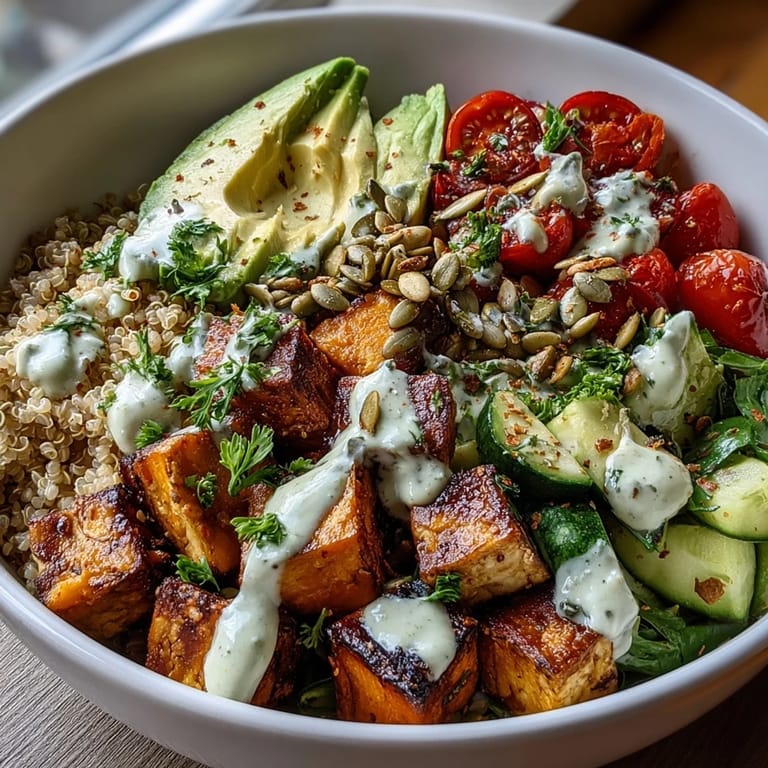
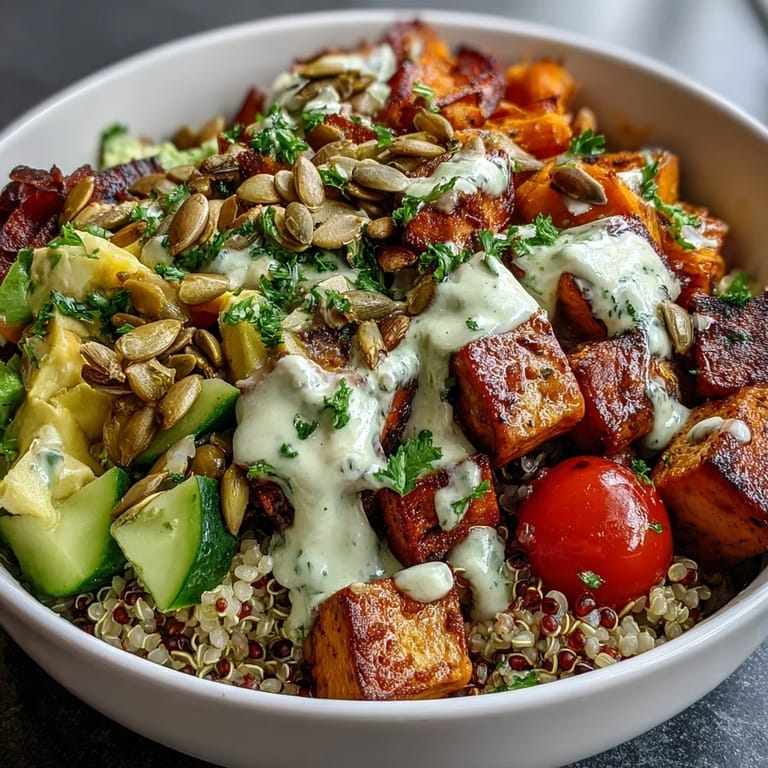
- Grains (choose 1 to 2): Brown rice brings earthiness and chew, quinoa adds protein and a slightly nutty flavor, farro has this wonderful chewy texture that makes you feel like you're eating something substantial, and couscous is quick if you're short on time.
- Proteins (choose 1 to 2): Chicken breast is reliable and neutral, baked tofu surprises people with its ability to absorb dressing flavors, chickpeas add fiber and work beautifully in vegetarian versions, and shrimp brings a completely different energy to the bowl.
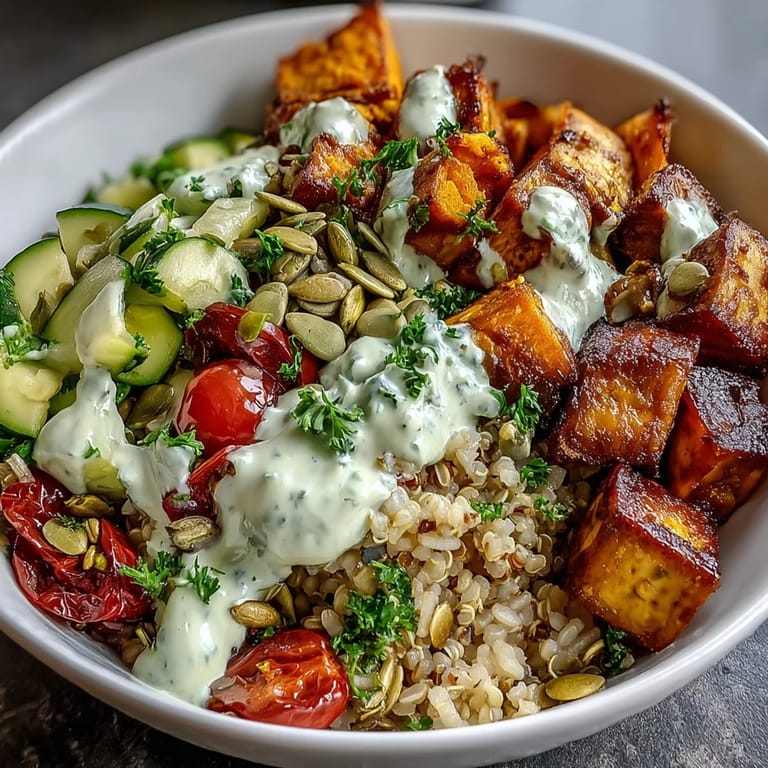
- Vegetables (choose 3 to 4): Cherry tomatoes burst with sweetness when halved, cucumber stays cool and crisp, roasted sweet potato becomes almost candy-like, broccoli gets tender and slightly charred if you roast it, shredded carrots add crunch without effort, and avocado makes everything taste a little bit luxurious.
- Toppings and extras: Feta cheese adds a salty tang that wakes up the whole bowl, toasted seeds or nuts provide satisfying crunch and healthy fats, fresh herbs brighten everything they touch, and sesame seeds look beautiful and taste toasty.
- Dressings (choose 1): Lemon-tahini is creamy and nutty, balsamic vinaigrette feels Mediterranean, soy-ginger leans savory and complex, and green goddess is herbaceous magic that works with almost any combination.
Tired of Takeout? 🥡
Get 10 meals you can make faster than delivery arrives. Seriously.
One email. No spam. Unsubscribe anytime.
Instructions
- Grain your foundation:
- Cook your chosen grains according to package instructions, then fluff them gently with a fork and let them cool slightly so they don't wilt your vegetables. If you're using leftovers from earlier in the week, this is your shortcut moment—no judgment.
- Protein your way:
- Cook, bake, or pull from the fridge whatever protein calls to you today. Leftover rotisserie chicken works just as well as something you've carefully seasoned yourself.
- Prepare your vegetables:
- Wash and chop whatever you've chosen, keeping pieces roughly the same size so the bowl feels balanced. Roast hearty vegetables like sweet potato and broccoli at 400°F for about 20 minutes, or steam them if you prefer a gentler approach.
- Build your bowl with intention:
- Start with your grain as the base, then arrange proteins and vegetables on top like you're composing something you want to photograph. Leave little gaps so the dressing can settle into pockets instead of pooling on top.
- Finish with flourish:
- Sprinkle your toppings and herbs across the top, being generous with seeds and nuts because that's where the textural surprise lives. Toast your seeds lightly in a dry pan first if you have five minutes—it transforms everything.
- Dress and serve:
- Drizzle your chosen dressing across the bowl just before eating so nothing gets soggy. If you're meal prepping, keep the dressing separate and add it when you're ready to eat.
 Save
Save My mom called me one afternoon while I was eating a bowl with my daughter at the kitchen counter, and I heard her in the background asking what we were having. When I explained the concept—that my six-year-old got to pick almost everything that went in her bowl—she went quiet for a second and then said, 'That's so smart, she'll actually eat it.' That moment made me realize this isn't just a recipe, it's a way of cooking that honors what different people need.
The Art of Customization
The real magic here is that there are no rules, which sounds chaotic until you actually start building and realize it's freeing. Some mornings I wake up wanting something warm and earthy, so I choose farro and roasted root vegetables with tahini dressing. Other days I'm craving something bright and summery, so it's quinoa with raw cucumber, tomatoes, and green goddess. The framework stays exactly the same while the experience shifts completely, which is why people keep coming back to this formula.
Meal Prep Strategy That Actually Works
Sunday afternoon is when I handle the components individually—grains in one container, roasted vegetables in another, proteins in their own spots, and dressings kept completely separate. This approach takes maybe 45 minutes of actual work but buys you four days of meals that genuinely taste fresh and intentional. When 6 PM rolls around and you're tired, you're not cooking, you're assembling, which is a completely different headspace.
Flavor Combinations That Sing
I've learned that certain combinations naturally gravitate toward each other, and once you see the pattern, you can improvise confidently. Brown rice with roasted chickpeas, sweet potato, and tahini dressing tastes like comfort. Quinoa with shrimp, cucumber, and soy-ginger dressing tastes bright and sophisticated. Farro with baked tofu, roasted broccoli, and balsamic vinaigrette tastes like you're eating in a charming restaurant. The grain acts as your anchor, the dressing as your voice, and everything else fills in the middle.
- Warm grains pair beautifully with rich dressings like tahini, while cold or room-temperature grains let lighter vinaigrettes shine.
- Add texture by always including at least one crispy element—whether that's toasted seeds, raw vegetables, or nuts that haven't been forgotten in the pantry.
- If you're adding avocado or other delicate ingredients, do that step last and eat soon after, because time works against you here.
 Save
Save This bowl taught me that the best meals are the ones that fit your actual life instead of asking your life to fit a recipe. Build it your way and eat it with intention.
Recipe FAQs
- → What grains work best for build-your-own bowls?
Brown rice, quinoa, farro, and couscous all provide excellent bases. Quinoa and brown rice offer complete proteins, while farro adds chewy texture and couscous cooks quickly. For lower-carb options, try cauliflower rice or mixed greens as your foundation.
- → How do I prep these bowls for the week?
Cook a large batch of grains and proteins on Sunday, then store in separate airtight containers. Chop vegetables and keep them ready in the fridge. Assemble bowls fresh each day—warm the grains and protein if desired, then add cold vegetables and toppings just before eating.
- → What protein options work for different diets?
Chicken breast provides lean protein, while baked tofu offers plant-based fuel. Chickpeas add fiber and work for vegan bowls, and shrimp brings quick-cooking seafood protein. Mix and match based on your preferences—each serving provides 30 grams of protein when properly portioned.
- → Which vegetables offer the best flavor and texture?
Combine raw and cooked elements for variety. Roasted sweet potatoes add sweetness, cherry tomatoes bring brightness, and cucumber offers crunch. Steamed broccoli provides substance, while shredded carrots contribute color. Creamy avocado ties everything together with rich texture.
- → What dressings complement grain bowls best?
Lemon-tahini adds creamy richness with nutty notes, balsamic vinaigrette provides tangy brightness, soy-ginger brings umami depth, and green goddess offers herbaceous freshness. The dressing ties all components together, so choose based on your flavor mood.
- → Can I make these bowls vegan or gluten-free?
Absolutely. For vegan versions, use tofu, chickpeas, or extra vegetables as protein and skip cheese. Make it gluten-free by choosing quinoa, brown rice, or certified gluten-free couscous. Always check dressing labels—some contain hidden gluten or dairy.