 Save
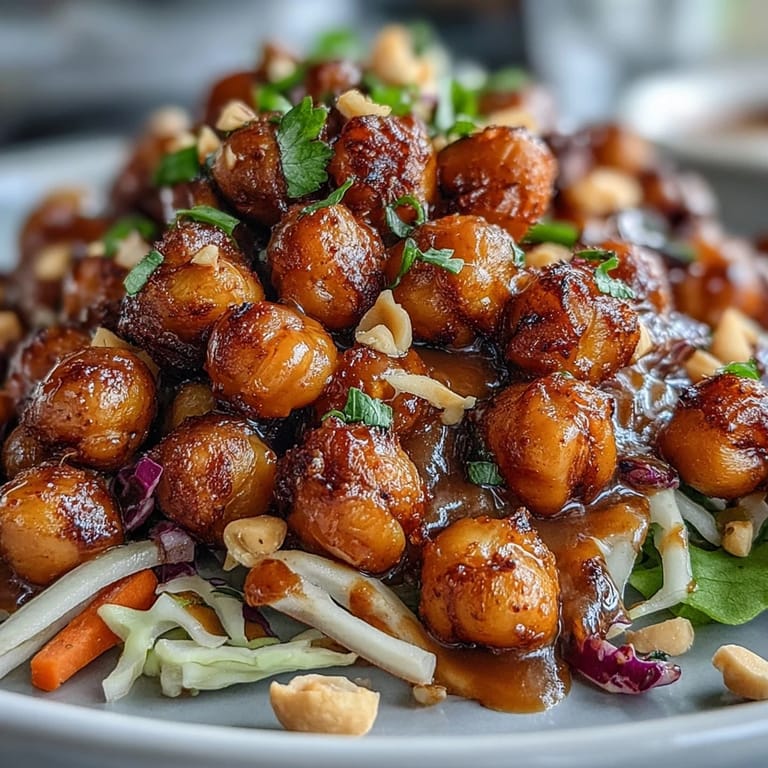
Save My friend Sarah showed up to my apartment one Tuesday with a bag of chickpeas and a challenge: make something that doesn't taste like "rabbit food." That afternoon, we roasted those chickpeas until they crackled, whisked together a peanut sauce that smelled like a Thai street market, and built these bowls that somehow felt both indulgent and genuinely nourishing. Now they're what I reach for when I need to feel grounded but want something that tastes like celebration.
I made this for my mom during her first week of trying vegetarian meals, and she ate two full bowls without asking what was in them. When I finally told her chickpeas were the star, she made this face like I'd pulled off magic, and suddenly she was asking me to write down the peanut sauce recipe. That's when I knew it wasn't just delicious—it was the kind of dish that shifts someone's thinking.
Ingredients
- Chickpeas (2 cans, drained and rinsed): These are your protein powerhouse, and rinsing them removes that starchy liquid that prevents real crispiness when roasted.
- Olive oil (1 tbsp): Just enough to coat and help the chickpeas toast rather than steam—don't skimp here or they'll be mealy.
- Smoked paprika, cumin, garlic powder (1 tsp, 1/2 tsp, 1/2 tsp): This trio creates depth; the smoked paprika is what makes people ask what makes these taste so good.
- Brown rice or quinoa (2 cups cooked): The foundation that soaks up sauce—quinoa gives you extra protein if that matters to you.
- Fresh vegetables (red cabbage, carrots, cucumber, cherry tomatoes): The raw crispness here balances the warm roasted elements and keeps every bite interesting.
- Edamame (1/2 cup): A sweet surprise that adds texture and fills nutritional gaps in the bowl.
- Creamy peanut butter (1/3 cup): Use a good quality one where peanuts are the main ingredient—it makes the sauce silky without needing cream.
- Soy sauce (2 tbsp): The backbone of the sauce's savory depth; tamari works if you're gluten-free and tastes nearly identical.
- Maple syrup (1 tbsp): Balances salt and spice with just enough sweetness to feel complete; honey works too.
- Rice vinegar (1 tbsp): Brightens everything and keeps the sauce from feeling heavy.
- Fresh cilantro and lime: These finish the dish with life—never skip them or you lose half the freshness factor.
Tired of Takeout? 🥡
Get 10 meals you can make faster than delivery arrives. Seriously.
One email. No spam. Unsubscribe anytime.
Instructions
- Preheat and prep your chickpeas:
- Get your oven to 425°F and line a sheet with parchment paper. In a bowl, toss drained chickpeas with olive oil and all the spices—smoked paprika, cumin, garlic powder, salt, and pepper—making sure every one gets coated.
- Roast until golden and crispy:
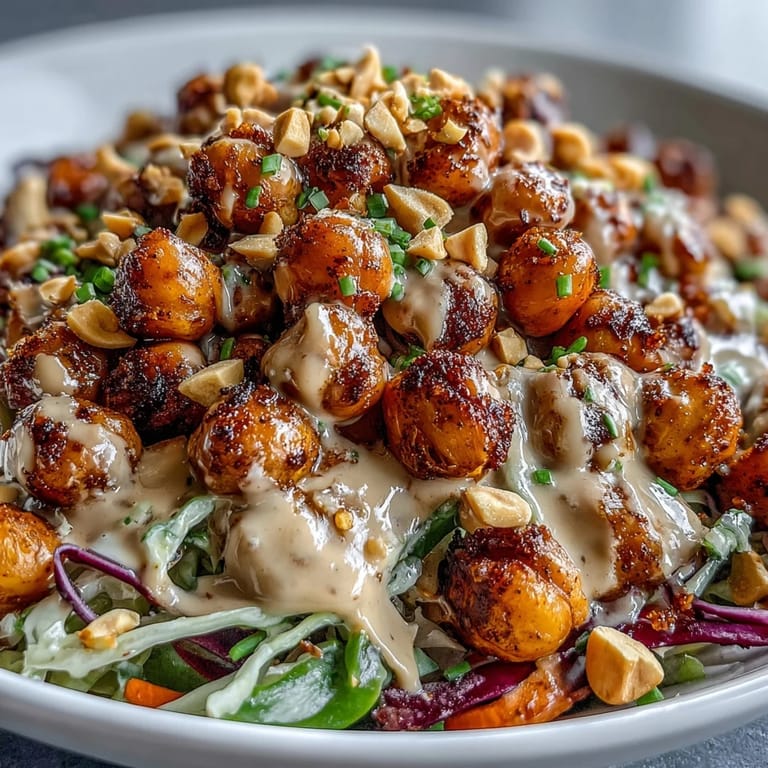
- Spread them evenly on the sheet and roast for 20–25 minutes, shaking the pan halfway through so they toast evenly. You'll know they're done when they're golden brown and sound hollow when you tap them.
- Whisk together the peanut sauce:
- While chickpeas roast, combine peanut butter, soy sauce, maple syrup, rice vinegar, minced garlic, and sriracha if using. Whisk in warm water a tablespoon at a time until you reach a drizzle consistency—thick enough to coat but pourable.
- Prepare your base and vegetables:
- Cook rice or quinoa if needed. Slice and arrange your vegetables on a cutting board—red cabbage, carrots, cucumber, halved tomatoes. This step is calming and takes almost no time.
- Build your bowls:
- Divide grains among four bowls as your canvas. Layer on roasted chickpeas, then arrange vegetables and edamame in sections so everything feels intentional and colorful.
- Finish and serve:
- Drizzle each bowl generously with peanut sauce, sprinkle with chopped peanuts and cilantro, add sesame seeds if you have them, and serve with lime wedges on the side.
 Save
Save My roommate made this bowl at 11 PM after a terrible day, and watching her breathe in the steam from the roasted chickpeas while waiting for the sauce felt like I was seeing someone actually take care of themselves in real time. Food doesn't have to be fancy to feel like medicine sometimes.
Why This Bowl Works as More Than Just Lunch
This isn't a salad in disguise or a side dish pretending to be a meal. The combination of roasted protein, complex carbs, and that sauce means you're genuinely satisfied for hours afterward, not hunting for snacks at 3 PM. Every component earns its place on the plate, and nothing feels like it's there because it's "supposed to be healthy."
Making It Your Own
The beauty of a bowl like this is that it welcomes swaps without falling apart. If you have different vegetables on hand, use them—just keep the contrast between cooked, raw, and crispy. Some days I add a handful of spinach under the grains, other times I switch cilantro for mint depending on my mood. The structure holds.
Small Details That Change Everything
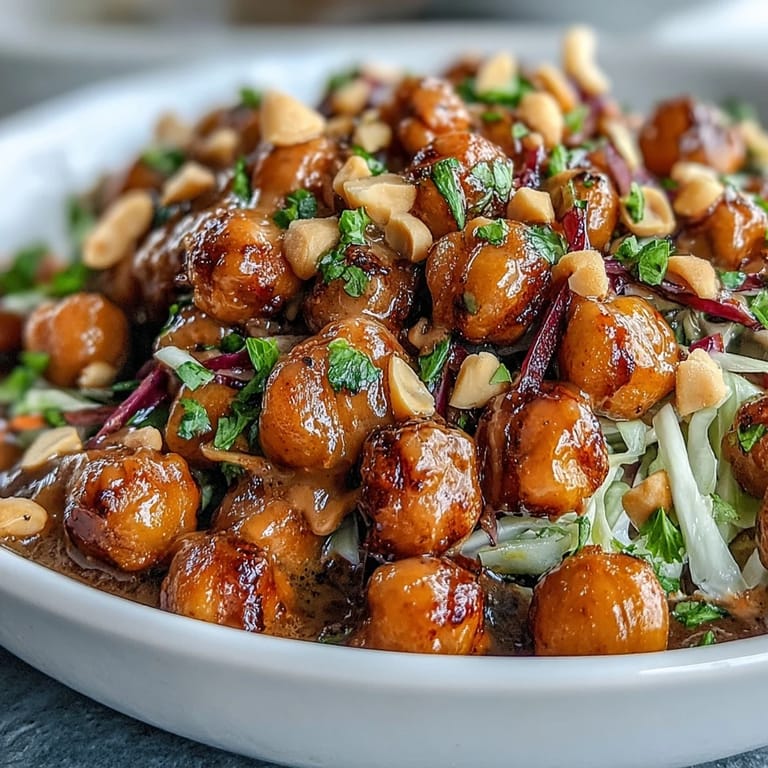
The difference between a forgettable bowl and one you think about days later lives in the little moments: the moment those chickpeas hit the hot pan and smell like something you'd actually crave, the second when lime juice hits warm peanut sauce, the texture contrast between rice and raw vegetables. These aren't complicated techniques, just small choices that add up to something that feels composed.
- Toast your peanuts briefly in a dry pan if you have time—it deepens their flavor and makes them taste less like an afterthought.
- Squeeze fresh lime juice right before eating rather than earlier; it keeps the salad from getting soggy and the brightness stays alive.
- Taste the sauce before assembling and adjust salt, heat, or sweetness to your preferences rather than assuming you'll like it as written.
 Save
Save This bowl has become the meal I make when I want to prove to myself that eating well can be delicious without being complicated. It's straightforward enough for a weeknight, nourishing enough to feel like self-care, and genuinely good enough that you'll actually want to make it again.
Recipe FAQs
- → Can I make this bowl gluten-free?
Yes, simply substitute tamari for the soy sauce in the peanut sauce. All other ingredients are naturally gluten-free.
- → How long do roasted chickpeas stay crispy?
Roasted chickpeas are best enjoyed immediately while crispy. If storing, keep them separate from the sauce and vegetables to maintain texture.
- → Can I prepare components ahead?
Yes, you can chop vegetables, cook grains, and prepare the peanut sauce up to 2 days in advance. Roast chickpeas fresh before serving.
- → What other nut butters work in the sauce?
Almond butter or cashew butter make excellent alternatives if you need to avoid peanuts. Adjust sweetness as needed.
- → How can I add more protein?
Consider adding grilled tofu, tempeh, or a hard-boiled egg. You could also increase the edamame portion or add hemp seeds.
- → Is this bowl spicy?
The sriracha is optional, so you can control the heat level. Omit it for a mild version or increase for more spice.