 Save
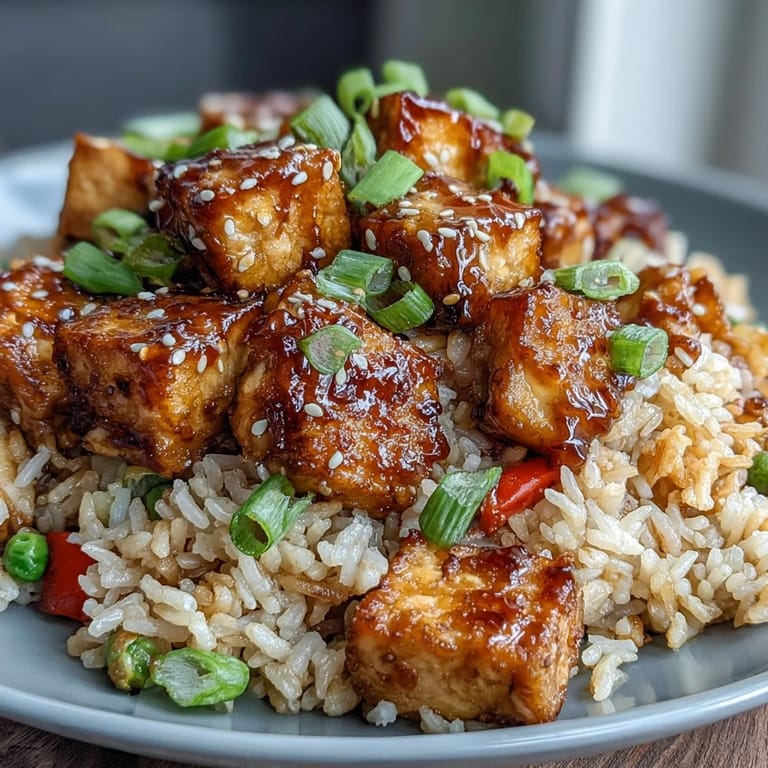
Save I discovered this recipe on a Tuesday night when my fridge was nearly empty except for a container of leftover rice and a block of tofu staring back at me accusingly. Something about the way the golden cubes crisped up in the pan that first time felt like a small victory, and when I drizzled that sesame-ginger sauce over everything, my kitchen suddenly smelled like a restaurant I couldn't afford to visit. Now it's become my go-to when I want something that feels restaurant-quality but costs barely anything, and honestly, it's become a little addictive.
I made this for my roommate who claimed she didn't like tofu, and watched her eat two bowls without comment. The look of surprise on her face when I told her it was tofu was worth more than any compliment—she just kept saying the sesame sauce had to be the secret, which it kind of is. That's when I realized this dish had something special: it doesn't feel like health food, it feels like comfort.
Ingredients
- Firm tofu (400g or 14 oz), drained and pressed: Pressing is non-negotiable here—it removes moisture that would otherwise steam the tofu instead of letting it crisp up beautifully.
- Cornstarch (2 tbsp) and salt (1/2 tsp): This coating is what creates that shattering golden crust; don't skip it or reduce it.
- Vegetable oil (2 tbsp for tofu): Use neutral oil with a high smoke point like canola or grapeseed oil.
- Frozen peas and carrots mix (1 cup, thawed) and red bell pepper (1 small, diced): These add sweetness and texture; thawing the frozen mix first prevents watering down the pan.
- Green onions (3, sliced with white and green parts separated): The white parts go in early for aromatic depth, while green tops scatter over the top for fresh brightness.
- Garlic (2 cloves, minced) and fresh ginger (1 tbsp, grated): These two together are the backbone of the flavor—don't use jarred ginger here, the fresh stuff makes an actual difference.
- Cold cooked rice (4 cups, preferably day-old jasmine or long grain): Cold rice is crucial because it won't clump and will actually get slightly crispy at the edges instead of turning mushy.
- Soy sauce (3 tbsp, or tamari for gluten-free): This is your savory anchor; tamari works beautifully if you need it gluten-free.
- Toasted sesame oil (1 tbsp): This is concentrated flavor—a little goes a long way, so don't substitute regular sesame oil.
- Rice vinegar (1 tbsp): A splash of brightness that keeps the whole dish from feeling heavy.
- Honey or maple syrup (1 tbsp): Just enough sweetness to balance the salty soy sauce; use maple syrup if you're keeping it vegan.
- Sriracha or chili paste (1 tsp, optional): This is where you control the heat level—add more if you like it spicy, skip it entirely if you don't.
- Sesame seeds (2 tbsp total, toasted): Toast them yourself in a dry pan for about a minute if you have time; they taste infinitely better than store-bought roasted.
Tired of Takeout? 🥡
Get 10 meals you can make faster than delivery arrives. Seriously.
One email. No spam. Unsubscribe anytime.
Instructions
- Press and cut the tofu:
- Wrap your drained tofu block in a clean kitchen towel and press it under something heavy (like a cast-iron skillet or stack of books) for about 15 minutes. Cut the pressed block into roughly 1.5 cm cubes and pat them dry with fresh paper towels—any moisture clinging to the surface will prevent crisping.
- Coat the tofu:
- Toss the tofu cubes with cornstarch and salt in a small bowl until every piece is evenly dusted. This coating is what gives you that golden, crispy exterior.
- Crisp the tofu until golden:
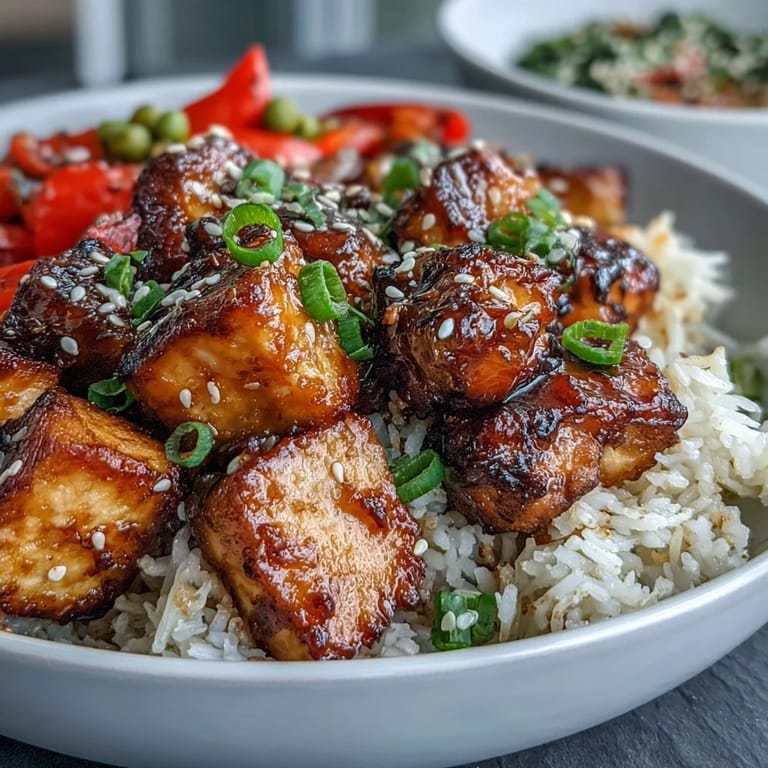
- Heat oil in your skillet or wok over medium-high heat until it shimmers. Lay the tofu cubes in a single layer and let them sit undisturbed for 2-3 minutes—resist the urge to stir constantly or you'll break them apart. Flip each piece and cook another 2-3 minutes until all sides are golden and crispy, then transfer to a plate.
- Build the aromatic base:
- Add a splash more oil to the same pan if it looks dry. Sauté the white parts of the green onions, garlic, and ginger for about 1 minute until the kitchen smells impossibly good—you'll know it's ready when the ginger becomes fragrant.
- Cook the vegetables:
- Toss in the diced bell pepper and thawed pea-carrot mix. Stir constantly for 2-3 minutes until the peppers start to soften but still have a slight bite to them.
- Toast the rice until crispy:
- Add the cold rice to the pan, breaking up any clumps as you go. Stir-fry for 3-4 minutes, letting some grains make contact with the hot pan so they start to crisp and toast slightly—this is where the textural magic happens.
- Make the sauce and bring it together:
- Whisk together soy sauce, toasted sesame oil, rice vinegar, honey, sriracha if using, and 1 tsp sesame seeds in a small bowl. Pour this over the rice and toss constantly for about a minute until everything is glossy and evenly coated.
- Return the tofu and finish:
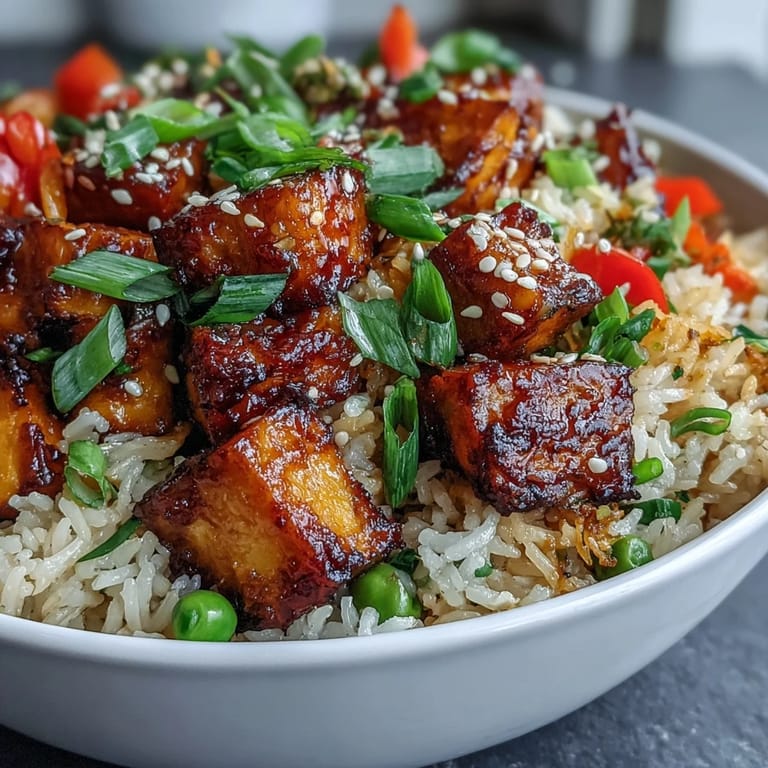
- Gently fold the crispy tofu cubes back into the rice, being careful not to break them apart. Remove from heat and top with toasted sesame seeds and the reserved green onion tops.
 Save
Save There was this moment cooking this for the third time when I realized I wasn't following a recipe anymore—I was just moving through the steps because they'd become muscle memory, and somehow that made the whole thing taste better. That's when I knew it had stopped being just a weeknight meal and turned into something I actually looked forward to making.
The Secret of Crispy Tofu
Crispiness is 80% about moisture and 20% about technique. The pressing is what removes the water, but the cornstarch coating is what creates the actual crust—it's the same trick used in Chinese restaurants, and once you understand why it works (starch + heat = golden exterior), you'll start applying it to everything. The pan needs to be hot enough to sear the tofu without burning it, which is why medium-high heat matters, and you can't touch it while it's cooking.
When Cold Rice Becomes Your Best Friend
I used to think leftover rice was just something to use up, but it's actually the preferred ingredient for fried rice. Room-temperature or cold rice doesn't release moisture into the pan the way fresh rice does, which means instead of creating steam and ending up with a mushy texture, you get individual grains that actually crisp up at the edges. This is why people make rice specifically for fried rice dishes, and if you don't have leftovers, making rice in advance is worth the planning.
Building Flavor in Layers
The magic isn't in any single ingredient—it's in the order they hit the pan. Garlic and ginger go in first because they need heat to release their oils and fragrance, then the vegetables for texture, then the rice to absorb all that flavor, and finally the sauce at the end so it coats everything without burning. This is how restaurants make fried rice taste so much better than the sum of its parts, and honestly, learning to build flavor this way changed how I approached cooking entirely.
- Taste as you go and adjust the sauce ratio based on how much rice you end up using—sometimes it needs a splash more soy sauce, sometimes less.
- If you want extra crispy rice, spread it out on a baking sheet after cooking and put it under the broiler for 30 seconds, but watch it like a hawk.
- The sriracha is optional, but a tiny bit of heat actually makes the sesame flavor sing brighter, so consider at least trying it.
 Save
Save This dish quietly became one of those recipes that reminds me why I love cooking—it's economical, it's fast, and somehow it tastes like you knew what you were doing all along. Make it once and it'll become part of your regular rotation.
Recipe FAQs
- → Why use day-old rice instead of freshly cooked?
Day-old rice has dried out slightly, which prevents clumping and allows individual grains to crisp up beautifully during stir-frying. Freshly cooked rice contains too much moisture and will become mushy rather than achieving that signature texture with distinct, separate grains.
- → How do I get the tofu truly crispy?
Press your tofu for at least 15 minutes to remove excess moisture, then coat thoroughly in cornstarch before frying. Cook in a single layer without overcrowding the pan, and let each side develop a golden crust before turning. For extra crunch, you can double-fry or finish in an air fryer at 375°F for 5 minutes.
- → Can I make this gluten-free?
Absolutely. Simply substitute tamari for the soy sauce and verify that all other ingredients, including your cornstarch and any sauces, are certified gluten-free. The flavors and texture remain identical while accommodating dietary restrictions.
- → What other vegetables work well in this stir-fry?
Beyond the peas, carrots, and bell peppers, try adding broccoli florets, snap peas, shredded cabbage, baby corn, water chestnuts for crunch, or baby spinach. Adjust cooking times accordingly—denser vegetables need a minute or two more, while leafy greens should be added at the very end.
- → How do I store and reheat leftovers?
Store cooled leftovers in an airtight container in the refrigerator for up to 4 days. Reheat in a skillet over medium-high heat with a splash of water or oil, stirring until heated through and rice crisps up again. The microwave works but won't restore the crispy texture.
- → Can I use a different protein instead of tofu?
Yes! This base works beautifully with diced chicken breast, shrimp, pork, or even edamame. Adjust cooking times based on your protein choice—meats may need 3-4 minutes per side, while shrimp cooks in just 2-3 minutes until pink and opaque.