 Save
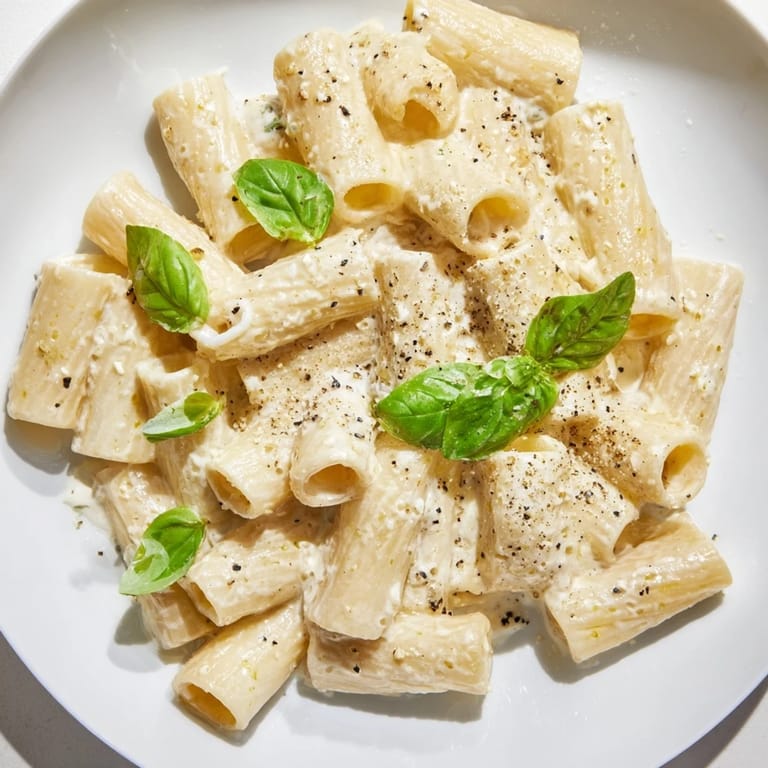
Save I discovered this recipe scrolling past a TikTok at midnight, half-asleep, when someone showed how cottage cheese could transform into actual silky pasta sauce. My first instinct was skepticism—cottage cheese in a blender sounded like a shortcut that would backfire spectacularly. But curiosity won, and twenty minutes later I was twirling creamy, protein-packed pasta on a fork, genuinely shocked at how elegant something so simple could taste. It's become my go-to when I want something nourishing without the fuss.
I made this for my friend who'd just started meal prepping, and watching her face when she realized the creamy sauce was mostly cottage cheese was priceless. She came back the next week asking for the recipe, which told me everything—this isn't health food pretending to taste good, it's genuinely delicious food that happens to be good for you.
Ingredients
- Pasta: Use 180g of whatever shape you prefer—penne catches sauce in all its little ridges, but honestly, any dried pasta works beautifully here.
- Cottage cheese: Full-fat tastes richer, but low-fat works perfectly fine and cuts calories if that matters to you.
- Parmesan cheese: Freshly grated makes a real difference in the final creaminess of the sauce.
- Milk: This loosens the cottage cheese into sauce form; use whatever you have on hand.
- Garlic: Just one small clove minced fine, since the cottage cheese mutes strong flavors.
- Extra virgin olive oil: Adds richness and helps emulsify the sauce into something truly silky.
- Black pepper and salt: Season to taste, but start conservative since Parmesan is already salty.
- Italian herbs: Optional, but they add a whisper of something familiar if you want it.
Tired of Takeout? 🥡
Get 10 meals you can make faster than delivery arrives. Seriously.
One email. No spam. Unsubscribe anytime.
Instructions
- Cook the pasta with intention:
- Boil salted water and cook your pasta until it's tender but still has a tiny bit of bite. This matters because overcooked pasta will turn mushy once it hits the sauce. Save about half a cup of that starchy cooking water before you drain—it's liquid gold for adjusting your sauce later.
- Blend the sauce until it disappears:
- Add cottage cheese, Parmesan, milk, minced garlic, olive oil, pepper, salt, and herbs to a blender and let it run until absolutely smooth. This is the secret—any graininess will persist, so blend longer than you think you need to.
- Warm gently without scrambling:
- Pour the sauce into a skillet on low heat and stir it softly until it's just warm. High heat will make the cheese separate and look broken, so patience here pays off.
- Marry pasta and sauce with pasta water:
- Toss the drained pasta into the warm sauce and use that reserved cooking water to loosen everything into a silky, clinging coat. The starch in the pasta water is what makes the sauce actually stick to each piece.
- Finish and serve immediately:
- Divide between bowls while everything is still warm, then scatter torn basil, extra Parmesan, and red pepper flakes across the top if you want a little heat and color.
 Save
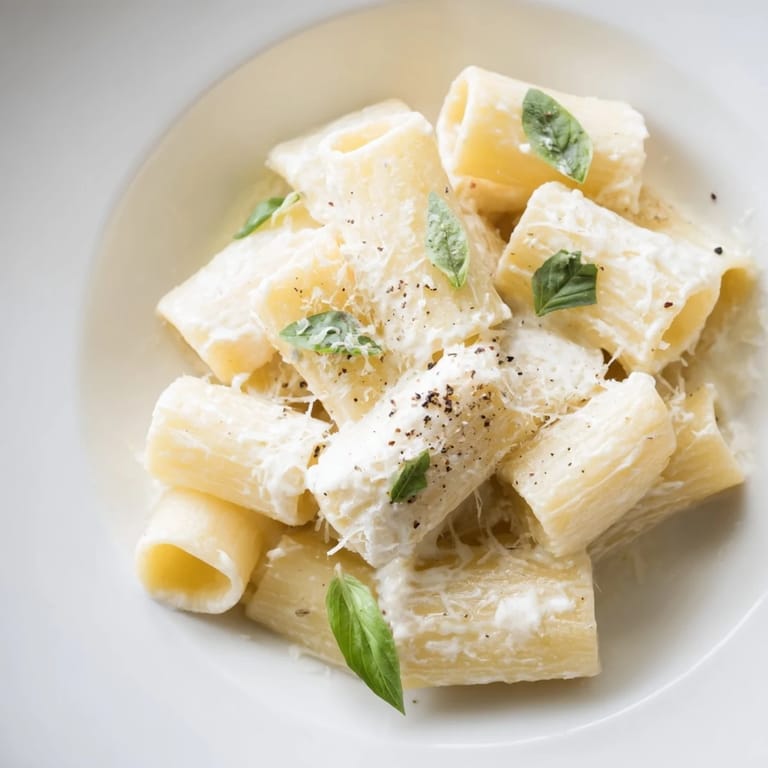
Save There's something magical about watching someone expect a bowl of cottage cheese pasta to disappoint and then watch their fork slow down mid-twirl as they realize how creamy and satisfying it actually is. That moment when a viral trend turns out to be genuinely good is rare and worth savoring.
Customizing Without Losing the Magic
The beauty of this sauce is how it takes to additions without falling apart. Stir in cooked shredded chicken and suddenly it's a protein powerhouse for meal prep. Sautéed mushrooms add an earthy depth that keeps the dish feeling special. I've even added a handful of fresh spinach at the end, wilted right into the warm pasta, and it disappears into the sauce like it was always meant to be there. The cottage cheese base is forgiving enough to handle whatever vegetables or proteins you want to throw at it.
When You Don't Have Cottage Cheese
Ricotta works beautifully if that's what's in your fridge, though the flavor becomes milder and softer. Some people swear by swapping in Greek yogurt for extra tang, but it needs a tiny bit of cornstarch to stay stable during warming. The point is, this is more of a method than a strict formula—the genius is in blending soft cheese with a little fat and liquid into sauce form.
Pasta Choices and Pairings
Whole wheat pasta brings a nuttiness that plays well with the richness of the sauce, and high-protein pasta makes the whole dish feel even more substantial. Serve this alongside something bright and acidic to cut through the creaminess—a simple green salad tossed in lemon vinaigrette does it perfectly, or just a glass of crisp white wine alongside. The dish is light enough to feel fresh, but filling enough that you won't be raiding the fridge two hours later.
- Make extra sauce if you're cooking for meal prep; it keeps well in the fridge and reheats gently on low heat with a splash of milk.
- Cold leftover pasta is actually excellent the next day, though it tastes more substantial when warmed through again.
- This dish doubles easily if friends appear unexpectedly—just multiply everything and make sure your blender doesn't overflow.
 Save
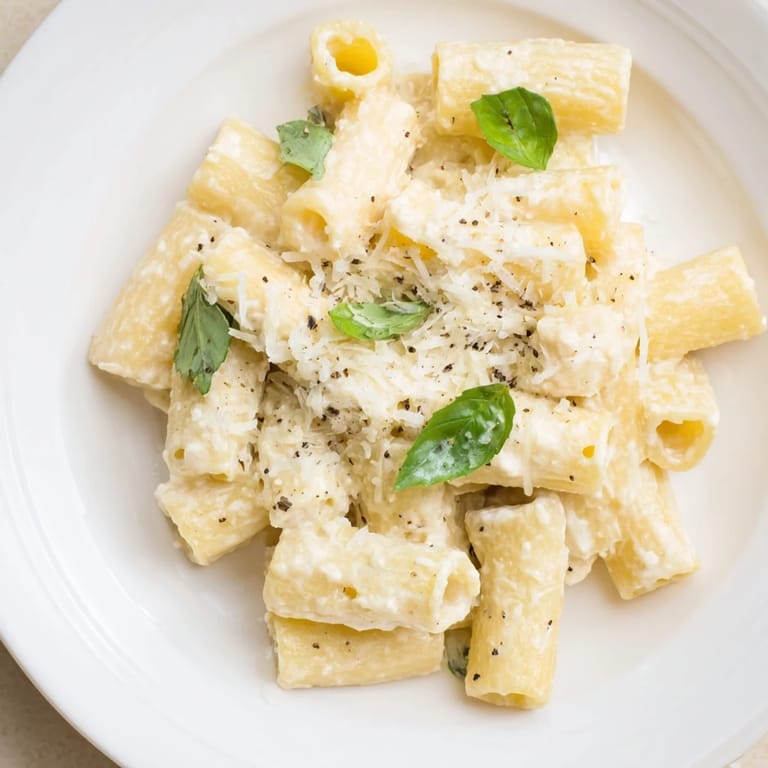
Save This pasta reminds me why sometimes the simplest ideas, the ones that seem almost ridiculous at first glance, turn out to be the ones worth making again and again. It's comforting without being heavy, quick without being careless, and it proves that good food doesn't need complicated explanations.
Recipe FAQs
- → What type of pasta works best with this dish?
Penne, rigatoni, or spaghetti are ideal as they hold the creamy sauce well, but you can use your preferred dried pasta.
- → Can I adjust the sauce consistency?
Yes, add reserved pasta water or milk gradually while warming the sauce to reach your desired creaminess and texture.
- → Is cottage cheese the only option for the sauce base?
Cottage cheese provides a silky texture, but ricotta can be used for a milder, creamier flavor variation.
- → How can I add more protein to this dish?
Stir in cooked chicken or sautéed mushrooms to boost protein content while maintaining the creamy texture.
- → What herbs complement this pasta best?
Fresh basil is recommended for its bright aroma; dried Italian herbs in the sauce provide a subtle savory depth.
- → Are there allergen considerations to keep in mind?
This dish contains dairy and gluten from pasta; gluten-free pasta alternatives can be used to accommodate dietary needs.