 Save
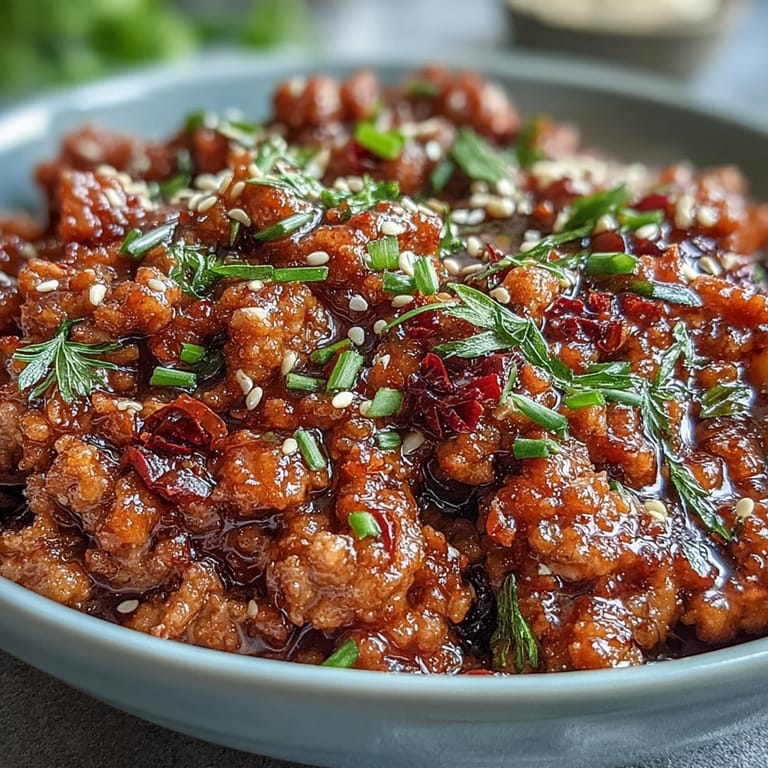
Save My toddler knocked over the ginger grater mid-prep, and I ended up using way more than the recipe called for. That happy accident turned into our household standard. The sharp bite of fresh ginger against the nutty sesame oil created something I never wanted to tone down. Now I always grate a little extra, letting the edges fall where they may. Sometimes the best versions of a dish come from small kitchen chaos.
I made this on a Tuesday when my fridge was nearly empty and my energy was even lower. The smell of garlic hitting hot sesame oil snapped me out of my fog. My neighbor wandered over halfway through cooking, drawn by the scent through the open window. We ended up eating straight from the skillet with chopsticks, laughing about how something so simple could feel like a small celebration.
Ingredients
- Soy sauce: The backbone of the sauce, bringing deep umami and saltiness; low sodium gives you more control over the final flavor.
- Cornstarch: This is what transforms thin liquid into that glossy, clingy coating; always dissolve it completely or you will get lumps.
- Brown sugar: Just enough sweetness to balance the salty and spicy without making it dessert; pack it into the spoon for accurate measuring.
- Red chili flakes: Start conservative if you are heat-sensitive, you can always add more but you cannot take it back.
- Sesame oil: Toasted sesame oil is non-negotiable here; the regular kind will not give you that rich, nutty aroma.
- Garlic: Fresh cloves minced fine release their sharpness quickly in hot oil; jarred garlic will not have the same punch.
- Fresh ginger: Grate it on the small holes of a box grater or use a spoon to scrape the skin off before grating; the fibrous bits can be unpleasant.
- Ground turkey: Lean protein that soaks up the sauce beautifully; let it sit out for ten minutes before cooking so it does not cool down your pan.
- Chives: Their mild onion flavor and bright green color add freshness without overpowering; green onions work just as well if that is what you have.
- Sesame seeds: Toasting them in a dry pan for two minutes wakes up their flavor and adds a gentle crunch.
Tired of Takeout? 🥡
Get 10 meals you can make faster than delivery arrives. Seriously.
One email. No spam. Unsubscribe anytime.
Instructions
- Mix the sauce:
- Whisk the soy sauce, cornstarch, brown sugar, and chili flakes in a small bowl until no white streaks remain. The cornstarch needs to dissolve completely or it will clump when it hits the heat.
- Bloom the aromatics:
- Heat your skillet over medium-high and add the sesame oil, then toss in the garlic and ginger, stirring constantly for about thirty seconds until the kitchen smells incredible. Do not let them brown or they will turn bitter.
- Cook the turkey:
- Add the ground turkey and break it into small crumbles with your spatula, letting it cook undisturbed for a minute or two before stirring so you get some browned bits. Keep going until no pink remains, about five to seven minutes total.
- Glaze and thicken:
- Pour in your sauce and stir everything together, then crank the heat to high and let it bubble for two to three minutes until it gets shiny and thick. If it tightens up too much, splash in a tablespoon of water and stir.
- Finish and serve:
- Stir in most of the chives, saving a pinch for the top, then pull the pan off the heat. Scatter sesame seeds and the reserved chives over everything before serving hot over rice.
 Save
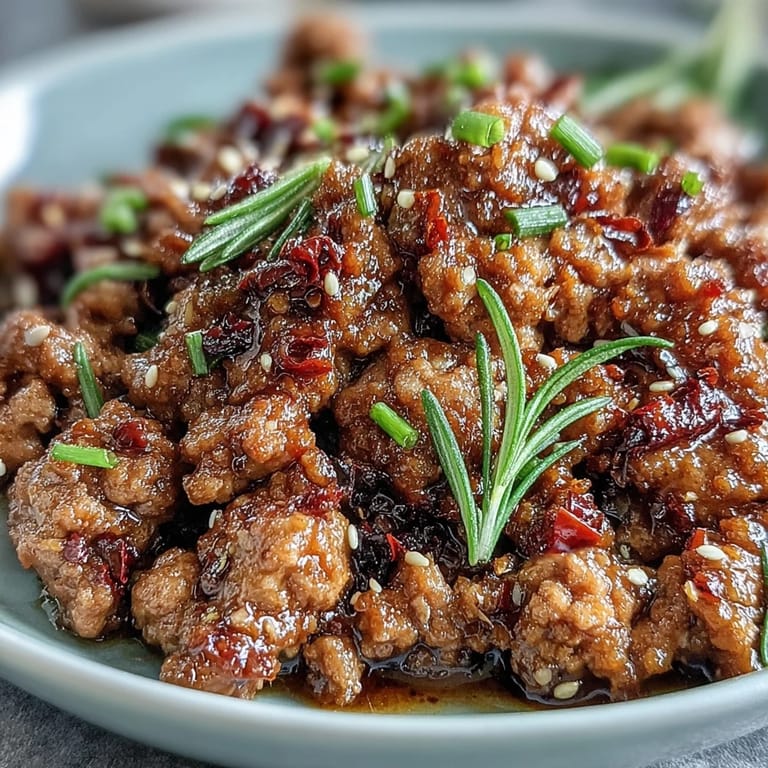
Save My friend who claimed she did not like turkey changed her mind after one bite of this. She stood at my counter, bowl in hand, asking what I did to make it taste so rich. I told her it was just heat, timing, and not being afraid of garlic. She made it three times that month and sent me photos each time. Food has a way of turning skeptics into believers when the flavors are right.
Making It Your Own
If you want more heat, stir in a spoonful of gochujang with the sauce or add extra chili flakes at the end. Ground chicken or pork work beautifully if turkey is not your thing. I have also tossed in snap peas or shredded carrots during the last two minutes of cooking for extra vegetables without extra effort. A drizzle of sesame oil right before serving adds another layer of richness that makes it feel special.
Serving Suggestions
I almost always serve this over short-grain white rice because it soaks up the sauce like a sponge. Steamed broccoli or sautéed spinach on the side keeps things balanced and bright. Sometimes I make a quick cucumber salad with rice vinegar and a pinch of sugar to cut through the richness. Leftovers go into lettuce wraps the next day, topped with pickled radish and a squeeze of lime.
Storage and Reheating
This keeps in the fridge for up to four days in an airtight container, and honestly, the flavors get better as they sit. Reheat gently in a skillet with a splash of water to loosen the sauce, or microwave in thirty-second bursts, stirring in between. I do not recommend freezing it because the texture of the turkey changes and the sauce can separate when thawed.
- Store the rice separately so it does not get soggy.
- Add a sprinkle of fresh chives and sesame seeds after reheating to bring back the brightness.
- If the sauce has thickened too much in the fridge, a teaspoon of water will bring it back to life.
 Save
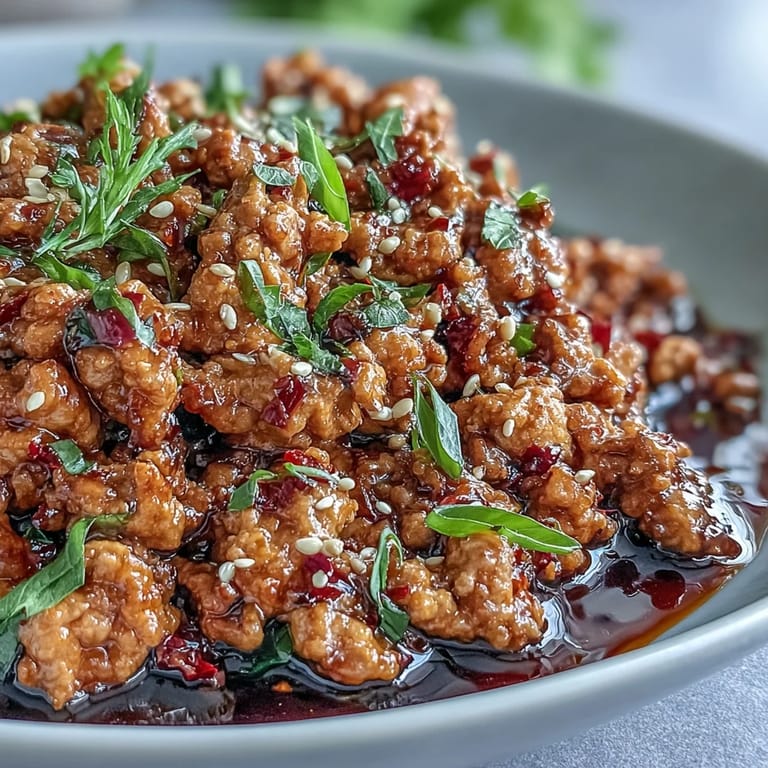
Save This dish has rescued more weeknights than I can count, turning pantry staples into something that feels intentional and alive. I hope it does the same for you.
Recipe FAQs
- → Can I make this dish spicier?
Yes, increase the red chili flakes or add a spoonful of Korean gochujang to the sauce for extra heat and depth of flavor.
- → What can I substitute for ground turkey?
Ground chicken or ground pork work well as substitutes, maintaining similar cooking times and flavor profiles.
- → How do I make this gluten-free?
Use certified gluten-free soy sauce or tamari instead of regular soy sauce to ensure the dish is completely gluten-free.
- → What vegetables pair best with this dish?
Steamed or sautéed broccoli, spinach, carrots, bok choy, or snap peas complement the Korean flavors perfectly.
- → Can I prepare this ahead of time?
Yes, cook the turkey mixture and store it in an airtight container in the refrigerator for up to 3 days. Reheat gently before serving.
- → Why does my sauce get too thick?
Cornstarch thickens quickly with heat. Add a tablespoon of water at a time while stirring to reach your desired consistency.