 Save
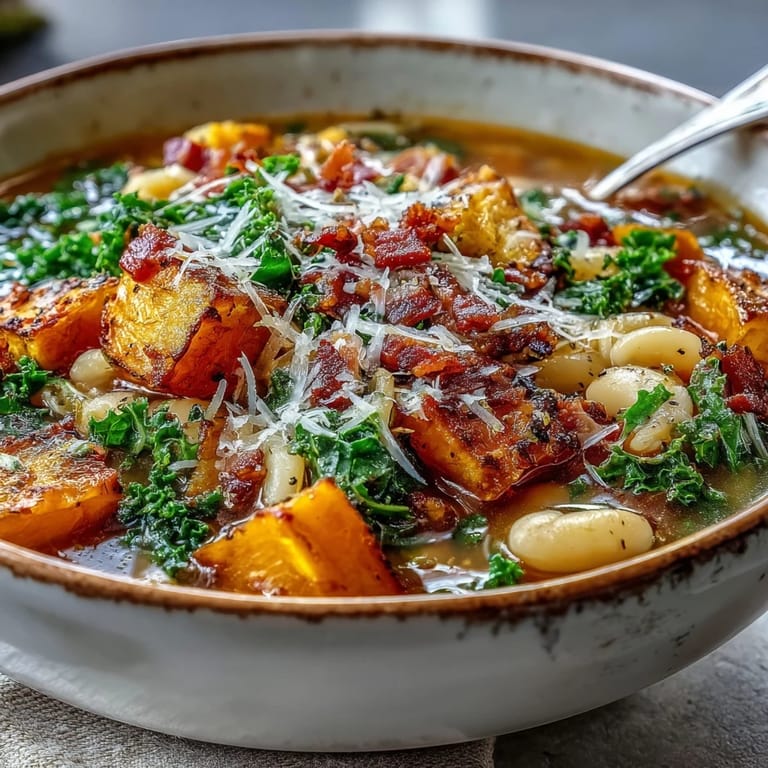
Save October mornings in my kitchen always smell like toasted garlic and caramelized pancetta fat, and that's when I know it's minestrone season. My neighbor Maria had a butternut squash she couldn't use before the first frost, so I grabbed it with a vague plan that turned into this soup—creamy white beans, tender pasta, and kale that wilts into something almost silky. The first bowl disappeared so fast I barely got to taste it myself, and somehow that became the whole point of making it again and again.
I made this for a book club meeting on a chilly Thursday and watched five adults go completely silent while eating it, just spoon after spoon. Someone asked for the recipe before dessert even came out, and another friend started texting me photos of her own version with different pasta shapes. That's when I realized this soup works because it actually tastes like autumn in a bowl, not because it's complicated or trendy.
Ingredients
- Pancetta, diced: This isn't just a garnish—rendering it creates a silky fat base that makes every vegetable taste better, so don't skip it or substitute bacon unless you want a smokier, less delicate flavor.
- Yellow onion, carrots, and celery: This aromatic trio is your foundation; dice them roughly the same size so they cook evenly and create that comforting, almost nostalgic flavor base.
- Butternut squash, peeled and cubed: The signature ingredient here—it sweetens the broth and gets tender enough to almost melt, so don't rush the peeling step or use those pre-cut chunks that dry out.
- Garlic cloves, minced: Add this after the other vegetables soften so it doesn't burn and turn bitter, which completely changes the soup's personality.
- Kale, stems removed and chopped: The hearty green that holds up to simmering without turning to mush; fresh thyme and bay leaf work here because they won't overpower the subtle sweetness of the squash.
- Diced tomatoes with juice: Use canned tomatoes in autumn and winter when fresh ones taste like sadness; the acidity balances the sweetness and adds unexpected depth.
- White beans, drained and rinsed: Cannellini or Great Northern beans add protein and creaminess without needing any cream, which keeps this soup feeling light despite tasting indulgent.
- Ditalini or small pasta: These tiny tubes catch broth in each piece; cook it separately for 2 minutes less than the package suggests so it doesn't turn to mush in the hot soup.
- Chicken or vegetable broth: Use homemade if you have it, but good quality store-bought matters more than homemade mediocre broth, and taste it first because some brands are salty enough to change everything.
Tired of Takeout? 🥡
Get 10 meals you can make faster than delivery arrives. Seriously.
One email. No spam. Unsubscribe anytime.
Instructions
- Render the pancetta:
- Heat olive oil in your Dutch oven over medium heat, then add diced pancetta and let it sizzle until the edges turn golden and crispy, about 5 minutes—the smell will tell you when it's ready, and you'll know the fat is properly infused into the oil. Remove it with a slotted spoon but leave all that rendered fat behind because that's your flavor foundation.
- Build your aromatic base:
- Add the onion, carrots, and celery to that pancetta fat and let them soften for about 5 minutes, stirring occasionally so they toast slightly and release their sweetness. You're not looking for color here, just for them to become tender and fragrant.
- Add the squash and garlic:
- Stir in the butternut squash cubes and minced garlic, cooking for just 2 minutes so the garlic wakes up without burning. The kitchen will smell almost too good at this point, and it's a good moment to taste a tiny piece of squash to make sure it's properly peeled with no tough skin.
- Build the broth base:
- Pour in the canned tomatoes with all their juice, the white beans, broth, thyme, and bay leaf, then season with salt and pepper and bring everything to a gentle simmer. The bubbles should come up lazily, not aggressively boiling, or the vegetables will break apart.
- Simmer the squash tender:
- Cover the pot and let it cook for about 20 minutes, until you can easily press a squash cube against the side of the pot with your spoon. Peek at it around the 15-minute mark because butternut squash ripeness varies, and you want it soft but not dissolving.
- Add kale and pasta:
- Remove the lid, stir in the kale and ditalini, then simmer uncovered for 8-10 minutes until the pasta is tender but still has a bit of bite and the kale has darkened and softened. Taste the pasta a minute before you think it's done, because pasta keeps cooking slightly even after you stop the heat.
- Final seasoning and serve:
- Fish out the bay leaf, taste a spoonful, and adjust the salt and pepper until it tastes like autumn itself. Ladle into bowls and top with that reserved pancetta, fresh parsley if you have it, and a generous handful of Parmesan cheese.
 Save
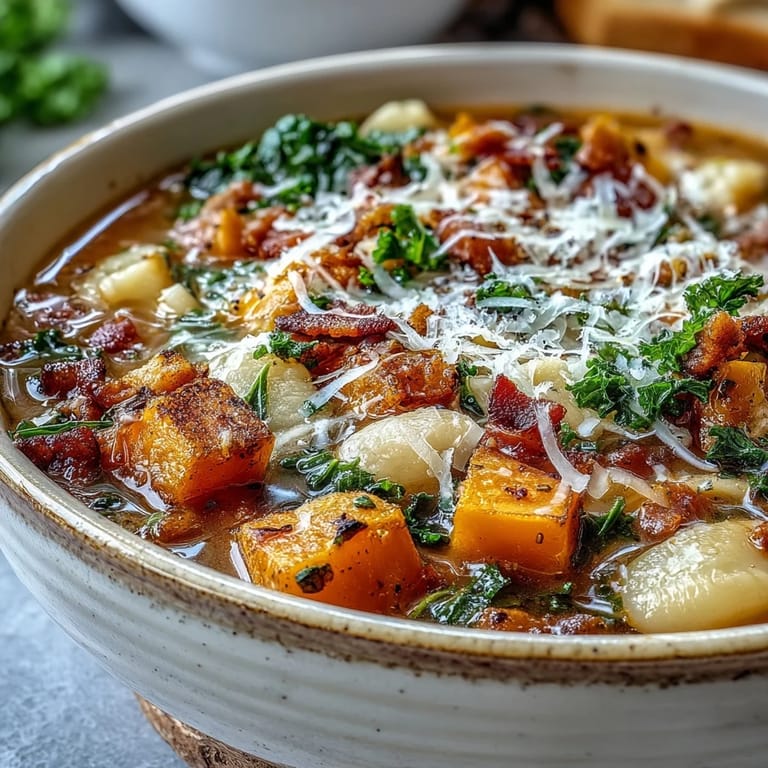
Save My partner came home on a random Tuesday evening when I was testing this recipe again, and instead of asking about his day I just handed him a bowl. He sat at the kitchen counter not saying anything for a while, just eating slowly, and then he told me this was the kind of soup that makes you understand why people write poems about food. I realized then that sometimes a recipe's real magic is knowing exactly when to serve it.
Why Autumn is Minestrone Season
There's something about the temperature dropping that makes you want soup in your life, and butternut squash becomes irresistible right around the same time the leaves start turning. This soup captures that feeling of transition—the warmth of summer's tomatoes mixing with autumn's squash and hearty greens. When you're standing at the farmer's market unsure what to do with those vegetables, this recipe is your answer.
Making It Your Own
The beauty of minestrone is that it's flexible enough to change with what you have on hand, so don't feel locked into the exact ingredients listed. I've made it with zucchini instead of squash in late summer, swapped the ditalini for broken spaghetti, and once used purple kale because that's what was at the market. The structure stays the same—the aromatics, the beans, the pasta—but the details can bend to your season and your pantry.
Vegetarian and Dietary Variations
If pancetta isn't your thing, you can absolutely leave it out and use vegetable broth instead, but I'd honestly recommend adding a pinch of smoked paprika to capture that savory depth you'd otherwise lose. For a gluten-free version, swap out the ditalini for gluten-free pasta and adjust the cooking time, or skip the pasta entirely and add another can of beans for that hearty, filling quality. The magic of this soup is that it adapts without losing its soul.
- Vegetarian pancetta exists and is surprisingly good, or crisp up some mushrooms in olive oil for that umami richness.
- Swap the chicken broth for vegetable or mushroom broth and you won't miss a thing.
- Add extra garlic or a parmesan rind while simmering if you want more depth without the pork.
 Save
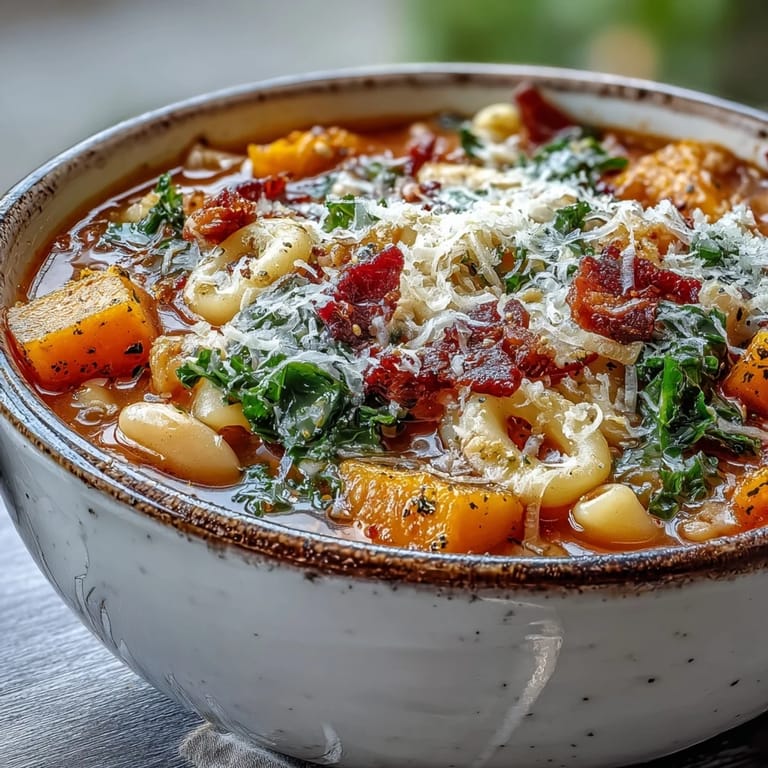
Save This minestrone has become my go-to soup for almost everything—when friends are sick, when I need comfort, when the weather turns and I want to feel like I'm doing something nourishing. It's the kind of recipe that gets better the more you make it because you stop following the instructions so carefully and start cooking it like you already know it in your bones.
Recipe FAQs
- → Can I make this minestrone vegetarian?
Yes, simply omit the pancetta and use vegetable broth instead of chicken broth. Add a pinch of smoked paprika to maintain some depth and smoky flavor that the pancetta would provide.
- → What pasta works best in this soup?
Ditalini is traditional due to its small tube shape, but any small pasta like macaroni, small shells, or orzo works well. Adjust cooking time based on package instructions to achieve al dente texture.
- → How long does this soup keep in the refrigerator?
This minestrone stores beautifully for 4-5 days in an airtight container. The pasta may absorb more broth over time, so you might need to add a splash of broth or water when reheating.
- → Can I freeze this fall minestrone?
Yes, freeze for up to 3 months. For best results, slightly undercook the pasta before freezing as it will continue cooking when reheated. Thaw overnight in the refrigerator before warming.
- → What can I substitute for butternut squash?
Other winter squash like acorn, delicata, or kabocha work well. Sweet potatoes or pumpkin also provide similar sweetness and texture. Adjust cooking time as needed until tender.
- → Do I need to remove the kale stems?
Yes, kale stems can be tough and fibrous. Strip the leaves from the woody stems before chopping. The stems can be saved for vegetable broth if desired.