 Save
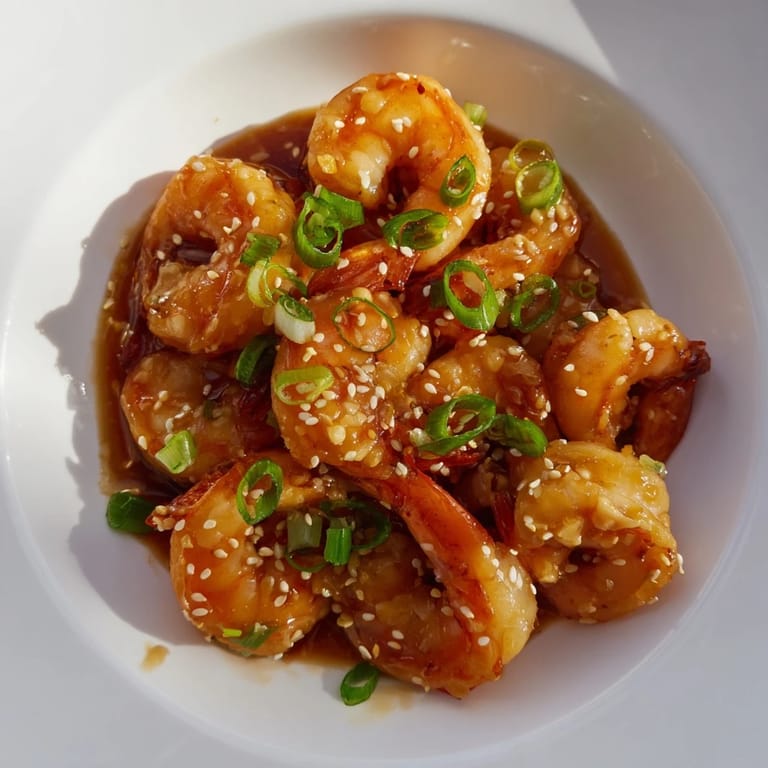
Save One Tuesday night, I was standing at the stove with about fifteen minutes to pull dinner together, and a pound of shrimp that needed rescuing. I'd bought them on impulse, unsure what to do with them, but then I remembered how my neighbor had casually mentioned her weeknight secret: shrimp that cooks faster than rice boils. I raided my pantry for honey and garlic, whisked them together with soy sauce, and watched the transformation happen in real time. The kitchen filled with this sweet, savory steam, and suddenly I understood why she'd looked so smug about her easy dinners.
I made this for my sister on a random Wednesday, the kind of night where nobody had planned dinner and we were all getting hangry. She watched the shrimp pink up in the pan, skeptical at first, then went quiet when I poured the glossy sauce over top. By the end of the meal, she was asking for the recipe and already thinking about how she'd make it for her own rushed weeknight. That's when I realized this dish had a quiet kind of magic—it doesn't need impressing you, it just does.
Ingredients
- Large shrimp (1 lb, peeled and deveined): Buy them already prepped if you can; it saves time and the tails-on-or-off choice is pure preference, though tails make for prettier plating.
- Honey (1/3 cup): The sweetness keeps the sauce balanced and creates that glossy coating that makes everything shine, so don't swap it for sugar.
- Low-sodium soy sauce (1/4 cup): The salt control matters here since the sauce reduces; taste as you go if you're using regular soy sauce instead.
- Garlic (4 cloves, minced): Freshly minced garlic gives you that bite, but if you're in a bind, one teaspoon of jarred works when you're truly desperate.
- Fresh ginger (1 tbsp, grated): This small amount makes a surprising difference, warming the whole dish without overpowering it; ginger paste from a tube is honest and acceptable.
- Rice vinegar (1 tbsp, optional): A touch of acid keeps the sauce from being one-note sweet and brightens everything up.
- Crushed red pepper flakes (1/2 tsp, optional): Add only if you want heat; I skip them half the time depending on who's eating.
- Vegetable or sesame oil (1 tbsp): Sesame oil tastes noticeably more special, but vegetable oil works fine if that's what you have.
- Green onions (2 tbsp, sliced) and sesame seeds (1 tsp, toasted): These garnishes do the work of making dinner look intentional instead of just thrown together.
Tired of Takeout? 🥡
Get 10 meals you can make faster than delivery arrives. Seriously.
One email. No spam. Unsubscribe anytime.
Instructions
- Mix your sauce while the pan waits:
- Whisk honey, soy sauce, garlic, ginger, rice vinegar, and red pepper flakes in a bowl and set it aside. This gives the flavors a moment to get friendly with each other, and it means you're not scrambling once the shrimp hits hot oil.
- Dry the shrimp like you mean it:
- Pat each piece with paper towels until they're genuinely dry. Wet shrimp steam instead of sear, and you lose that golden exterior that makes them taste restaurant-quality.
- Heat oil until it shimmers:
- Set your skillet to medium-high and let the oil get properly hot; you should see a faint shimmer before the shrimp goes in, not just warm oil sitting there.
- Sear shrimp one layer at a time:
- Lay them flat in the pan and leave them alone for a minute or two until one side turns opaque pink, then flip once and cook the other side. Crowding the pan steams them instead of searing, so work in batches if you need to.
- Pour in the sauce and let it bubble:
- The moment the shrimp are almost cooked through, pour that gorgeous sauce over top and let everything bubble together for two to three minutes. You'll watch the sauce thicken and cling to each piece while the shrimp finishes cooking gently in the heat.
- Garnish and serve hot:
- Scatter green onions and sesame seeds on top right before serving over rice or noodles, so the heat releases their flavors and everything tastes fresh.
 Save
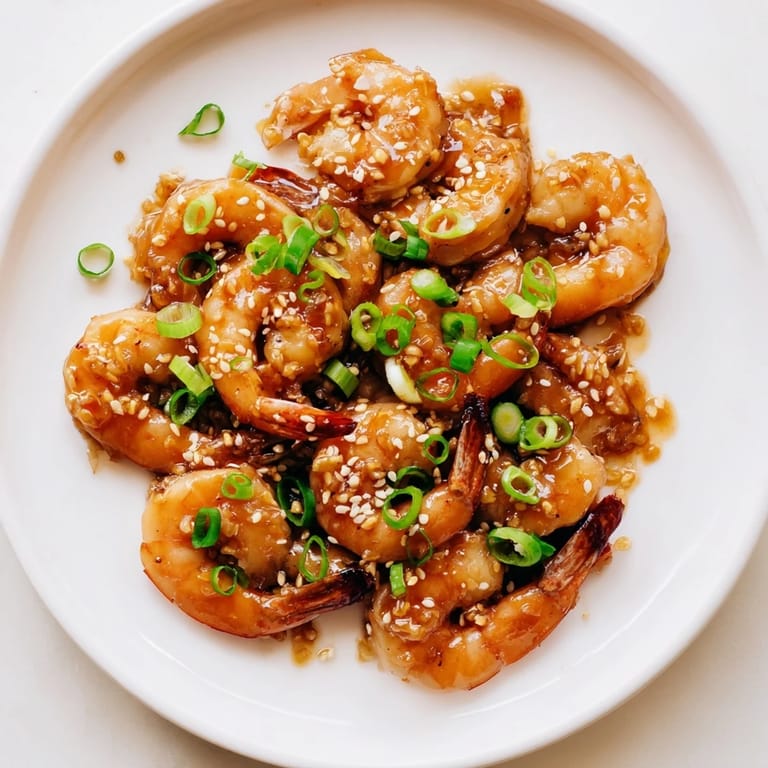
Save I remember my dad taking a bite and saying nothing for a full ten seconds, which meant everything. He's the type who'd rather have plain grilled chicken than fuss with flavors, but something about the way the honey and garlic played together made him ask for seconds. Watching someone's face when a simple dinner actually delights them is the quiet satisfaction that keeps you cooking.
Why This Sauce Works
The magic here isn't complicated. Honey brings sweetness and helps the sauce cling to the shrimp instead of just pooling at the bottom of the pan, while soy sauce adds depth and salt. Garlic and ginger do what they always do—make everything taste like you know what you're doing in the kitchen. The optional rice vinegar is the small thing that stops it from tasting cloying, and red pepper flakes are there if you want heat, but honestly the dish is lovely without them. I've made this a dozen ways, and every version tastes genuinely good because the base proportions are solid.
Serving and Pairing Ideas
Steamed rice is the obvious choice and honestly the right one, soaking up every drop of sauce, but cold noodles work beautifully too if you want something lighter. A side of snap peas or bell peppers isn't necessary but feels generous when you have them, and a crisp white wine like Sauvignon Blanc is the kind of pairing that makes a weeknight feel less rushed. You could throw in some coconut milk to make it creamy, or a splash of lime juice to make it brighter, and the dish would still hold together because the shrimp and sauce are that forgiving.
Making It Your Own
This recipe is built for flexibility, the kind of thing that invites you to tinker. Use whatever vegetables are sitting in your fridge, swap chicken or even tofu for the shrimp, adjust the heat level to your mood. I've made it with brown butter instead of vegetable oil because I had butter and no oil, and it became something entirely richer. The bones of the recipe are strong enough to hold up whatever you want to do with it, which is why I keep coming back to it.
- If you're adding vegetables, sauté them briefly before the shrimp so they're tender but still have some texture.
- Leftovers reheat beautifully over rice the next day, though honestly there are rarely leftovers.
- Fresh limes squeezed over everything at the end can brighten it up if you feel like it needs something more.
 Save
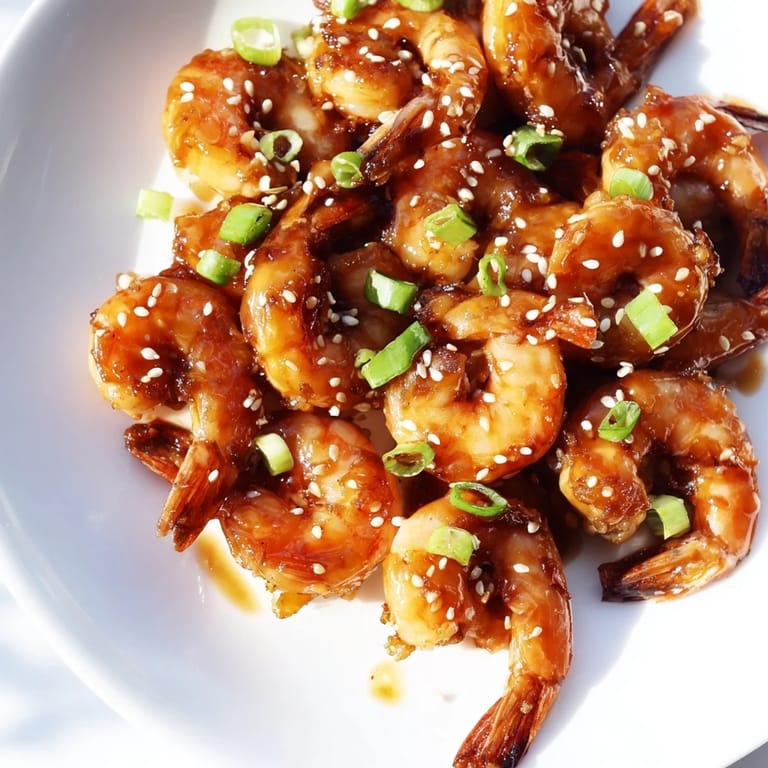
Save This dish has become my answer to the question: what's for dinner when you have no time and less energy? It tastes like you planned something special, even when you're just opening the fridge and hoping for the best.
Recipe FAQs
- → Can I use frozen shrimp for this dish?
Yes, using thawed frozen shrimp works well. Just make sure to pat them dry before cooking to avoid excess moisture.
- → What can I substitute for soy sauce?
Low-sodium tamari or coconut aminos are great alternatives, especially for gluten-free options.
- → How do I adjust the spiciness level?
Omit or reduce the crushed red pepper flakes to lower the heat; add more if you prefer extra spice.
- → Is there a recommended cooking oil?
Sesame oil adds a nice nutty aroma, but vegetable or canola oil can be used for a milder taste.
- → What side dishes pair well with this preparation?
Steamed jasmine rice, cooked noodles, or lightly sautéed vegetables complement this dish perfectly.